Leadership Vacuum at NIAID Leaves U.S. Pandemic Response Vulnerable Amidst Emerging Ebola Threats
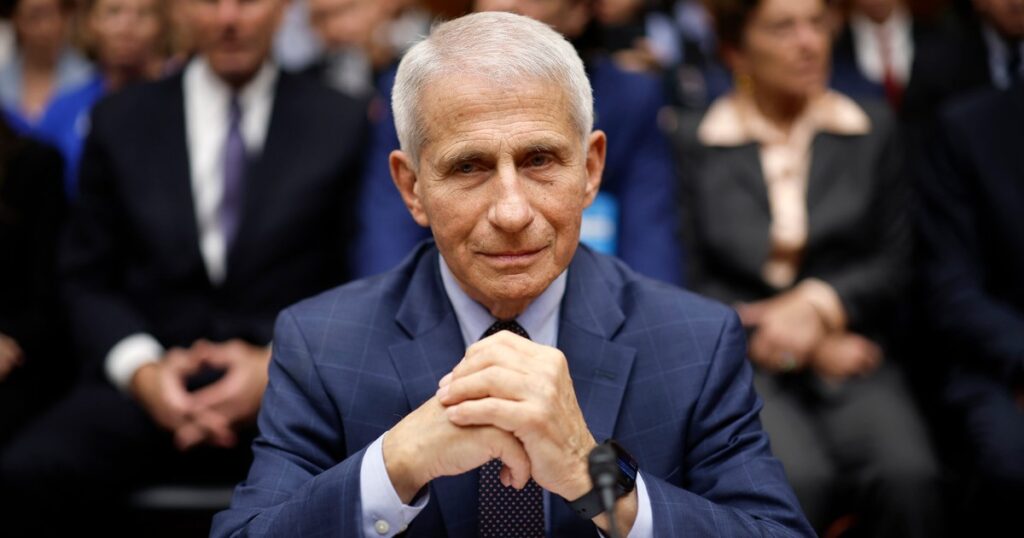
Table of Contents
A Critical Gap in Global Health Defense
The National Institute of Allergy and Infectious Diseases (NIAID), the very agency that served as the nerve center for the U.S. response to HIV/AIDS, Zika, and the COVID-19 pandemic, is currently operating without a permanent leader. This leadership vacuum comes at a precarious moment as reports of Ebola virus outbreaks emerge, threatening to destabilize regional health systems in Africa and potentially trigger a wider international crisis.
For decades, the NIAID was synonymous with Dr. Anthony Fauci, whose tenure provided a level of institutional continuity and global diplomatic leverage rarely seen in federal science agencies. In the wake of his departure, the agency has struggled to fill the void, leaving a strategic gap in the oversight of biomedical research and the rapid deployment of countermeasures. The absence of a confirmed director isn’t merely a bureaucratic hurdle; it is a functional weakness in the United States’ ability to coordinate with the World Health Organization (WHO) and the CDC during the early, volatile stages of an outbreak.
The High Stakes of Delayed Action
Ebola is not a new threat, but its volatility remains high. The virus requires an aggressive, coordinated response: rapid diagnostic deployment, the mobilization of experimental therapeutics, and the immediate scaling of vaccine distribution. Historically, the NIAID has been the primary engine for developing the viral vector vaccines that have proven effective in curbing previous outbreaks.
However, the transition from a lab setting to a field operation requires decisive administrative leadership. Without a permanent director to navigate the political frictions of budget appropriations and international treaties, the pipeline from research to implementation becomes sluggish. Public health experts warn that “staying on the sidelines” during the initial weeks of a viral surge can be the difference between a contained cluster and a global emergency.
The Institutional Memory Problem
The current state of the NIAID highlights a broader systemic risk: the over-reliance on singular, long-term figures. While Fauci’s leadership was historic, the failure to implement a seamless succession plan has left the agency in a state of administrative limbo. This has created a ripple effect across the biotechnology sector, where private-public partnerships for vaccine development often rely on stable leadership at the federal level to guarantee funding and regulatory pathways.
Industry insiders note that the lack of a clear head at the NIAID makes it difficult for biotech startups and established pharmaceutical giants to align their R&D goals with federal priorities. When the agency lacks a face and a clear strategic mandate, the incentive to pursue high-risk, high-reward pandemic preparedness research often diminishes in favor of more predictable commercial ventures.
Navigating the Path Forward
To rectify the current stagnation, the U.S. government must prioritize a confirmation process that emphasizes not only scientific pedigree but also the ability to manage complex, multi-national logistics. The challenge for the next director will be to modernize the NIAID’s response framework, moving away from a reactive model toward a proactive, surveillance-driven approach.
Until a permanent leader is installed, the agency remains in a holding pattern. In the world of infectious diseases, where pathogens evolve in hours and spread in days, a holding pattern is a dangerous place to be. The ongoing Ebola threats serve as a stark reminder that scientific capability is useless without the leadership necessary to wield it.