Leaked: Surface Pro 13 to Debut with Snapdragon X2 Elite and OLED Display
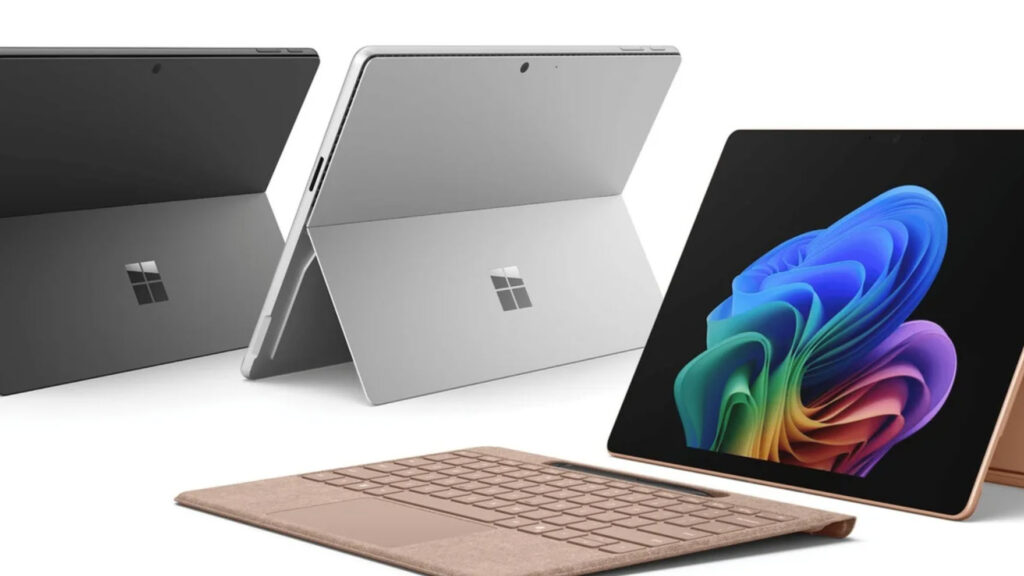
Table of Contents
The ARM Pivot Accelerates
Microsoft appears to be doubling down on its ARM-centric future. While the company has recently focused on the broader integration of AI across its ecosystem, new leaks suggest the next iteration of its flagship tablet, the Surface Pro 13, is designed specifically to showcase the capabilities of Qualcomm’s latest silicon.
According to leaked specifications, the Surface Pro 13 will be powered by the Snapdragon X2 Elite. Specifically, the leaks point toward a high-performance variant featuring 12 Prime Oryon cores. This is a strategic move by Microsoft to address the long-standing criticism of the Surface line: the trade-off between raw power and battery longevity. By leveraging the Oryon architecture, Microsoft is positioning the Pro 13 as a direct competitor to Apple’s M-series iPads and MacBooks, aiming for a level of efficiency that x86 chips have historically struggled to match in a tablet form factor.
Display and Input Evolution
The most significant hardware upgrade, however, isn’t under the hood, but on the surface. The leaks indicate that Microsoft is finally transitioning the Surface Pro 13 to an OLED display. This move follows the trend seen in the high-end smartphone and laptop markets, offering deeper blacks and significantly better contrast ratios than the existing LCD panels. This upgrade is particularly crucial for the device’s target audience—digital artists and designers using the Surface Slim Pen—who require color accuracy and high dynamic range.
Accompanying the tablet is a new peripheral: the Surface Pro 13-inch FlexKeyboard. Unlike previous type covers that functioned primarily as a physical attachment, the FlexKeyboard is rumored to support a wireless connection. This would allow users to detach the keyboard entirely while maintaining full functionality, effectively turning the Surface Pro into a standalone tablet with a remote input device, similar to how some professional designers use tablets with separate controllers.
Hardware Specifications and AI Integration
On the technical side, the device is expected to ship with 32GB of soldered LPDDR5x RAM, ensuring the system has enough headroom for memory-intensive AI workloads. Storage options are slated for 256GB, 512GB, and 1TB configurations. Crucially, while the RAM is soldered, the PCIe 3.0 SSD remains replaceable, a nod to the enthusiast community and corporate IT departments that require modularity for security and upgrades.
The integration of the Hexagon NPU is the centerpiece of the device’s AI strategy. The NPU is rated for up to 80 TOPS (Tera Operations Per Second) of compute (INT8), which is designed to handle local AI processing—such as real-time translation, background blur in video calls, and Copilot+ features—without needing to ping the cloud. To mitigate the traditional software gap associated with ARM, the device will utilize updated x86 emulation to ensure legacy Windows applications continue to run smoothly.
Connectivity and Endurance
The chassis will be streamlined with two USB-C 4.0 ports, consolidating charging, high-speed data transfer, and video output into a minimal footprint. Battery life is where the Snapdragon X2 Elite is expected to shine; leaked data suggests the device can achieve 15.5 hours of continuous video playback, a figure that would significantly outperform the Intel-based Surface Pros of previous generations.
The device is expected to launch in three distinct colorways: Black, Platinum, and a new ‘Dune’ option. If these leaks hold true, we can expect an official unveiling around June 16th, as Microsoft looks to solidify its hardware strategy heading into the second half of the year.


