Pokémon Champions Brings Stadium-Style Battling to Mobile with Full Cross-Progression
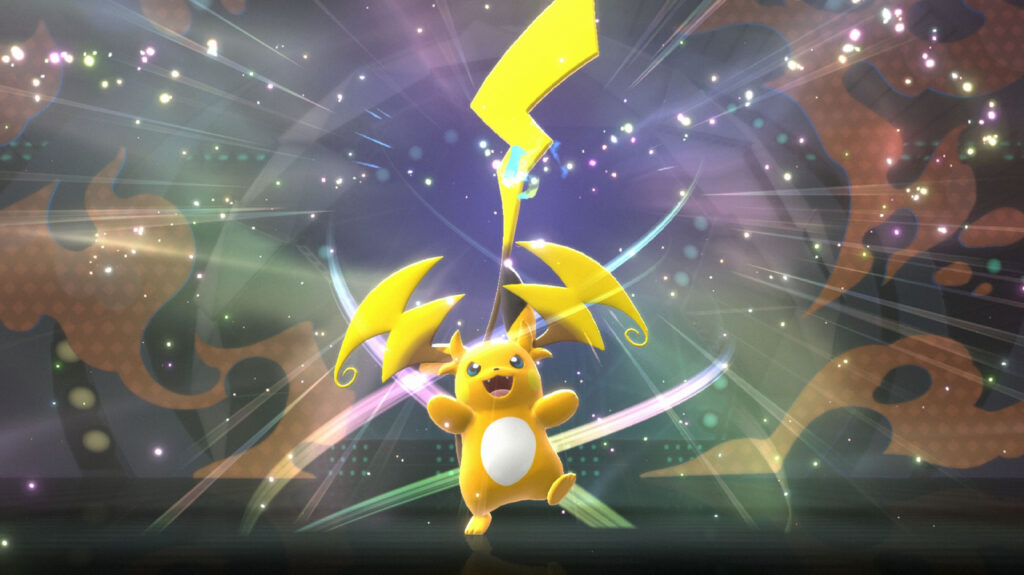
Table of Contents
A Strategic Shift to Mobile
Nintendo and The Pokémon Company are expanding the reach of their latest competitive title, announcing that Pokémon Champions will officially launch on iOS and Android on June 17. The move follows a high-profile release on the Nintendo Switch and the newly released Switch 2 this past April, signaling a coordinated effort to unify the franchise’s fragmented ecosystem across handheld consoles and mobile devices.
While many Pokémon titles remain siloed within their respective platforms, Pokémon Champions is designed as a bridge. The most significant technical hurdle for mobile ports is often the loss of progress, but Nintendo is implementing a seamless transition here. By linking a Nintendo account to the mobile application, players can migrate their save data directly from their consoles. This means the hours spent grinding for victory points or perfecting team compositions on a Switch will carry over exactly as they are, allowing for a fluid shift between home and on-the-go gaming.
Returning to the ‘Stadium’ Philosophy
Stylistically and mechanically, Pokémon Champions represents a return to form for the series, leaning heavily into the spirit of the classic Pokémon Stadium era. Unlike the sprawling open-world adventures typical of the mainline series, Champions strips away the exploration to focus exclusively on the tactical intricacies of the battle arena.
The game leverages the existing Pokémon Home infrastructure, allowing users to import their curated teams from previous generational titles and Pokémon Go. This integration transforms the game into a definitive competitive hub where a Pokémon caught in a different game entirely can be deployed into ranked matches. For those starting fresh, the game includes its own recruitment systems to build a roster from scratch.
The gameplay loop centers on a tiered reward system. Victory points earned through ranked battles and casual matches are the primary currency, used not just for cosmetic upgrades, but for the critical task of stat-boosting and move-set optimization. This adds a layer of RPG depth to what is essentially a digital combat sport, ensuring that the meta-game evolves as players experiment with different builds.
Incentivizing the Mobile Transition
To drive adoption during the launch window, the developers are offering a high-value incentive for early adopters. Any player who logs into the mobile version between June 16 and September 1 will receive a Raichu for free. However, the real draw for competitive players is the inclusion of two specific mega stones.
These items allow Raichu to evolve into either Mega Raichu X or Mega Raichu Y, introducing a level of versatility to the Pokémon’s role in a team. Given the competitive nature of the ranked lobbies, providing these powerful variants as a login bonus is a clear attempt to swell the player base and ensure the matchmaking queues remain populated and fast.
Beyond the solo experience, the game supports private lobbies and large-scale online competitions, effectively mirroring the structure of modern eSports titles. By bringing this functionality to iOS and Android, Nintendo is not just porting a game; they are attempting to create a persistent, cross-platform competitive community that exists independently of the hardware used to access it.