Google’s Smart Display Stagnation: Why the Nest Hub Gen 2 is a Risky Bet in 2026
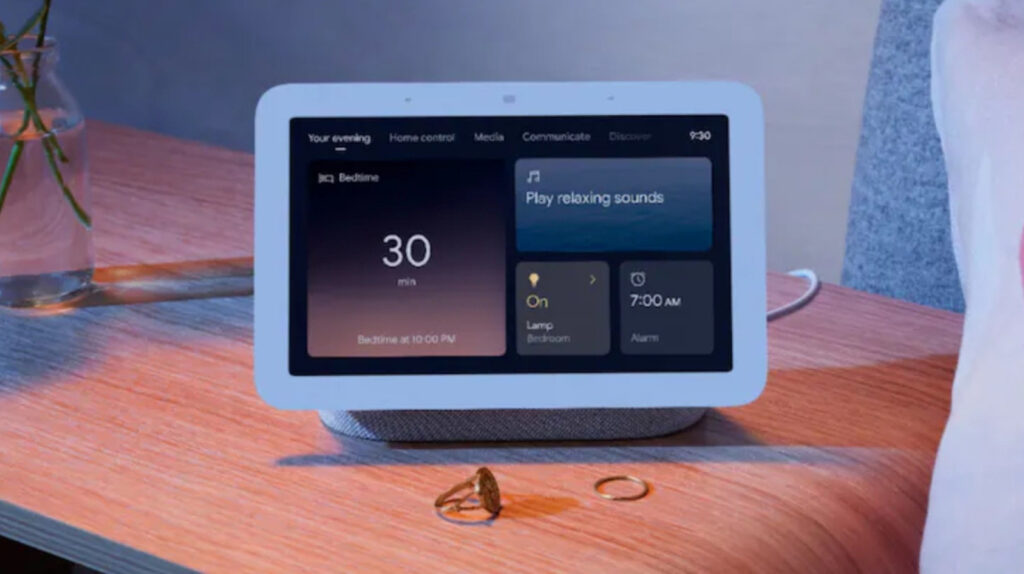
Table of Contents
The Hardware Gap in the AI Era
The Google Nest Hub (2nd Gen) has become a curious artifact of the smart home era. Launched in March 2021, the device was designed for a world of simple timers and basic voice queries. But as we move through 2026, the gap between the device’s modest internals and the demands of Google’s Gemini AI ecosystem has become impossible to ignore.
While the Hub remains a capable piece of kit for streaming YouTube or acting as a digital photo frame, it is increasingly clear that the hardware is struggling to keep pace with the software. Gemini, Google’s generative AI, is designed to handle complex, multi-step reasoning and nuanced conversations—tasks that require significantly more computational overhead than the legacy Google Assistant. While Gemini is technically compatible with the Nest Hub lineup, the resulting experience often feels sluggish, characterized by noticeable latency and a lack of the fluid responsiveness found in newer mobile devices or dedicated AI hardware.
Leaked Code and the ‘Google Home Display’
The timing for buying a Nest Hub Gen 2 is particularly precarious given recent evidence of a successor. In May 2026, code discovered within a Google Home app update pointed toward the existence of a “Google Home Display.” This isn’t just a minor iterative update; industry analysts suggest Google is preparing a complete overhaul of its home hardware to better align with its AI-first strategy.
The current Nest Hub’s processor and RAM were sufficient for 2021’s needs, but a dedicated Gemini-powered display likely requires a modernized SoC (System on a Chip) and expanded memory to handle on-device processing. If the rumors hold, the upcoming Google Home Display will likely bridge the gap between a simple screen and a proactive AI agent, making the 2021 hardware feel like a legacy relic almost overnight.
The Price of Patience
Despite the looming threat of new hardware, the Nest Hub (2nd Gen) continues to retail at its original $100 launch price at many major outlets. From an editorial perspective, paying full price for a five-year-old piece of technology is difficult to justify, especially when the device lacks the vibrant OLED panels or high-refresh rates common in 2026’s consumer electronics.
For those who cannot wait for a new release, the secondary market has become the only logical place to look. Power users on platforms like Reddit have frequently cited eBay as the primary source for deep discounts on both the standard Nest Hub and the larger Nest Hub Max. At a fraction of the retail cost, the Hub is an excellent bedside clock and a reliable controller for Matter-compatible devices, but at $100, the value proposition has evaporated.
Reliability vs. Relevance
To be fair to Google, the Nest Hub’s longevity is a testament to its build quality. Many users report that their Gen 2 units are still functioning perfectly, maintaining a stable connection to the Google Home ecosystem and serving as an effective hub for security camera feeds. This “if it isn’t broken, don’t fix it” philosophy has served Google well in terms of reliability, but it has left them vulnerable to competitors who are integrating AI more aggressively into the physical layer of the home.
Ultimately, the Nest Hub (2nd Gen) is no longer a forward-looking purchase. It is a utility device for those with basic needs who happen to find it on a steep clearance sale. For anyone wanting a glimpse of what a truly AI-integrated home looks like, the smartest move is to wait for the official unveiling of the next-generation Google Home Display.