Google is Giving Users a Way to Fight the Algorithm with ‘Preferred Sources’
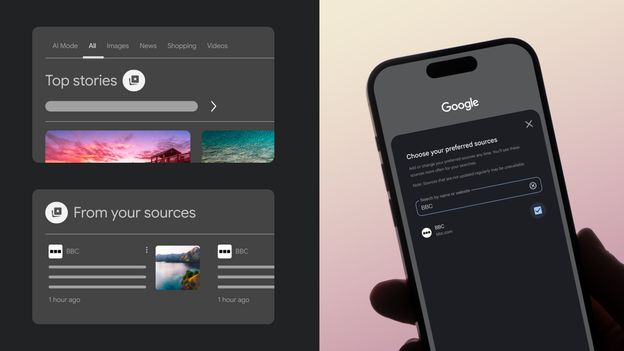
Table of Contents
A Manual Override for the Search Era
For years, the relationship between users and Google Search has been a one-way street: the algorithm decides what is relevant, and the user consumes the result. However, as AI-generated summaries and an increasingly complex web of SEO-optimized content begin to crowd the top of the page, the ‘trust’ factor in search has become a point of friction. In a subtle but significant shift toward user agency, Google is rolling out a feature called Preferred Sources.
The tool allows users to explicitly tell Google which publishers they trust most. By selecting specific domains—such as the BBC, Reuters, or niche technical publications—users can ensure that content from these entities is prioritized within their search experience. It is an admission that while Google’s ranking signals are powerful, they aren’t always aligned with a user’s personal standard for credibility.
Where Preferred Sources Actually Appear
It is important to note that Preferred Sources is not a total replacement for the global search algorithm. You won’t suddenly see your favorite blog replace the official documentation for a software update. Instead, the influence is most visible within the Top Stories carousel and the dynamic “from your sources” section.
When a user searches for a breaking news event or a trending topic, Google traditionally uses a mix of freshness, authority, and engagement metrics to populate the Top Stories block. With Preferred Sources enabled, the algorithm injects a personal layer of weighting. If you have marked a specific news organization as preferred, Google is significantly more likely to surface their coverage of that event, effectively creating a personalized news feed embedded within a general search query.
The Battle Against AI Noise
The timing of this rollout is not coincidental. The introduction of AI Overviews (SGE) has fundamentally changed how users interact with the SERP (Search Engine Results Page). While AI summaries provide quick answers, they often obscure the primary sources or lead users toward aggregated content that lacks the depth of original reporting. By allowing users to whitelist trusted publishers, Google is attempting to mitigate the “hallucination” and noise problem by letting the user define their own truth-baseline.
From a strategic standpoint, this also signals a shift in how Google manages its relationship with publishers. In an era where AI is poaching clicks by answering questions directly on the search page, giving publishers a direct line to their most loyal readers is a small olive branch to the media industry.
Setting Up Your Preferences
Adding a source to your list can be done through two primary methods. The most direct route is through the Google account settings menu, where users can browse and tick boxes for verified publications. This is a global setting that applies across all devices signed into the same account.
Alternatively, Google has integrated a more reactive discovery method. When performing a search, users will notice a starred card icon next to the Top Stories heading. Clicking this icon allows users to instantly mark a publisher appearing in that section as a Preferred Source. Once selected, the page can be reloaded to immediately reflect the updated prioritization, affecting all future searches related to that entity or topic.
This granular control suggests that Google is moving away from a “one size fits all” index toward a more fragmented, identity-based search experience—one where the results you see are as much a reflection of your chosen trusts as they are of the algorithm’s logic.