How The Witcher 3 Defined the Modern Open World and Still Holds Up in the Next-Gen Era
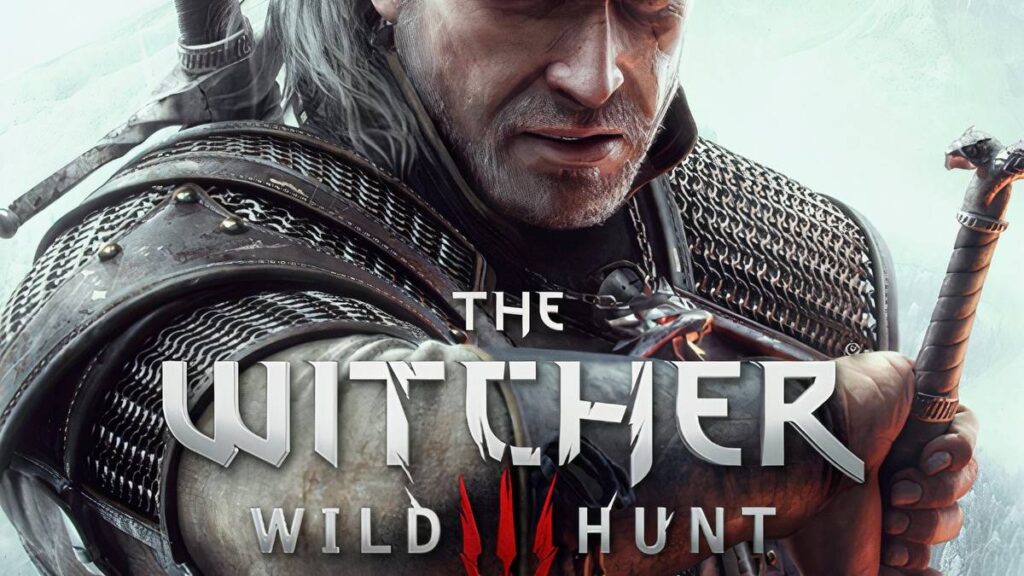
Table of Contents
The Blueprint for Modern Quest Design
When CD Projekt Red released The Witcher 3: Wild Hunt in 2015, it didn’t just launch a successful RPG; it fundamentally altered the expectations for how stories are told in expansive digital environments. Before Geralt of Rivia’s journey to find Ciri became a global phenomenon, ‘open world’ often meant a sprawling map littered with repetitive ‘fetch quests’ and mindless checklists. The Witcher 3 broke that cycle by treating side content with the same narrative weight as the main plot.
The genius of the game lies in its refusal to treat the player like a tourist. Every contract Geralt takes—from hunting a noonwraith in the fields of Velen to investigating a haunting in Novigrad—is woven into the socio-political fabric of the world. The game’s insistence on moral ambiguity ensures that choices aren’t binary ‘good’ or ‘evil’ toggles, but rather difficult decisions with cascading consequences that can alter the fate of entire villages hours after the initial interaction.
Technical Scaling Across Generations
The game’s longevity is further evidenced by its aggressive portability and scalability. While it debuted on the PlayStation 4 and Xbox One, its successful migration to the Nintendo Switch demonstrated the impressive optimization of its engine. However, the true technical evolution arrived with the next-gen update for PlayStation 5 and Xbox Series X. These versions didn’t just bump the resolution; they introduced ray-traced global illumination and faster loading times, breathing new life into the war-torn Continent.
From a technical perspective, the integration of mutagenic potions and combat magic provided a depth of build-crafting that many modern titles still struggle to replicate. The synergy between alchemy, swordplay, and ‘signs’ (basic magic) requires a level of tactical preparation—reading a bestiary, preparing specific oils—that rewards player knowledge over simple reflex.
Beyond the Combat: A World of Texture
While the combat is a central pillar, the game’s true achievement is its atmospheric world-building. The contrast between the bleak, mud-caked swamps of Velen and the vibrant, bustling streets of Novigrad creates a sense of place that feels lived-in rather than rendered. The inclusion of Gwent—a collectible card game within the game—became an unplanned cultural touchstone, proving that players crave deep, systemic hobbies within their virtual worlds.
Even years after its release, The Witcher 3 serves as a benchmark for the industry. Its influence can be seen in the narrative density of subsequent titles and the shift toward ‘meaningful’ exploration. By blending high-fantasy tropes with gritty, grounded realism, CD Projekt Red created a template for the ‘mature’ RPG—one where the monster isn’t always the creature in the woods, but often the corrupt royalty or treasonous generals hiding in plain sight.
Despite a few mechanical clunkiness issues in the movement and camera system—artifacts of its 2015 design—the game remains a towering achievement in software engineering and digital storytelling. It is a rare example of a title that didn’t just lead its genre but redefined it for a decade.


