Samsung Pushes Resolution Boundaries with New 6K Odyssey G8 and Thunderbolt 5 Integration
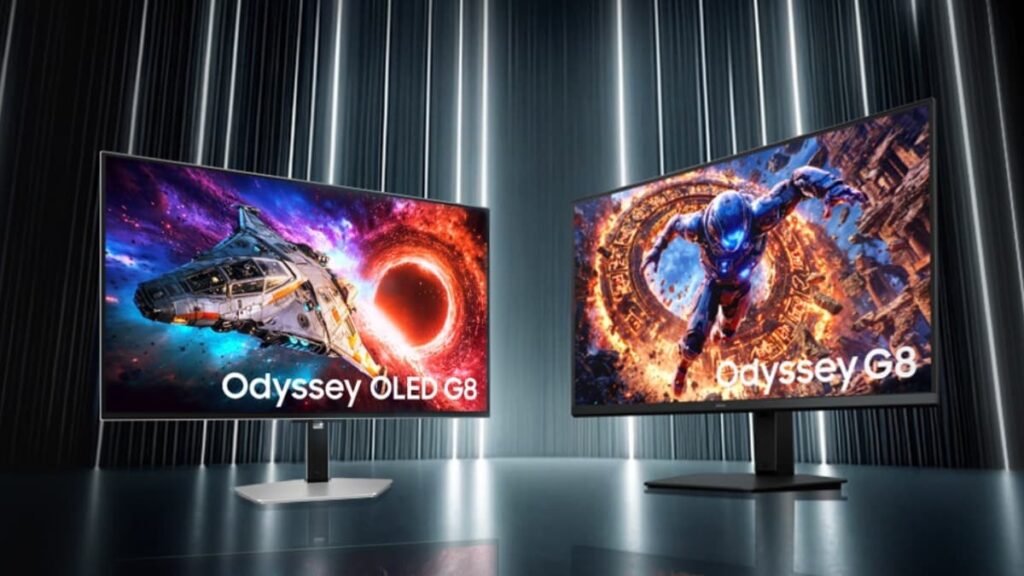
Table of Contents
The Push for 6K Pixel Density
Samsung is making a calculated bet that gamers and power users are ready to move beyond 4K. The centerpiece of the company’s updated 2026 display roadmap is the Odyssey G8 G80HS (LS32HG806), a 32-inch behemoth sporting a 6K resolution. While 4K has been the gold standard for high-end gaming for years, the jump to 6K offers a significant leap in pixel density, reducing the screen-door effect and providing a sharper image that bridges the gap between gaming performance and professional color accuracy.
The G80HS isn’t just about resolution; it maintains a 165Hz refresh rate, ensuring that the increased pixel load doesn’t result in sluggish motion. In South Korea, the unit is listed at KRW 1,757,700 (approximately $1,300), positioning it as a premium tier product designed for those with the GPU overhead—likely NVIDIA’s upcoming Blackwell architecture or AMD’s latest equivalents—to actually drive that many pixels at high frames.
Diversifying the Odyssey OLED Lineup
Beyond the 6K flagship, Samsung is refining its OLED strategy to capture a broader range of the enthusiast market. The new Odyssey OLED G8 (LS32HG802S) sticks to a 4K resolution but pushes the speed limit further with a 240Hz refresh rate. This specific configuration targets the competitive eSports crowd who want the infinite contrast of OLED without sacrificing the millisecond-level responsiveness required for fast-paced shooters.
For those who find the G8 too aggressive in price or specs, the Odyssey OLED G7 (LS32HG732S) enters the fray. This model offers 4K resolution at 165Hz and is priced more conservatively at KRW 1,292,000. The distinction between the G7 and G8 in this generation seems to be primarily centered on refresh rate and peak brightness tuning, allowing users to choose based on whether they prioritize raw speed or visual fidelity.
Connectivity Overhauls and Professional Utility
Perhaps more important than the raw specs is the inclusion of DisplayPort 2.1 and Thunderbolt 5 support across the high-end range. For years, the industry has been bottlenecked by DisplayPort 1.4a, which often required Display Stream Compression (DSC) to hit high resolutions and refresh rates simultaneously. The move to DP 2.1 suggests that Samsung is preparing for a future where uncompressed, high-bandwidth data transmission is the norm.
Parallel to the gaming push, Samsung updated the ViewFinity S8 series. These monitors are designed for the ‘prosumer’—architects, video editors, and coders who need the color accuracy of a professional studio but the ergonomics of a home office. The S8 updates focus on better calibration and refined connectivity, ensuring these panels play well with the latest Mac and PC workstations utilizing Thunderbolt 5 for single-cable docking solutions.
The Market Positioning
Samsung’s tiered pricing strategy in the Korean market provides a clear map of where these products sit. The G80HF (LS27HG806), a 5K 180Hz variant, sits at KRW 1,130,000, filling the gap for users who prefer a smaller 27-inch form factor but still want a resolution higher than standard 1440p.
By launching a 6K option alongside refined 4K OLEDs and a professional S8 line, Samsung is attempting to insulate itself against competitors like LG and Dell. While the 6K G8 is the headline grabber, the real story is the integration of next-gen connectivity standards, signaling that the hardware is finally catching up to the demands of ultra-high-resolution gaming.