The T1 Debuts: Inside the Chaotic Launch of Trump Mobile’s First Device
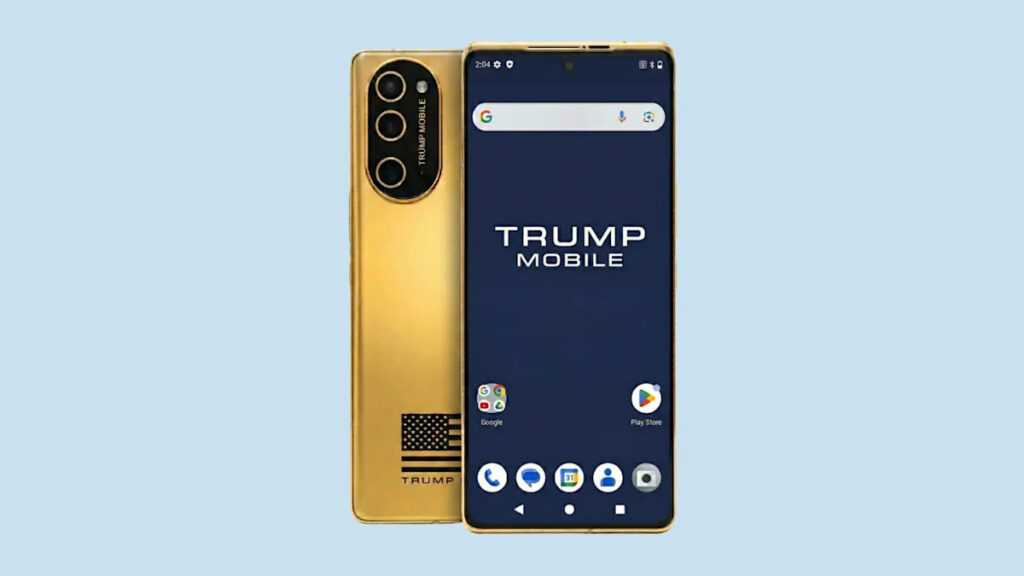
Table of Contents
A Turbulent Arrival
After nearly a year of delays and opaque communication, the T1—the flagship device from the Trump Organization’s wireless venture, Trump Mobile—has finally begun appearing in the wild. First announced in June 2025 with an intended August release, the device’s path to market has been characterized by shifting specifications and a rollout that feels more like a beta test than a commercial launch.
While the marketing emphasizes a patriotic ethos, early hands-on reviews and technical teardowns suggest a more utilitarian reality: the T1 appears to be a strategic rebranding of existing hardware rather than a ground-up innovation.
The HTC Connection
The most pressing question for tech analysts has been the origin of the T1’s hardware. While the device is positioned as a unique offering, evidence suggests it is a rebranded HTC U24 Pro. The U24 Pro, which never saw an official U.S. release but remains available via importers, shares nearly identical technical specifications with the T1.
Analysis by NBC News and other early adopters highlights that the hardware footprint, internal components, and broader chassis are virtually indistinguishable from the HTC model. The only notable deviations are cosmetic, specifically the arrangement of the rear camera lenses and flash placement. This raises significant questions regarding the value proposition of the T1, which is currently retailing at a promotional price of $499—a figure that rivals or exceeds the cost of the original HTC hardware it is based upon.
The ‘Made in America’ Paradox
Perhaps the most contentious aspect of the T1 launch is the company’s shifting narrative on domestic production. Early marketing explicitly claimed the phone would be ‘Made in America.’ As the launch neared, the language on the Trump Mobile website was quietly edited to ‘American-proud design,’ and eventually to the more ambiguous ‘Proudly American.’
The physical packaging of the device claims it is ‘proudly assembled in the USA,’ a claim that complicates the HTC theory, as the U24 Pro was manufactured in Taiwan. In a statement to USA Today, Trump Mobile CEO Pat O’Brien asserted that the first batch of T1 phones were assembled domestically and that future models would prioritize American components. However, industry experts note that domestic smartphone assembly is an immense hurdle; currently, only a few niche players like Purism offer truly domestically constructed devices, typically at a much higher price point than the T1.
Security Failures and a Flag Flaw
The launch has been further marred by a significant cybersecurity lapse. TechCrunch reported that Trump Mobile inadvertently exposed sensitive customer data on the web, including names, email addresses, mailing addresses, and order identifiers. The breach was brought to light after independent researchers alerted high-profile commentators, including Coffeezilla and penguinz0, that their personal information had been leaked.
Trump Mobile eventually confirmed the leak, stating that their third-party platform provider has since implemented ‘additional safeguards.’ While the company claims the vulnerability has been patched, the incident serves as a stark reminder of the risks associated with rapid-deployment e-commerce platforms.
Beyond the digital vulnerabilities, the T1 has faced ridicule for a glaring aesthetic error: the American flag logo on the back of the device features only 11 stripes, rather than the 13 that represent the original colonies. While some observers suggest the ‘Trump Mobile’ branding beneath the flag is meant to visually compensate for the missing stripes, the error remains a poignant irony for a product leaning so heavily on nationalistic branding.
Software and Availability
On the software side, the T1 ships with Android 15. The most significant customization is the preloading of Truth Social, ensuring that the President’s preferred social network is the primary digital gateway for the user.
Despite the ‘shipping’ status, the customer experience remains fragmented. New orders on the official website currently default to a waiting list, even after a $100 down payment is collected. While some media outlets report receiving ‘expedited’ units, the general consumer rollout appears to be lagging, leaving many early adopters in a state of digital limbo.