Google Unveils ‘Googlebook’: A New AI-First Hardware Category Aiming to Replace the Chromebook Era
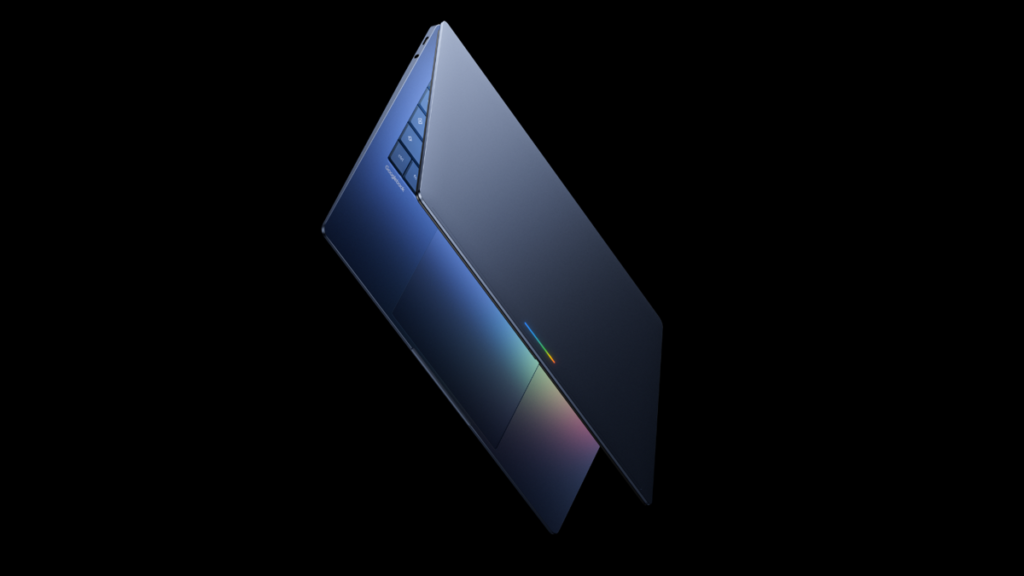
Table of Contents
A Pivot From Cloud-First to Intelligence-First
Google is attempting to redefine the laptop category. During the Android Show: I/O Edition on Tuesday, the company unveiled the Googlebook, a new line of hardware that represents a fundamental shift in how Google views personal computing. If the original Chromebook was built for a cloud-first world, the Googlebook is being positioned as the first machine built specifically for an “intelligence system.”
The move is a clear shot across the bow of Microsoft’s Copilot+ PC initiative. While Google has spent the last few years sprinkling Gemini features into ChromeOS, the Googlebook suggests that the existing operating system wasn’t flexible enough to support the level of AI integration Google envisions. According to Alex Kuscher, Senior Director at Google, the company is moving beyond the traditional OS model to create a platform where AI is the primary layer of interaction, rather than just a side-panel assistant.
The ‘Project Aluminum’ Mystery
The most significant technical revelation isn’t the hardware itself, but what’s running under the hood. Google has avoided confirming whether these devices use ChromeOS. Instead, Kuscher described the software as a “modern OS designed for Intelligence.” This almost certainly confirms the long-rumored Project Aluminum, a strategic merger of the Android and ChromeOS kernels.
By unifying these two environments, Google can solve the long-standing friction of Android app compatibility on laptops. While Googlebooks will run Android apps, the integration appears deeper than the current “containerized” approach used in Chromebooks. This unified OS would allow for a more seamless transition between mobile and desktop workflows, essentially turning the laptop into a scaled-up version of a high-end tablet with a fully functional keyboard and desktop-class processing power.
Gemini-Driven Interaction: The Magic Pointer
To differentiate the Googlebook from a standard Windows or Mac laptop, Google is introducing several AI-native interaction patterns. The standout feature is the “Magic Pointer,” a cursor that utilizes Gemini’s multimodal capabilities to understand on-screen content in real-time. Rather than just clicking and dragging, users can “wiggle” the cursor over a piece of data—such as a date in an email—to trigger an automatic calendar invite, or select two disparate images to have Gemini visualize them in a single combined scene.
Beyond the cursor, the OS will feature a prompt-based widget creator. Instead of choosing from a preset list of clocks or weather apps, users can describe the specific functionality they want via Gemini, and the system will generate a custom, functional widget on the fly.
Hardware Partnerships and Market Positioning
Google isn’t building these alone. The company confirmed that the first wave of Googlebooks will be manufactured by a consortium of longtime partners, including Acer, Asus, Dell, HP, and Lenovo. While specific benchmarks and CPU specs remain under wraps, Google’s description of a “Featherweight Design with Heavyweight Power” suggests a focus on the ultraportable, premium segment—likely competing with the MacBook Air and the XPS 13.
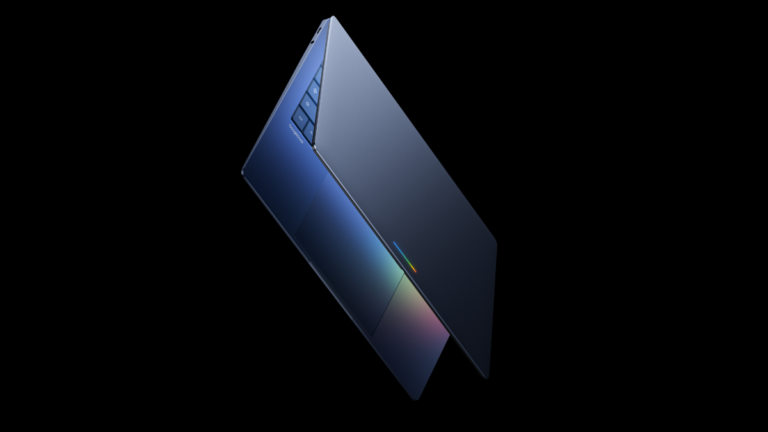
Visually, the devices will be distinguished by a “glowbar” lightstrip on the lid, a design choice that signals the device’s AI-active status.
The pricing strategy remains the biggest question mark. Chromebooks carved out a niche by being aggressively affordable, but the Googlebook is clearly targeting a higher tier. Given the “premium craftsmanship” mentioned in the announcement, it is unlikely these will start at the $299 price point of education-focused Chromebooks. Instead, they will likely enter the $750 to $1,200 range, placing them in direct competition with the high-end AI PCs currently flooding the market.
The first Googlebook models are expected to ship in the fall of 2026.