Honor Magic 9 Leaks Suggest a Pivot Toward Compact Flagships and Battery Endurance
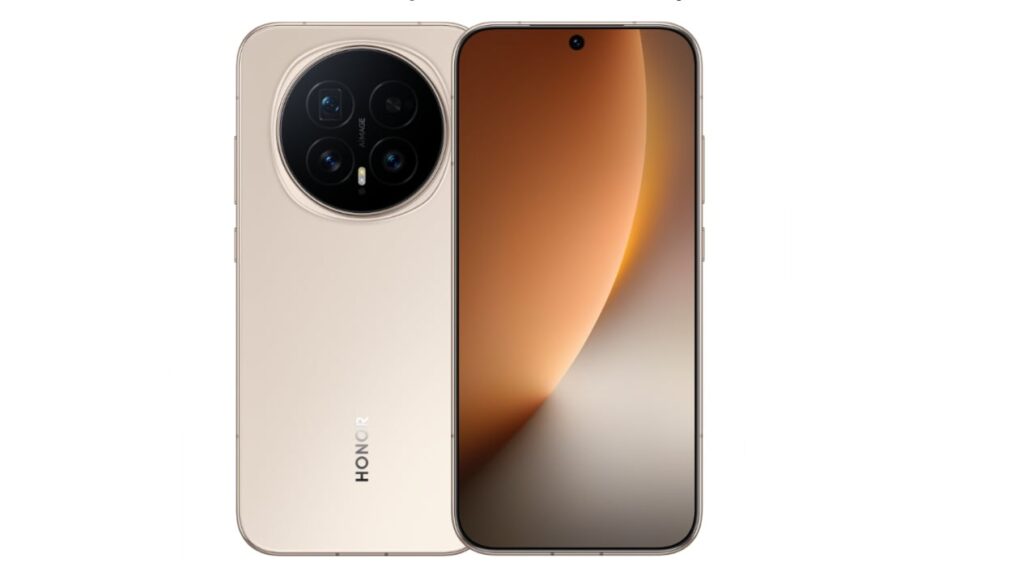
Table of Contents
The Shift Toward Small-Screen Flagships
For years, the ‘ultra-flagship’ trend has pushed smartphone screens toward a chunky 6.7 or 6.8-inch standard, often leaving users who prefer one-handed usability with mid-range options or specialized ‘mini’ versions. However, recent leaks regarding the upcoming Honor Magic 9 suggest the company is leaning into the growing demand for high-performance compacts.
According to new details shared by Weibo tipster Digital Chat Station, Honor is currently testing an engineering sample of the standard Magic 9 featuring a 6.36-inch display. While the post didn’t explicitly name the device, industry context and community corroboration point directly to the Magic 9. This sizing would represent a strategic pivot, positioning the base model as a dense powerhouse rather than just a ‘cheaper’ alternative to the Pro and RSR models.
The Chipset Controversy: Gen 5 or Gen 6?
The most contentious point of the current leak involves the silicon. Digital Chat Station claims the Honor Magic 9 is being equipped with a 3nm Snapdragon 8 Elite Gen 5 processor. This has sparked a debate among hardware analysts, as earlier rumors suggested that the Magic 9 series would be among the first to debut the next-generation Snapdragon 8 Elite Gen 6.
If the Gen 5 claims hold true, it implies that Honor is prioritizing stability and thermal management over the raw, unproven benchmarks of a newer chip. Given that the previous Honor Magic 8 already leveraged the Gen 5 architecture, a repeat of the chipset would be unusual for a flagship refresh. However, Qualcomm’s current roadmap for the ‘Elite’ branding has been fluid, and the distinction between these iterations often comes down to clock speed bins and efficiency tweaks rather than a total architectural overhaul.
Battery Density and the 8,000mAh Claim
Perhaps the most striking detail emerging from the Chinese supply chain is the mention of a massive 8,000mAh battery. In a device with a 6.36-inch screen, such a capacity would be an industry-leading achievement in energy density. This likely points toward Honor’s continued investment in silicon-carbon battery technology, which allows for higher capacities in smaller volumes compared to traditional lithium-ion cells.
Achieving 8,000mAh in a compact chassis would solve the primary weakness of small phones: the compromise on endurance. If Honor can maintain a slim profile while housing this capacity, it would put significant pressure on competitors like Samsung and Apple, who have struggled to balance size and longevity in their base flagship models.
Positioning the Magic 9 Lineup
While the current focus is on the standard model, the Magic 9 series is expected to follow Honor’s established tiered strategy. The lineup will likely consist of the base Magic 9, a Magic 9 Pro with enhanced camera optics, and the Magic 9 RSR—the luxury-tier variant that typically features the most aggressive design choices and highest specs.
By diversifying the screen sizes within the series, Honor is effectively hedging its bets. The standard model targets the ‘compact power user,’ while the Pro and RSR cater to the media-consumption and photography crowds. Whether the chipset is a refined Gen 5 or a bleeding-edge Gen 6, the combination of a small footprint and a mammoth battery could make the Magic 9 the most disruptive entry in Honor’s portfolio this year.