American Airlines Bets on Starlink for 500+ Airbus Jets in Major Connectivity Push
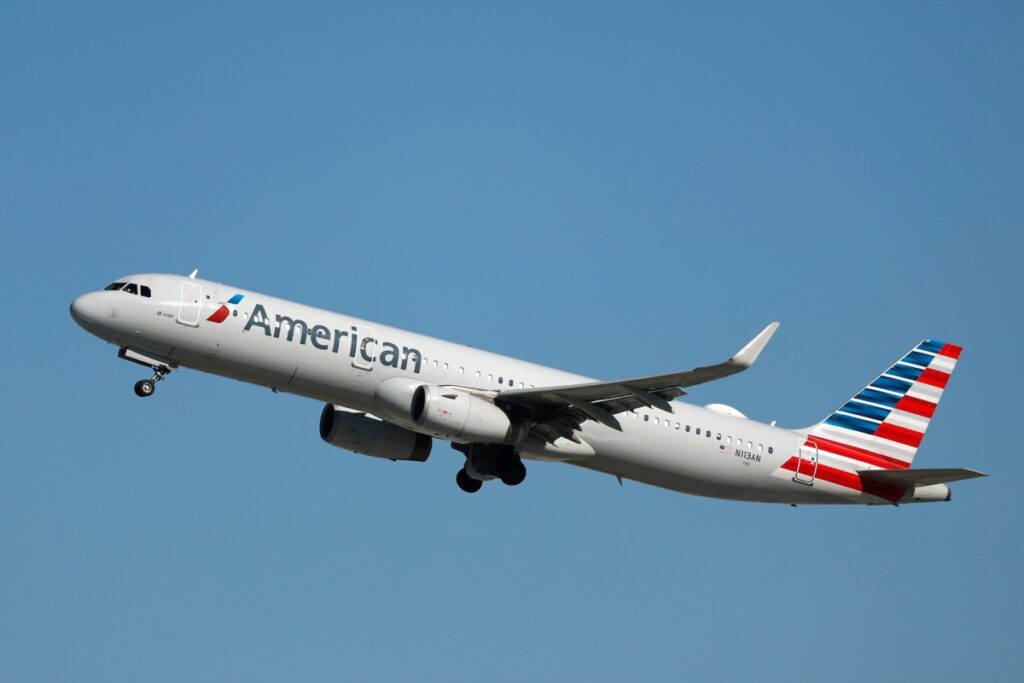
Table of Contents
A Strategic Pivot to Low Earth Orbit
American Airlines announced Tuesday a comprehensive plan to overhaul its in-flight connectivity by installing Starlink hardware across more than 500 narrow-body Airbus aircraft. The rollout, scheduled to begin early next year, represents one of the most aggressive deployments of Low Earth Orbit (LEO) satellite technology in the commercial aviation sector to date.
While the airline has historically relied on a mix of legacy satellite providers and air-to-ground networks, the move to Starlink reflects a broader industry trend: the pursuit of “home-like” internet speeds at 35,000 feet. Unlike traditional geostationary (GEO) satellites that orbit at roughly 22,000 miles, Starlink’s constellation operates significantly closer to Earth. This drastic reduction in distance minimizes latency, allowing passengers to stream high-definition video and participate in video calls—tasks that have traditionally been nearly impossible or painfully slow on aircraft.
The Fleet Breakdown: Airbus vs. Boeing
The deployment is not universal across American’s entire fleet. The agreement specifically targets the airline’s narrow-body Airbus assets, including the new A321XLR and A320neo aircraft. Notably, Boeing aircraft are excluded from this specific agreement. This hardware distinction is critical, as installing satellite antennas requires precise structural modifications to the aircraft’s fuselage to ensure aerodynamic efficiency and signal integrity.
By focusing on the A321XLR—a long-range narrow-body jet designed to open new transatlantic and long-haul routes—American Airlines is positioning itself to offer a competitive edge on routes where high-speed connectivity is often the primary differentiator for premium travelers.
The Revenue Engine for a Looming IPO
For SpaceX, the American Airlines deal is more than just a successful vendor contract; it is a critical piece of financial evidence for investors. As SpaceX prepares for a highly anticipated IPO projected for next month, Starlink has emerged as the company’s most scalable revenue generator. While the Falcon 9 and Starship programs command the headlines, the recurring revenue from satellite subscriptions—both consumer and enterprise—provides the predictable cash flow that public markets crave.
The momentum is building. According to recent IPO registration filings, Starlink has already secured a formidable roster of aviation partners, including United Airlines, Southwest, Qatar Airways, and the Lufthansa Group. The addition of American Airlines further cements SpaceX’s dominance in the aviation connectivity space, creating a high barrier to entry for competitors.
Crowding Out the Competition
The deal puts significant pressure on rival LEO projects, most notably Amazon’s Project Kuiper. While Amazon possesses the capital and the cloud infrastructure (AWS) to potentially bundle connectivity with enterprise services, SpaceX has the first-mover advantage. Starlink’s satellites are already in orbit and operational, whereas Kuiper is still in the deployment phase.
Legacy providers like Viasat and Intelsat, who dominated the GEO era of aviation Wi-Fi, now find themselves playing catch-up. These companies are attempting to launch their own LEO constellations or hybrid solutions, but the speed of Starlink’s adoption by major carriers suggests that the window for a “legacy’ comeback” is closing.
As American Airlines begins the installation process next year, the success of the rollout will likely serve as a bellwether for the rest of the industry. If the A321XLR fleet can maintain stable, high-bandwidth connections across a diverse global footprint, the pressure for other carriers to abandon legacy GEO systems will become irresistible.


