WHO Warns of ‘Rapidly Spreading’ Ebola Outbreak in DRC; Response Hampered by Lack of Vaccines
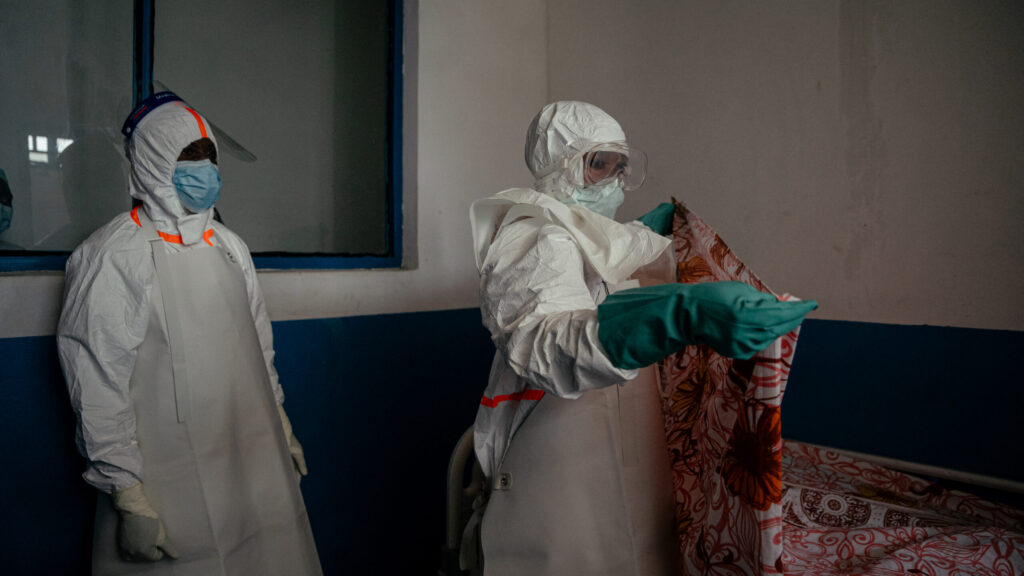
Table of Contents
A Crisis in Ituri
The World Health Organization (WHO) has issued a stark warning as an Ebola outbreak in the Ituri province of the Democratic Republic of the Congo (DRC) escalates with alarming speed. In a recent press briefing, officials revealed that cases have climbed toward 750, with 177 confirmed deaths and approximately 1,400 contacts currently under surveillance. Despite only being officially reported on May 15, the scale of the transmission has already positioned this as the third-largest outbreak on record.
WHO Director-General Tedros Adhanom Ghebreyesus characterized the situation as “spreading rapidly,” leading the organization to upgrade the national risk level from “high” to “very high.” While the regional risk remains high, the global risk is currently categorized as low.
The Detection Gap
The severity of the current situation is partly attributed to a critical delay in detection. Dr. Anne Ancia, a WHO representative on the ground in the DRC, noted that by the time international teams arrived, the virus had been “silently disseminating” for weeks. The earliest suspected case traces back to a health worker in Bunia, the capital of Ituri, who developed symptoms on April 24.
The WHO did not receive notification of the potential outbreak until May 5, following a cluster of deaths among four healthcare providers. By the time a response team was deployed, the virus had already claimed a foothold with 80 active cases. “Now we are sprinting behind the virus,” Dr. Ancia stated, noting that case numbers are expected to rise until full response operations are operational.
A Rare Strain and Logistical Hurdles
Unlike more common Ebola outbreaks, this surge is driven by the uncommon Bundibugyo virus. This distinction creates a massive technical hurdle for medical teams: there are currently no established vaccines or therapeutics specifically for this strain. Consequently, health officials are forced to rely on traditional, labor-intensive methods—active case finding, strict isolation, and aggressive contact tracing—to break the chain of transmission.
These efforts are further complicated by the volatile environment of the Ituri province. The region is currently plagued by armed conflict and high population mobility, paired with a fragile health infrastructure and widespread food insecurity, making the implementation of quarantine and treatment protocols exceptionally difficult.
The Global Response Vacuum
The crisis has reignited a fierce debate regarding the United States’ role in global health security. Public health experts, including Brown University professor and emergency physician Craig Spencer, have pointed to a significant decline in U.S. leadership in the region. Spencer, who contracted Ebola in 2014 while working with Doctors Without Borders, argued that the U.S. has effectively abdicated its role in humanitarian response.
Reporting suggests that the delay in detecting the current outbreak was exacerbated by a logistical failure: patient samples were reportedly transported to a national laboratory in Kinshasa at incorrect temperatures. This specific logistical chain had previously been managed by the U.S. Agency for International Development (USAID). Former USAID deputy director Megan Fotheringham noted that had the agency’s previous capacity remained intact, stockpiles of critical personal protective equipment (PPE)—such as respirators and impermeable coveralls—could have been delivered within hours.
Contradictory Signals
The CDC has stated it is ramping up resources and deploying field staff to the affected areas. The U.S. administration also claimed to be funding the creation of up to 50 treatment clinics across the DRC and Uganda. However, these claims have met with skepticism; Ugandan officials recently stated they were “not aware” of any such plans, despite reporting two imported cases from the DRC.
During a recent CDC briefing, incident manager Satish Pillai avoided questions regarding why an infected American doctor and another exposed individual were evacuated to Germany and the Czech Republic rather than the United States. This lack of clarity, combined with ongoing travel restrictions, continues to draw criticism from the international public health community as the WHO struggles to fill the funding and operational gaps left by shifting U.S. policy.