AcuRite Kills Legacy App to Push New ‘Connected’ Platform, Sparking User Backlash
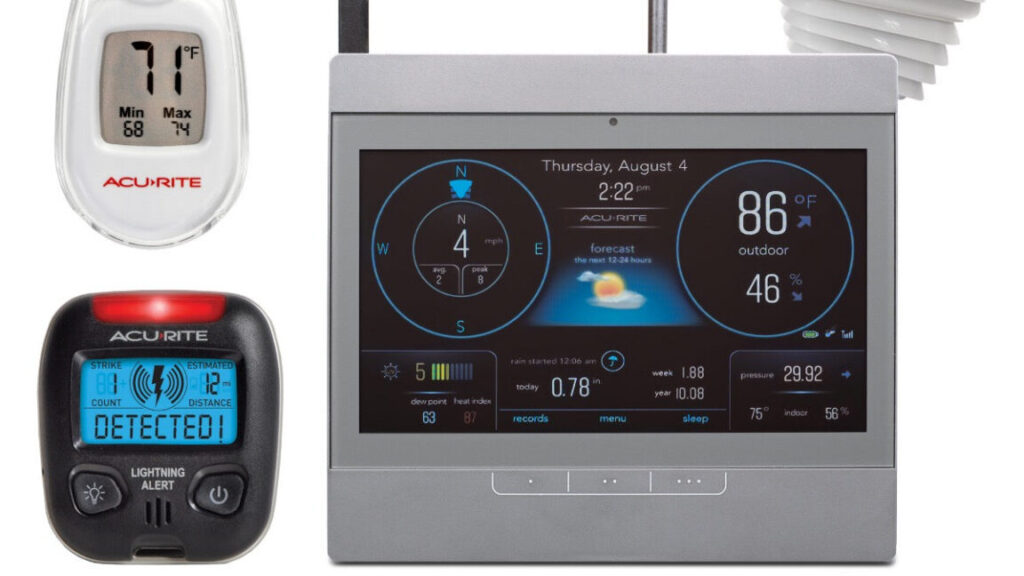
Table of Contents
The Forced Migration
For users of AcuRite’s smart weather-monitoring hardware, the experience of tracking local climate data just got significantly more complicated. The company has announced that its long-standing companion app, My AcuRite, will be officially decommissioned on May 30. After that date, users will be forced to migrate to AcuRite NOW, a replacement platform released in June 2025.
The transition has sparked a wave of frustration among the brand’s core user base. While AcuRite frames the move as a necessary technical evolution, customers argue that the new app is a functional downgrade, lacking several granular controls that made the original software a favorite for weather enthusiasts.
‘Obsolete’ Tech vs. User Utility
In a conversation with reporters, Jeff Bovee, AcuRite’s VP of Product Development, defended the decision by citing the obsolescence of the legacy infrastructure. According to Bovee, My AcuRite was essentially a “weather-station cloud dashboard,” whereas the new AcuRite NOW is designed as a broader “connected-device platform.”
The shift is more than just a cosmetic overhaul. Bovee claims the new architecture provides a stronger foundation for mobile-first development, better account management, and expanded integrations—including compatibility with Tuya’s SmartLife IoT ecosystem. However, these high-level architectural gains haven’t translated to a better day-to-day experience for many.
Current users report a frustrating lack of parity between the two apps. AcuRite NOW currently prevents users from renaming multiple temperature sensors or organizing on-screen data. Perhaps most irritating for precision-focused hobbyists is the app’s refusal to report temperatures as anything other than whole numbers. While the company says it is working on adding these features, the “move fast and break things” approach has left many feeling like they are beta-testing a product they already paid for.
The Subscription Pivot
Beyond the missing features, there is a more contentious financial element to the migration. For years, My AcuRite allowed users to share their local data with the real-time service Weather Underground for free. Under the new AcuRite NOW regime, this functionality is locked behind a subscription fee.
Bovee maintains that the new platform offers superior support for sharing data with Weather Underground, but the move highlights a growing trend across the IoT landscape: the “subscription-ification” of hardware. By tying a previously free service to a new app, AcuRite has effectively turned a one-time hardware purchase into a recurring revenue stream.
A Vanishing Web Presence
The cleanup didn’t stop at the app store. Along with the sunsetting of My AcuRite, the company also removed its online web dashboard, which allowed users to manage their devices via a browser. Bovee explained that because the web dashboard and mobile app were tied to the same legacy system, it was impossible to keep the browser access active once the backend was retired.
While Bovee noted that a new web-based dashboard for AcuRite NOW is in the works, he stopped short of providing a concrete release date, leaving a significant gap in accessibility for users who prefer a desktop interface over a smartphone screen.
The IoT Dilemma
This friction is emblematic of a wider struggle within the smart home industry. Companies are increasingly grappling with how to maintain long-term support for hardware while evolving their business models. When a company decides to pivot—whether that means introducing ads, requiring subscriptions, or killing an app—the consumer is often left with a “brick'” or a diminished experience on a device they own outright.
AcuRite has asked for patience as they refine the new platform, but for many, the lack of feature parity at launch is a hard pill to swallow. As the May 30 deadline approaches, the situation serves as a stark reminder that in the era of the connected home, you don’t truly own your devices—you merely license the software that makes them useful.