Xreal Bets on ‘Project Aura’ to Solve the Smart Glasses Profit Problem
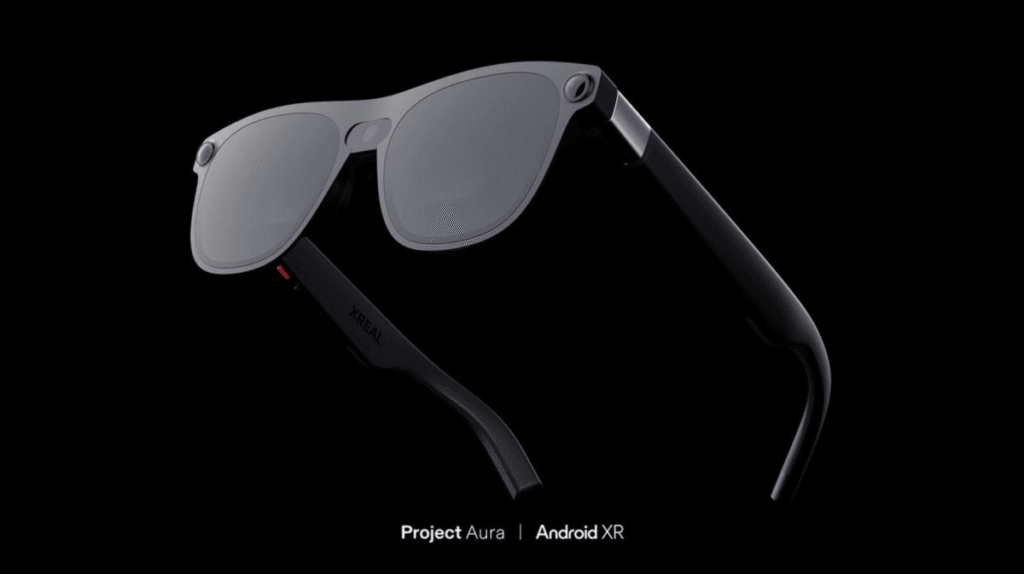
Table of Contents
The Struggle for a Wearable Future
For over a decade, smart glasses have existed as a persistent, often expensive, fever dream for Silicon Valley. The promise is deceptively simple: decouple the digital world from the handheld slab of glass and move it directly into the user’s line of sight. Yet, for most companies, this pursuit has looked less like a technological revolution and more like a financial sinkhole.
“Everybody’s losing money,” says Chi Xu, founder and CEO of Xreal. It is a candid admission for a leader in a space where giants like Meta continue to burn billions through divisions like Reality Labs in a bid to find a consumer-friendly form factor.
Speaking with GizStreet during Google’s I/O conference in Mountain View, Xu positioned Xreal—a long-term partner of Google—as a company that has finally cracked the code. The centerpiece of this confidence is Project Aura, Xreal’s latest attempt to transition XR glasses from niche enthusiast gadgets to functional, everyday tools.
Bridging the Gap with Project Aura
The failures of previous smart glasses usually boil down to three things: they are too bulky to be fashionable, too socially awkward to wear in public, and offer software that doesn’t justify the effort of putting them on. Xreal is attempting to bypass these hurdles by focusing on high-fidelity visuals without the oppressive weight of a full-headset VR system.
Project Aura utilizes OLED displays embedded within the frames, allowing users to overlay high-resolution video and data onto the real world. However, the hardware isn’t entirely seamless. To keep the glasses lightweight, Aura relies on a “puck”—a tethered mini-computer roughly the size of a smartphone that handles the heavy processing. While the puck can be tucked into a pocket, the physical connection remains a compromise in the quest for a truly wireless experience.
Despite the tether, the software capabilities are where Xreal is pushing for a breakthrough. Through a deep integration with Google, Aura offers an immersive version of Google Maps and VR-enabled YouTube viewing. More impressively, the device utilizes hand tracking for interaction, allowing users to engage with a holographic “painting app” or a variety of games without needing a handheld controller.
From Novelty to Utility
Xu views these features not as toys, but as the foundation for a new type of productivity. He envisions a world where the device isn’t just for watching a holographic NBA game, but for creating a private, virtual workspace in a crowded coffee shop or following a floating recipe while cooking.
This pivot toward utility is aimed at broadening the market beyond early adopters. By positioning the glasses as a tool for professionals—essentially a portable, multi-monitor setup for the face—Xreal hopes to avoid the “novelty trap” that claimed so many predecessors.
The Path to Profitability
While Meta’s partnership with Ray-Ban proved there is a massive appetite for glasses that *look* normal, the economics of the hardware remain precarious. Xreal is currently navigating its own financial scaling. Currently available only to developers, Project Aura is slated for a commercial launch later this year.
Behind the scenes, Xreal is cleaning up its balance sheet. Xu notes that the company has been aggressively raising gross margins while trimming marketing and sales overhead. According to Xu, the goal is to break even by next year, a milestone that would put Xreal in a rare position among XR hardware manufacturers.
This financial stabilization comes as the company prepares for a potential IPO, expected to land before the end of 2026. Whether Project Aura can convert technical viability into a sustainable business model remains to be seen, but for Xreal, the inflection point has finally arrived.


