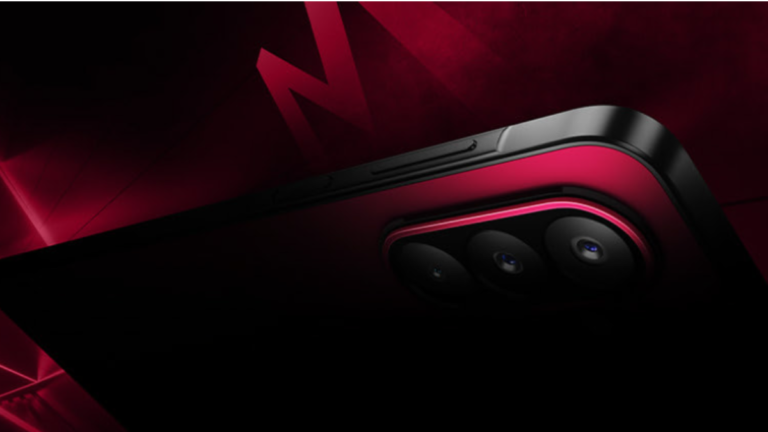
Xiaomi’s Redmi K90 Ultra May Push Battery Limits With Massive 8,000mAh Cell
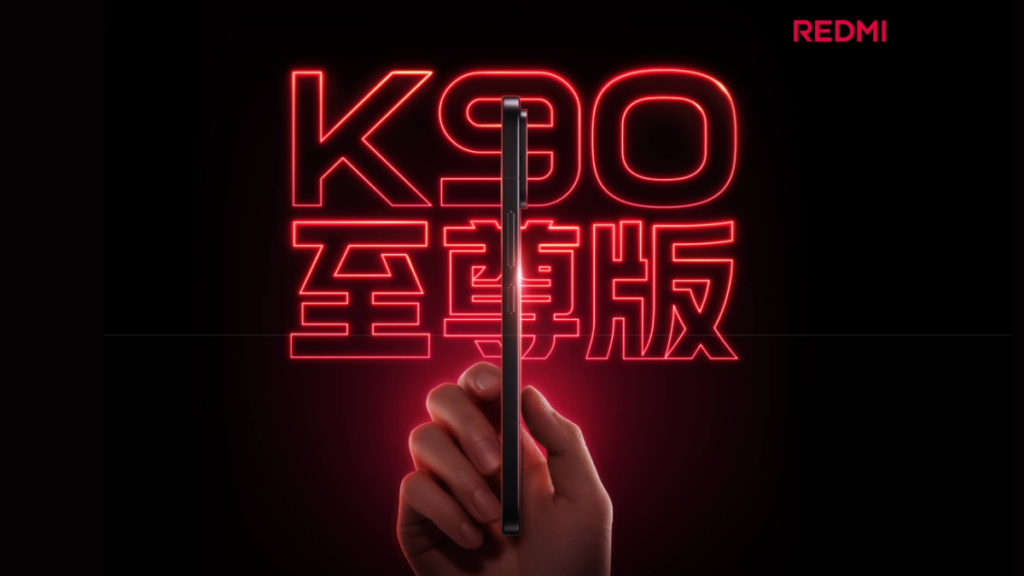
Table of Contents
The Battery Arms Race Hits the K-Series
Xiaomi has a history of using the Redmi K-series as a testing ground for hardware that would be too aggressive for the more conservative Xiaomi series. With the upcoming Redmi K90 Ultra, the company appears to be doubling down on the ‘performance’ label, with early leaks suggesting a massive shift in power management. Industry insiders are pointing toward a potential 8,000mAh battery, a figure that would dwarf the current standard of 5,000mAh to 5,500mAh found in most flagship devices.
If verified, this move would signal a strategic pivot. While the industry has spent years optimizing software and refining LTPO displays to save power, Xiaomi seems to be opting for brute force. For the gaming community—the primary target for the Ultra variant—this could mean hours of sustained high-refresh-rate gaming without the dreaded mid-match charger tether. However, the physical reality of an 8,000mAh cell usually implies a thicker chassis or a significant breakthrough in silicon-carbon battery density, a technology Xiaomi has been experimenting with in its recent high-end releases.
Performance Foundations: Beyond the K80 Ultra
The Redmi K80 Ultra set a high bar with its integration of the MediaTek Dimensity 9400+ SoC and a highly responsive 6.83-inch display hitting 144Hz. To justify the ‘K90’ moniker, Xiaomi cannot simply iterate; it needs a leap in efficiency. There is significant speculation that the K90 Ultra will leverage the next generation of MediaTek’s All-Big-Core architecture, potentially pushing the Dimensity chipset’s thermal envelopes further to maintain peak performance during long sessions.
The display is expected to remain a focal point. While the K80 Ultra’s 144Hz panel was a hit with enthusiasts, there are rumors of improved peak brightness and a more advanced variable refresh rate system to offset the power draw of that rumored massive battery. We expect the screen to remain in the 6.7 to 6.9-inch range, maintaining the large footprint necessary for heat dissipation in a gaming-centric device.
The Challenge of Thermal Throttling
A larger battery is only half the battle. The real challenge for the K90 Ultra will be managing the heat generated by a high-performance SoC and the charging cycles of a giant cell. If Xiaomi implements 120W or higher fast charging on an 8,000mAh battery, the thermal pressure on the internal components will be immense. We expect to see an expanded vapor chamber system, possibly utilizing a new material like graphite-composite or an enlarged stainless steel frame to keep the device from throttling during intensive workloads.
Market Positioning and Timing
Xiaomi hasn’t officially confirmed a launch date, but historical patterns suggest a rollout that aligns with the broader Redmi ecosystem refresh. The K90 Ultra typically serves as the bridge between the mid-range Redmi Note series and the premium Xiaomi flagship line. By focusing on a ‘power-user’ niche—characterized by extreme battery life and raw processing power—Xiaomi is positioning the K90 Ultra directly against competitors like the Realme GT series and iQOO’s gaming-centric offerings.
While the exact pricing remains under wraps, the K-series usually maintains a competitive edge by offering ‘flagship killer’ specs at a price point that undercuts the global giants. The inclusion of a high-capacity battery and the latest MediaTek silicon suggests a device that prioritizes utility over the luxury refinements typically found in the Xiaomi 14 or 15 series.