Xiaomi Shifts Strategy with FX Mini LED Series: Fire TV Integration and Quantum MagiQ Hit India
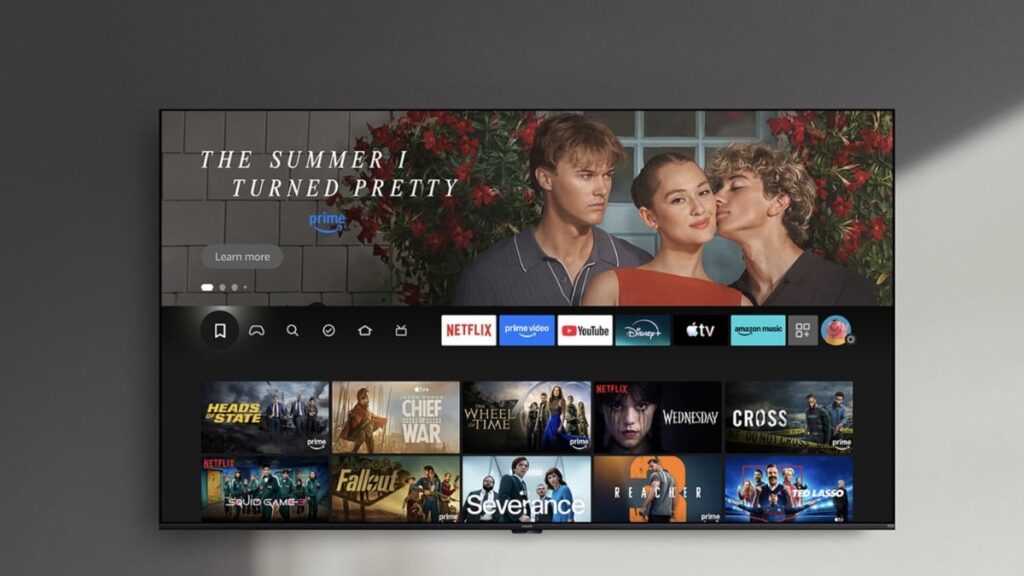
Table of Contents
A Strategic Pivot in the Living Room
Xiaomi is preparing to shake up its television portfolio in India with the official launch of the FX Mini LED Series on June 4. While the company has long played the volume game in the budget Android TV segment, the FX series signals a move toward the premium mid-range, blending high-end panel technology with a surprising shift in software ecosystem.
The most notable departure here is the deep integration of Amazon Fire TV. While Xiaomi has previously leaned heavily on its own PatchWall interface and Google TV, the FX series moves toward a more streamlined Amazon-centric experience. This shift likely aims to capture a broader segment of the Indian market that has already embraced the Alexa ecosystem and the Fire TV app library, potentially simplifying the user experience by removing the friction between different smart home controllers.
The Tech: Mini LED and Quantum MagiQ
At the heart of the FX series is Mini LED backlighting, a technology that bridges the gap between standard LED-LCDs and expensive OLEDs. By using thousands of smaller LEDs for backlighting, Xiaomi can achieve significantly better local dimming, resulting in deeper blacks and higher peak brightness without the “blooming” effect common in cheaper edge-lit panels.
Xiaomi is pairing this hardware with its proprietary Quantum MagiQ Technology. While the company keeps the exact specifics of MagiQ under wraps, it functions as an AI-driven image processing engine designed to optimize color accuracy and motion handling in real-time. For the end user, this typically manifests as better upscaling for low-resolution content and reduced judder during high-motion sequences—crucial for the sports-heavy viewing habits of the Indian market.
Audio and Gaming Specifications
Beyond the panel, Xiaomi has teased a quad-speaker setup for the FX series. In an era where thin bezels have forced manufacturers to sacrifice audio quality, a four-speaker array suggests an attempt to provide a more immersive soundstage without requiring an immediate external soundbar purchase. This, combined with the Mini LED’s high contrast, positions the FX series as a gaming-centric option, though official refresh rate specs (such as 120Hz or 144Hz support) remain unconfirmed.
Contextualizing the Move
The FX Mini LED Series arrives shortly after the Xiaomi TV S Mini LED (2026) iterations, suggesting that Xiaomi is now diversifying its Mini LED offerings rather than relying on a single flagship model. By splitting the lineup, they can target different price brackets—one focusing on pure specs and another, like the FX series, focusing on ecosystem integration and a curated entertainment experience via Fire TV.
This move puts Xiaomi in direct competition with Samsung’s Neo QLED and Sony’s Mini LED offerings, but likely at a significantly more aggressive price point. The decision to integrate Fire TV is particularly savvy given Amazon’s growing logistics and retail footprint in India, creating a synergy that could make the FX series a default choice for consumers who prioritize app availability and voice control over the open-source flexibility of Android.
The official unveiling on June 4 is expected to reveal the specific screen sizes—likely ranging from 55 to 75 inches—and the pricing tiers that will determine if this is a disruptor or simply a luxury addition to the catalog.


