Xiaomi pivots to MediaTek for 17T Pro, betting on Dimensity 9500 and massive 7,000mAh battery
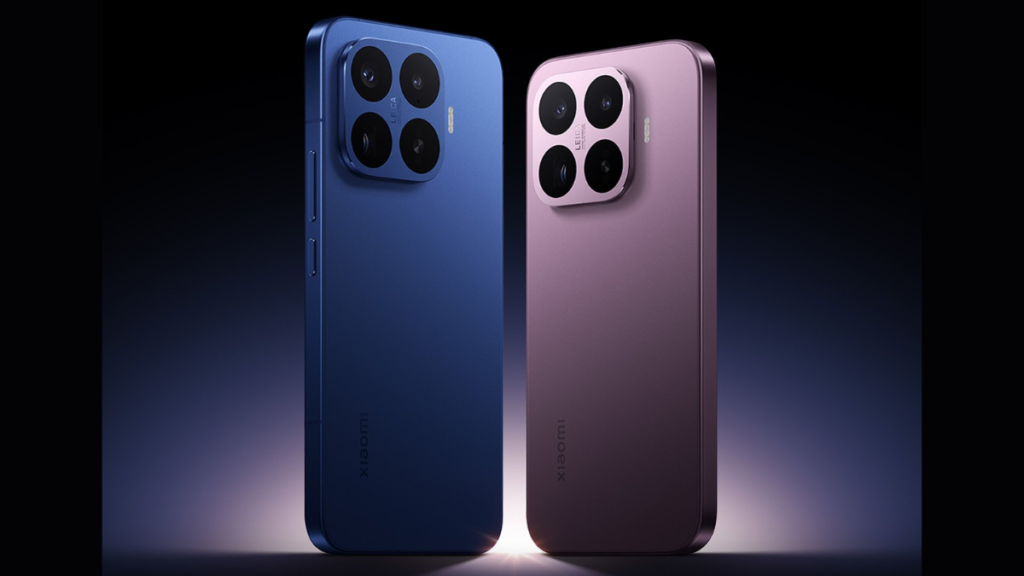
Table of Contents
A strategic departure from Qualcomm
Xiaomi is shaking up its flagship strategy. In a move that deviates from the established patterns of the Xiaomi 17 series, the company has confirmed that the upcoming 17T Pro will ditch the Qualcomm Snapdragon 8 Elite Gen 5 in favor of the MediaTek Dimensity 9500. This marks a significant shift for the ‘T’ variant, which traditionally acts as a high-performance alternative to the main series, but rarely drifts so far from the company’s primary silicon partner.
The decision to integrate the Dimensity 9500—built on a cutting-edge 3nm process—suggests that MediaTek has finally closed the performance gap that once made Snapdragon the only viable choice for ultra-premium handsets. By diversifying its chipset sourcing, Xiaomi not only mitigates supply chain risks but also tests whether MediaTek’s efficiency can outperform Qualcomm in real-world thermal management and battery endurance.
The silicon carbon battery gamble
While the chipset is a major talking point, the 17T Pro’s most aggressive specification is its power cell. Xiaomi has announced that the device will feature a 7,000mAh silicon carbon battery. This is a notable jump from the standard lithium-ion capacities seen in most flagships, which typically hover between 4,500mAh and 5,000mAh.
Silicon carbon technology allows for higher energy density in a smaller physical footprint, effectively solving the ‘bulk’ problem that usually accompanies massive batteries. Xiaomi is leaning heavily into this endurance angle, claiming the 17T Pro can sustain up to 9.5 hours of continuous video recording on a single charge. For content creators and power users, this addresses one of the most persistent pain points of modern smartphones: the rapid drain caused by 4K recording and high-refresh-rate displays.
Market positioning and regional availability
The 17T series rollout is expected to be a staggered affair. While a global launch is scheduled for later this week, the regional distribution remains a point of contention. The standard Xiaomi 17T is confirmed for an Indian debut next month, but the Pro model’s availability in that specific market remains unconfirmed. This ambiguity suggests Xiaomi may be using the Pro model as a targeted play for specific European or Asian markets where the demand for ‘battery-first’ flagships is higher.
By splitting the 17 series between the Snapdragon-powered main line and the MediaTek-powered T Pro, Xiaomi is effectively creating two distinct tiers of flagships. One caters to the pure performance and ecosystem prestige of Qualcomm, while the other targets the efficiency and endurance-seeking segment of the market.
What this means for the flagship landscape
The 17T Pro is more than just a spec bump; it is a bellwether for the industry. If the Dimensity 9500 can match the Snapdragon 8 Elite Gen 5 in benchmarks while benefiting from the efficiency of a 7,000mAh cell, it puts immense pressure on other OEMs to reconsider their silicon exclusivity deals. We are seeing a trend where ‘flagship’ is no longer defined solely by the fastest clock speed, but by the ability to maintain that speed without killing the battery in four hours.
Official pricing and the full suite of camera specifications are expected to be revealed during the global launch event. Until then, the 17T Pro stands as a bold experiment in energy density and chipset diversification.