Xiaomi is pivoting to Fire TV for its upcoming FX Mini LED series in India
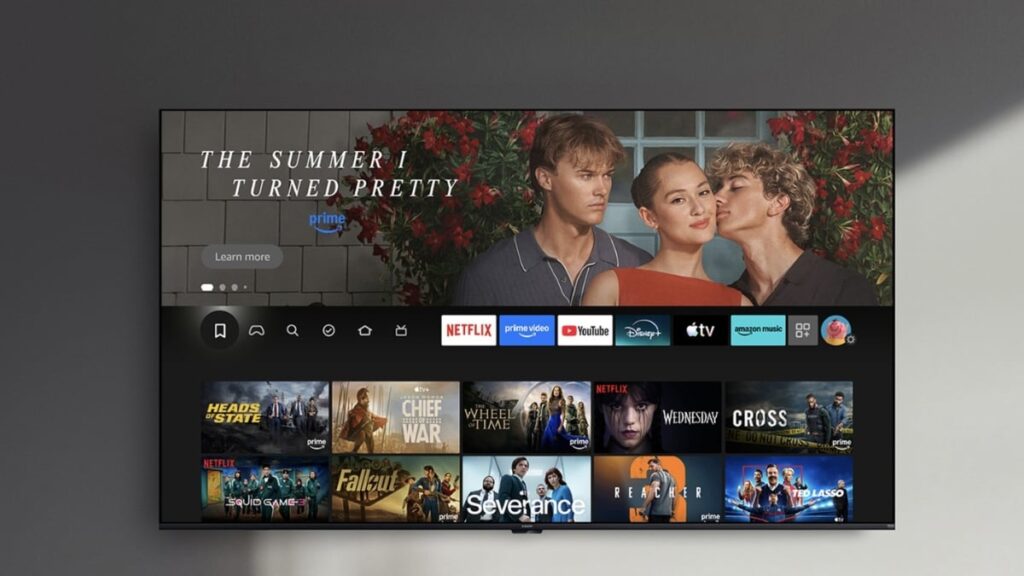
Table of Contents
A Strategic Shift in the Living Room
Xiaomi is preparing to shake up its premium television lineup in India with the upcoming launch of the FX Mini LED series. While the hardware focus on Mini LED technology is expected, the most significant reveal isn’t the panel—it’s the software. Xiaomi has confirmed that the series will feature integrated Amazon Fire TV, marking a strategic departure from its heavy reliance on the PatchWall-driven Android TV ecosystem for its top-tier displays.
For years, Xiaomi has played a delicate balancing act, layering its own PatchWall interface over Android TV to create a curated, region-specific experience. However, by integrating Fire TV directly into the FX series, Xiaomi is leaning into Amazon’s streamlined app ecosystem and voice-control infrastructure. This move likely aims to reduce the friction of a fragmented UI and provide a more cohesive experience for users who are already deep into the Alexa ecosystem.
Mini LED: Bridging the Gap to OLED
The transition to Mini LED is a calculated move to challenge the dominance of OLED and high-end QLEDs in the Indian market. By using thousands of tiny LEDs for backlighting, the FX series can achieve much tighter control over local dimming zones. This effectively eliminates the ‘blooming’ effect often seen in traditional LED TVs when bright objects appear against a dark background.
While Xiaomi has not yet released the exact zone count for the FX series, industry expectations for a “premium” Mini LED range suggest a significant jump in peak brightness and contrast ratios compared to the previous Mi TV series. This makes the FX a direct competitor to the likes of Samsung’s Neo QLED and Sony’s Bravia Mini LED offerings, which have long held the high ground in luminance and black levels.
Audio Overhaul: Moving Beyond the Baseline
One of the most common criticisms of slim-profile smart TVs is the subpar audio quality—essentially “tinny” sound that necessitates an immediate purchase of a soundbar. Xiaomi is attempting to mitigate this with the FX series by implementing a dedicated quad-speaker setup.
Unlike standard dual-driver configurations, the quad-speaker array is designed to provide a wider soundstage and better dialogue clarity without relying solely on digital processing to simulate surround sound. This hardware upgrade suggests that Xiaomi is targeting the ‘home cinema’ enthusiast who wants a high-quality out-of-the-box experience without the cable clutter of external audio equipment.
The Competitive Landscape
The timing of this launch is critical. With the Indian consumer increasingly shifting toward larger screen sizes (65-inch and above), the demand for panels that don’t sacrifice brightness for black levels is peaking. By combining Fire TV’s ubiquity with Mini LED’s performance, Xiaomi is attempting to move the brand away from its “budget-friendly” image and firmly into the premium enthusiast segment.
Whether the FX series can disrupt the established loyalty toward Korean and Japanese brands will depend largely on the pricing strategy. If Xiaomi can price the Mini LED series aggressively while maintaining the build quality promised by the quad-speaker and high-end panel integration, it could force a price correction across the premium TV segment in India.