Xiaomi is bringing its FX Mini LED series to India, betting on Fire TV integration
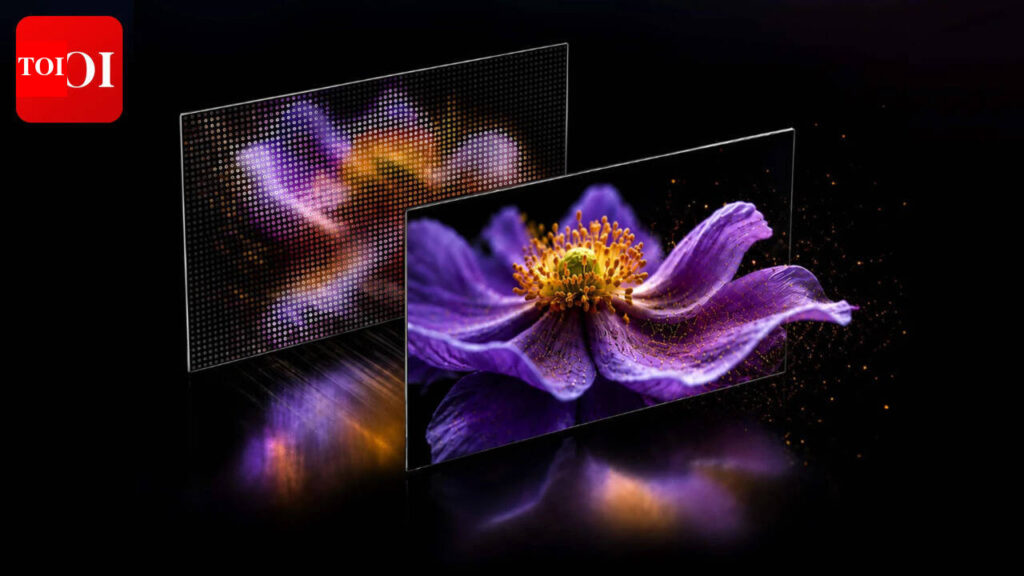
Table of Contents
A pivot toward premium display tech
Xiaomi has officially confirmed that its FX Mini LED TV series will make its debut in the Indian market on June 4, 2026. While the company has kept specific pricing and screen sizes under wraps until the event, the technical specifications shared in the announcement suggest Xiaomi is attempting to carve out a middle ground between budget-friendly LED panels and the ultra-premium OLEDs that dominate the high-end segment.
The centerpiece of the FX series is the implementation of Full-Array QD-Mini LED backlighting. Unlike traditional LEDs, which rely on a few large backlight zones, Mini LED technology utilizes thousands of smaller diodes. When paired with independent dimming zones, this allows the TV to turn off specific areas of the screen entirely, drastically reducing the “blooming” effect often seen around bright subtitles or stars against a black sky. The addition of Quantum Dots (QD) further enhances color purity, which is critical for the series’ claimed 93% DCI-P3 wide color gamut coverage.
The processing engine and the Amazon partnership
Hardware is only half the battle in the TV market; the software determines the user experience. Interestingly, Xiaomi is bypassing its own proprietary PatchWall-heavy interfaces in favor of Amazon’s Fire TV platform for this series. This move streamlines the ecosystem for users already embedded in the Alexa environment and provides a more robust app library out of the box.
To handle the heavy lifting of 4K upscaling and HDR mapping, Xiaomi is utilizing its Quantum MagiQ image processing engine. This AI-driven chipset is designed to analyze content in real-time, adjusting contrast and sharpness based on the genre of the media being played. In a market where Samsung and LG rely heavily on their proprietary processors to justify premium price tags, Xiaomi’s Quantum MagiQ is a direct attempt to provide similar computational performance at a more aggressive price point.
Audio and physical architecture
While the smaller models in the FX lineup will likely stick to standard stereo setups, the larger variants are equipped with a quad-speaker system. These arrays are tuned to support both Dolby Audio and DTS:X, aiming for a more immersive soundstage that reduces the immediate need for a dedicated soundbar in smaller living rooms.
The shift to Mini LED is a broader trend we are seeing across the industry. As manufacturing costs for Mini LEDs drop, they are replacing high-end LCDs because they offer a brightness level that OLEDs simply cannot match—making them far superior for bright, sunlit Indian living rooms where glare is a constant issue.
Industry observers expect Xiaomi to launch the FX series in at least three sizes, likely ranging from 55 to 75 inches. If the pricing follows Xiaomi’s historical pattern of undercutting established Korean brands while offering 90% of the same specs, the FX series could put significant pressure on the mid-range segments of Sony and Samsung in the region.


