Xiaomi FX Mini LED Series Debuts in India: A Direct Challenge to Premium Display Dominance
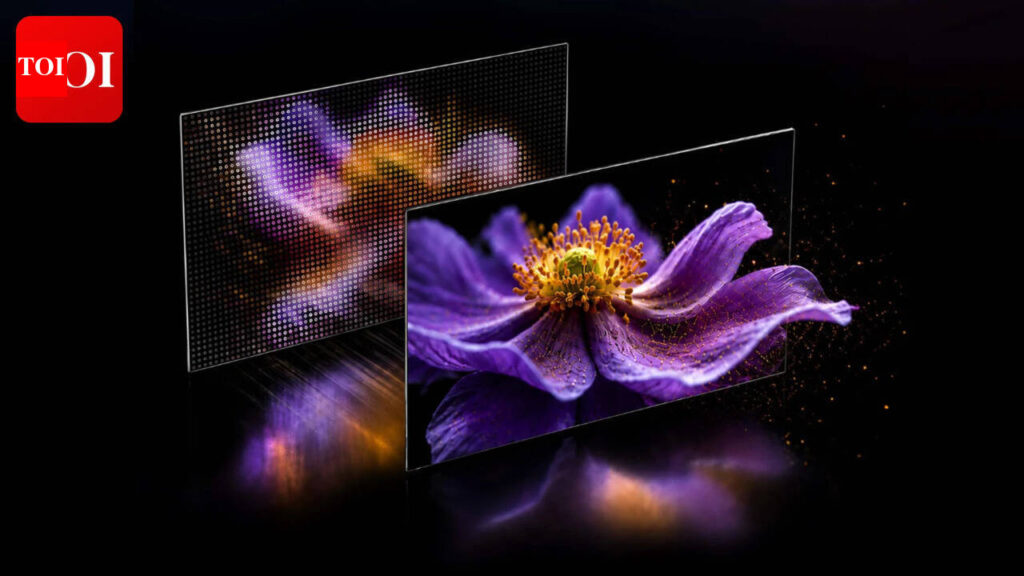
Table of Contents
The Shift Toward Mini LED: Why Xiaomi’s Timing Matters
On June 4, 2026, Xiaomi is set to officially introduce the FX Mini LED series to the Indian market. While the company has long been known for disrupting the budget and mid-range segments, this launch signals a deliberate pivot toward the high-end home cinema experience. The FX series isn’t just another incremental update; it is a targeted attempt to capture the ‘prosumer’ audience that finds OLED too risky regarding burn-in and traditional LED too washed out in high-contrast scenes.
- Display Tech: Full-Array QD-Mini LED with independent dimming zones for deep blacks.
- Color Accuracy: 93% DCI-P3 wide color gamut, targeting cinema-grade reproduction.
- OS: Integration with Amazon Fire TV, moving away from a purely proprietary PatchWall approach for this line.
- Processing: Powered by the Quantum MagiQ engine for AI-driven upscaling.
The Indian television market has seen a surge in demand for larger screens—specifically 65 and 75 inches—coupled with a growing appetite for HDR10+ and Dolby Vision. By utilizing QD-Mini LED (Quantum Dot Mini LED), Xiaomi is attempting to bridge the gap between the brightness of LED and the precision of OLED. In practical terms, this means thousands of tiny LEDs acting as backlighting, allowing the TV to turn off specific zones of the screen entirely, virtually eliminating the ‘blooming’ effect typically seen around bright subtitles on dark backgrounds.
Technical Breakdown: QD-Mini LED and Quantum MagiQ
To understand why the FX series is a significant step up, we have to look at the architecture. Traditional LEDs use a few large backlight zones. The Full-Array QD-Mini LED system used in the FX series employs a much denser grid of LEDs. When paired with a Quantum Dot layer, these LEDs produce a purity of color that exceeds standard LCDs.
The Role of Independent Dimming Zones
The core value proposition of the FX series lies in its independent dimming zones. By controlling brightness at a granular level, the TV can maintain high peak brightness in one area of the screen (like a bright sun in a movie scene) while keeping the surrounding areas pitch black. This is critical for HDR (High Dynamic Range) content, where the contrast ratio determines the perceived realism of the image.
Quantum MagiQ: The Brain Behind the Panel
Hardware is only half the battle; the Quantum MagiQ image processing engine is what manages the data. This AI-driven processor handles real-time noise reduction, motion smoothing, and color mapping. For the Indian consumer, who often consumes content from a variety of sources—ranging from high-bitrate 4K Blu-rays to compressed 1080p cable TV signals—this processing is essential for maintaining visual consistency.
The Strategic Pivot to Amazon Fire TV
One of the most surprising elements of the FX series is the integration of the Amazon Fire TV platform. Historically, Xiaomi has pushed its own PatchWall interface. While PatchWall remains a strong aggregator, the move to Fire TV provides three immediate advantages: native Alexa integration, a more robust ecosystem of third-party apps, and a more streamlined user experience that Amazon has perfected globally.
For the end user, this means a more intuitive voice-control system and better synergy with smart home devices. However, it also raises questions about how Xiaomi will balance its own services with Amazon’s ecosystem. It’s likely we will see a hybrid approach where PatchWall elements are layered over the Fire TV OS, giving users the best of both worlds: Amazon’s app stability and Xiaomi’s content curation.
Acoustic Architecture: Beyond the Built-in Speaker
High-end visuals are wasted without high-end audio. Xiaomi has equipped the larger models of the FX series with a quad-speaker system. By integrating Dolby Audio and DTS:X, the FX series aims to provide a spatial audio experience that reduces the immediate need for a dedicated soundbar for casual viewers.
DTS:X, in particular, allows for object-based audio, meaning sound can be pinpointed to specific locations in a 3D space. While built-in speakers can never replace a dedicated 5.1.2 Atmos setup, the inclusion of these codecs ensures that the FX series can handle the complex audio metadata found in modern streaming services like Netflix and Disney+.
What This Means for the Indian Consumer
The arrival of the FX Mini LED series shifts the competitive landscape in India. Previously, if you wanted a Mini LED experience, you were often forced into the luxury pricing tiers of Samsung or Sony. Xiaomi’s entry typically follows a pattern of ‘premium specs at aggressive pricing.’
For the Movie Buff: The 93% DCI-P3 color gamut means that colors will look closer to what the director intended. You’ll see more nuance in skin tones and more vibrancy in landscapes without the colors looking ‘artificial.’
For the Gamer: While specific refresh rate data (120Hz vs 144Hz) is pending the June 4 reveal, the Mini LED backlight is a massive win for gaming. Lower input lag combined with high contrast makes for a much more immersive experience in titles like Cyberpunk 2077 or Elden Ring, where lighting and shadow play a huge role in atmosphere.
Comparative Analysis: Mini LED vs. OLED
As consumers decide between the FX series and OLED alternatives, the trade-offs are clear. OLED offers ‘perfect’ blacks because each pixel is its own light source. However, Mini LED—like that found in the FX series—can reach significantly higher peak brightness levels. This makes the FX series a far better choice for bright Indian living rooms with lots of natural light, where an OLED screen might struggle with reflections or lack the ‘punch’ to cut through the glare.
| Feature | Xiaomi FX (Mini LED) | Traditional OLED | Standard LED/LCD |
|---|---|---|---|
| Peak Brightness | Very High | Moderate | High |
| Contrast Ratio | Excellent (Zoned) | Perfect (Pixel-level) | Average |
| Lifespan/Burn-in | Highly Durable | Risk of Burn-in | Highly Durable |
| Color Accuracy | High (Quantum Dot) | Ultra-High | Moderate |
Frequently Asked Questions
What is the difference between Mini LED and standard LED?
Mini LED uses much smaller LEDs for backlighting, allowing for more ‘dimming zones.’ This results in better contrast and less light leakage (blooming) compared to standard LED TVs.
Will the Xiaomi FX series support gaming consoles like PS5 and Xbox Series X?
Yes, with 4K resolution and high-end processing, the FX series is designed for next-gen consoles. Specific HDMI 2.1 port counts will be confirmed on June 4.
Does the Fire TV OS mean I lose Xiaomi’s PatchWall?
Likely not. Xiaomi usually integrates PatchWall as a service or a dedicated mode within the OS to maintain its content discovery strengths.
What is DCI-P3 and why does 93% matter?
DCI-P3 is the color standard used by the film industry. A 93% coverage means the TV can accurately reproduce the vast majority of colors seen in cinema, leading to a more realistic image.
How does the Quantum MagiQ processor improve image quality?
It uses AI to upscale lower-resolution content to 4K, reduces visual noise in dark areas, and optimizes color balance in real-time based on the scene.
The June 4 launch will be the moment of truth regarding pricing. If Xiaomi manages to price the FX series significantly below the established premium brands while maintaining the promised QD-Mini LED quality, they may not just be selling a TV—they’ll be redefining the ‘value-premium’ segment in India.