Xiaomi Doubles Down on Mid-Range Display Tech with Fire TV-Powered Mini LED Series in India
Xiaomi expands its Indian portfolio with the TV FX Mini LED series, integrating Amazon Fire TV and QD Mini LED tech across four sizes from 43 to 75 inches.
A Strategic Pivot Toward Mini LED
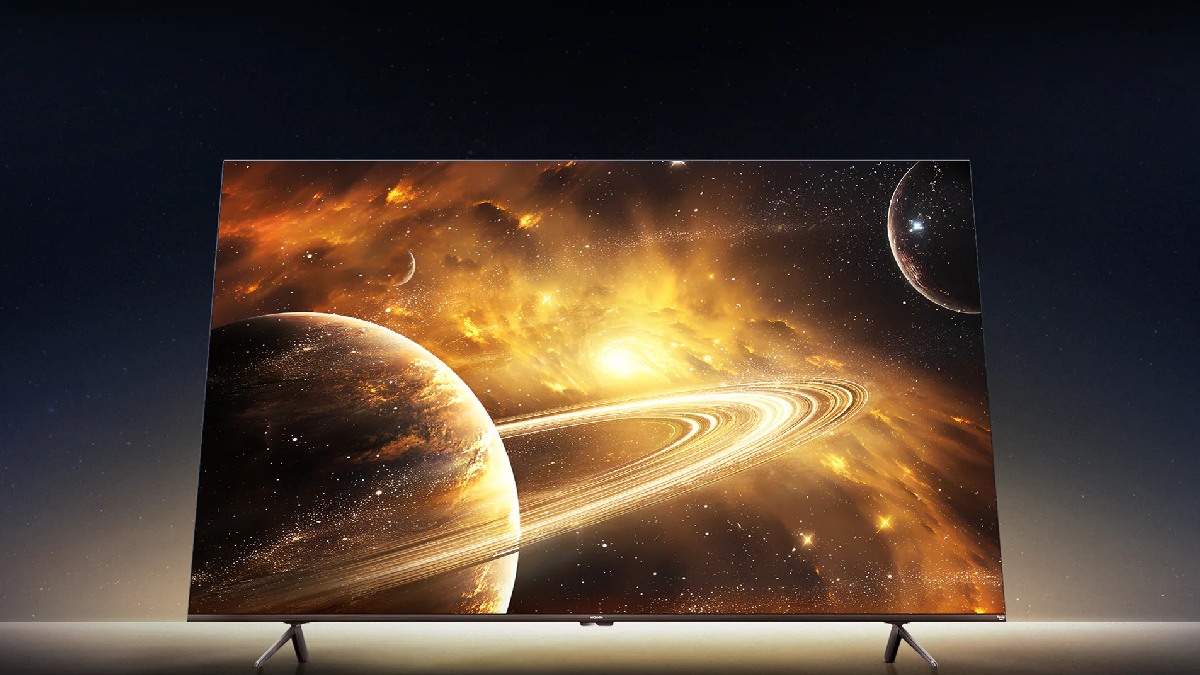
Xiaomi is attempting to bridge the gap between budget LED panels and high-end OLEDs in the Indian market with the launch of the TV FX Mini LED series. By deploying Quantum Dot (QD) Mini LED technology across a range of sizes from 43 to 75 inches, the company is targeting the ‘prosumer’ segment—users who want the high contrast and brightness of premium displays without the prohibitive cost of a flagship Sony or Samsung set.
The core appeal here is the Full Array Local Dimming (FALD). Unlike standard edge-lit LEDs, the FX series utilizes a grid of Mini LEDs that can be dimmed or brightened independently. This significantly reduces the ‘blooming’ effect often seen around bright objects on dark backgrounds, providing a depth of black that closer mimics the performance of an OLED panel while maintaining the superior peak brightness necessary for bright Indian living rooms.
The Amazon Partnership: Fire TV Integration
Perhaps the most significant shift in this lineup is the abandonment of a proprietary or generic Android skin in favor of deep Amazon Fire TV integration. This move aligns Xiaomi more closely with the Amazon ecosystem, giving users native access to the Fire TV app store and seamless Alexa voice control. For the end-user, this means a more streamlined interface and a more reliable smart home hub, though it ties the hardware more firmly to the Amazon ecosystem.
To support this interface and the demands of 4K streaming, Xiaomi has equipped the series with a quad-core processor and 32GB of onboard storage. While 32GB is modest by smartphone standards, it is sufficient for the Fire TV OS and a handful of heavy streaming apps, provided users don’t lean too heavily on local media storage.
Gaming and Cinema Specs
For the gaming crowd, the higher-end variants of the FX series include a DLG (Dual Line Gate) 120Hz game mode. While not a native 120Hz panel in the way a high-end LG C-series is, DLG allows the TV to simulate a higher refresh rate, reducing motion blur and input lag for console gamers using PS5 or Xbox Series X.
On the cinematic front, the inclusion of HDR10+ and Dolby Audio ensures that the hardware can handle modern streaming formats. The QD Mini LED layer enhances color volume, meaning reds and greens appear more saturated and accurate, which is a critical upgrade over the washed-out colors often found in Xiaomi’s entry-level ‘Mi TV’ offerings.
Pricing and Market Position
Xiaomi is leveraging an aggressive pricing strategy to undercut established players. The standard pricing ranges from Rs. 32,999 for the 43-inch model up to Rs. 84,999 for the 75-inch behemoth. However, a limited-time introductory offer drops these prices further, with the 43-inch model starting at Rs. 29,999 and the 75-inch landing at Rs. 79,999.
This pricing puts the FX series in direct competition with the mid-range offerings from TCL and Hisense, who have also been pushing Mini LED tech into the budget sector. By offering a 75-inch Mini LED for under 80,000 rupees, Xiaomi is effectively making massive-scale home cinema accessible to a much wider demographic.
Related News
Related Articles

Nintendo Signals Next-Gen Leap with ‘Pokémon Winds and Waves’ Exclusivity for Switch 2
The Pokémon Company unveils Winds and Waves, the first major title confirmed exclusively for the Nintendo Switch 2, featuring an oceanic open world and new starters.
Sony’s Move to Kill Physical Discs by 2028 Signals a Crisis for Game Preservation
Sony announces the end of physical PlayStation discs by January 2028, highlighting the precarious nature of digital ownership and game archiving.
iQOO is Developing a ‘Mini’ Gaming Tablet to Challenge the High-End Handheld Market
Leaked reports suggest iQOO is building a compact, high-performance gaming tablet powered by Qualcomm's next-generation flagship Snapdragon silicon.
Comments (0)