Xiaomi Challenges Premium TV Market With FX Mini LED Series Launch in India
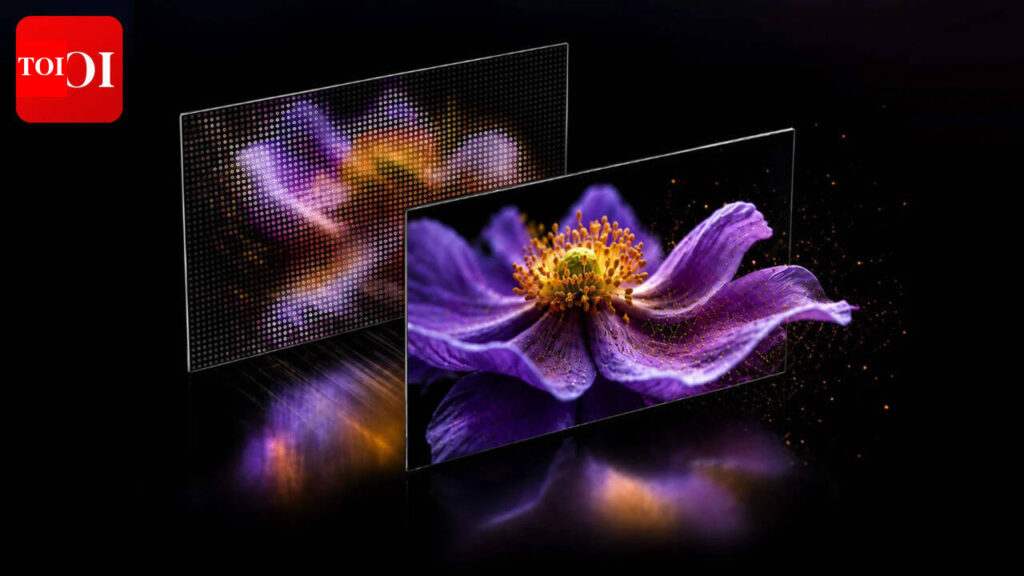
Table of Contents
Xiaomi is pivoting toward the high-end display market
Xiaomi has officially confirmed the India launch of its FX Mini LED TV series for June 4, 2026. While the company has built its reputation in the Indian market through aggressive pricing in the budget and mid-range segments, the FX series represents a clear strategic shift toward the premium home cinema experience, targeting users who have previously looked toward Samsung’s Neo QLED or Sony’s Bravia lineups.
The centerpiece of the FX series is the implementation of Full-Array QD-Mini LED backlighting. Unlike standard LED TVs, which often struggle with “blooming” or greyish blacks, the FX series utilizes independent dimming zones. By using thousands of smaller Mini LEDs, the panels can shut off light in specific areas of the screen with surgical precision, allowing for deeper blacks and higher peak brightness—a necessity for a high-quality HDR experience.
The technical backbone: Quantum MagiQ and DCI-P3
Hardware aside, Xiaomi is leaning heavily on its proprietary image processing. The series features Quantum MagiQ, an AI-driven engine designed to upscale lower-resolution content to 4K while managing color accuracy in real-time. This is paired with a DCI-P3 93% wide color gamut, ensuring that the color reproduction remains faithful to the director’s intent, particularly in high-contrast scenes.
For the audio side, Xiaomi is differentiating its sizes. While the smaller models likely rely on standard integrated speakers, the larger units in the FX lineup are equipped with a quad-speaker system. These are engineered to support both Dolby Audio and DTS:X, aiming to reduce the need for an external soundbar for the average living room setup.
A strategic bet on Amazon’s Fire TV
One of the most notable aspects of the FX series is the software choice. Rather than relying on a generic Android TV skin or the proprietary PatchWall interface as the primary driver, Xiaomi is integrating Amazon’s Fire TV platform. This move simplifies the user experience by baking Alexa voice control directly into the hardware, creating a more seamless ecosystem for users already embedded in the Amazon smart home environment.
This partnership suggests that Xiaomi is prioritizing a “plug-and-play” experience over the deep customization typically found in Google TV. By leveraging Fire TV’s app ecosystem, Xiaomi can focus more on the physical display quality and less on maintaining a separate OS layer.
Positioning in the Indian Landscape
Pricing and specific size availability remain under wraps until the June 4 event, but industry analysts expect Xiaomi to underprice its competitors to gain a foothold in the Mini LED space. The Indian market has seen a surge in demand for larger screens (65-inch and above), and if Xiaomi can deliver high-zone-count dimming at a fraction of the cost of a Sony Master Series, it could disrupt the premium tier significantly.
The FX series is not just another SKU in Xiaomi’s portfolio; it is a litmus test for whether the brand can move from being the “value choice” to the “performance choice” in the Indian living room.