Xiaomi 17T Pro: Can a Mid-Range Price Tag Deliver Flagship Ambitions?
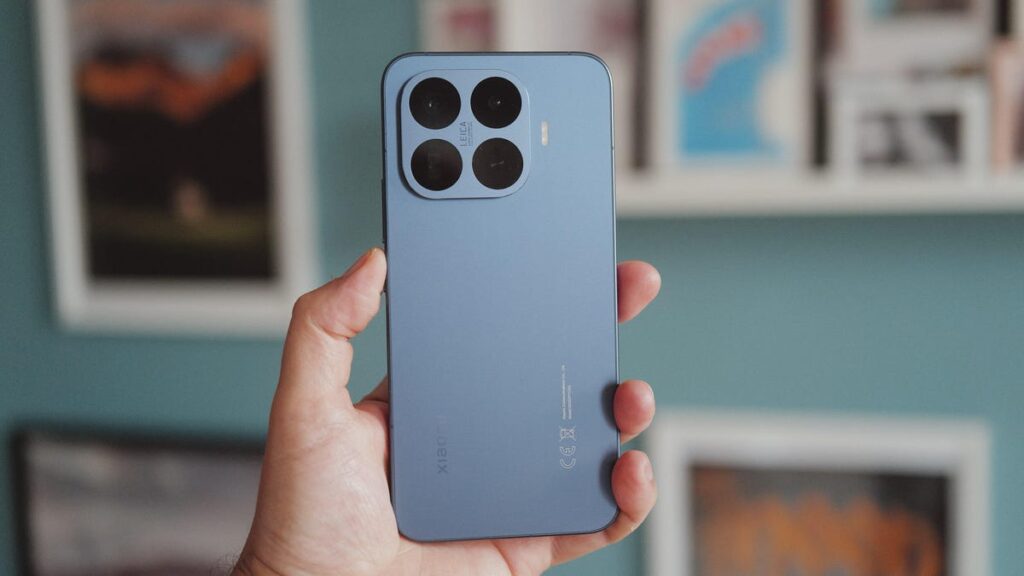
Table of Contents
Bridging the Gap Between Luxury and Utility
For those who followed the release of the Leitzphone, the sheer ambition of Xiaomi’s ultra-premium collaboration with Leica was evident—but so was the price. At £1,700, that device exists in a stratosphere reserved for corporate executives and photography enthusiasts with deep pockets. However, the real challenge for Xiaomi isn’t dominating the luxury niche; it is translating that high-end imaging pedigree into the mid-range market where most consumers actually live.
Enter the Xiaomi 17T Pro. Positioned at 899 euros (roughly £779), the 17T Pro attempts to democratize the Leica experience without sacrificing the build quality typically found in the ‘T’ series. In early hands-on testing, the device makes a strong case for itself, not as a budget alternative, but as a calculated alternative to the expensive flagship cycle.
Industrial Design and the ‘Personality’ Factor
The 17T Pro departs from the sterile glass-and-aluminum aesthetic that has dominated the last few years. The chassis is crafted from metal, providing a structural rigidity that feels more aligned with a flagship than a mid-range handset. More notable is the deep blue finish, a move that differentiates it from the monochromatic sea of space greys and blacks currently offered by Apple and Samsung.
The display is a sprawling 6.83-inch panel that is notably bright, designed to handle the high-nit requirements of outdoor use while maintaining the color accuracy needed for HDR content. With an IP68 rating, the device is built for real-world durability, shielding the internals from dust and water immersion—a standard that is becoming mandatory for any device claiming to be a professional tool.
The Leica Equation: Optics over Megapixels
The camera array is where the 17T Pro seeks its identity. It utilizes a triple-lens setup: a 50MP main sensor, a 50MP telephoto with 5x optical zoom, and a 12MP ultrawide. The centerpiece here is the integration of a Leica Summilux lens element on the primary sensor. While it lacks the massive sensor size of the 17 Ultra, the Summilux glass is designed to maximize light intake and reduce chromatic aberration, promising a more organic, ‘filmic’ look than the over-processed, hyper-sharp images often found in competitors like the Pixel 10A.
The real test will be how the 17T Pro handles low-light transitions compared to the Nothing Phone 4A Pro and the iPhone 17. While the hardware is impressive, the Leica tuning usually prioritizes contrast and mood over raw brightness, a gamble that usually pays off for photography enthusiasts but can be polarizing for the average social media user.
Silicon and Endurance: The Dimensity 9500 Edge
Under the hood, Xiaomi has opted for the MediaTek Dimensity 9500. In internal benchmark testing, the chipset performs admirably, slotting in comfortably alongside last generation’s elites like the Galaxy S25 Ultra. While it may not outpace the raw peak performance of the S26 Ultra or the Honor Magic 8 Pro, the efficiency is the real story here.
This efficiency is paired with a massive 7,000-mAh silicon carbon battery. Silicon carbon technology allows for higher energy density in a smaller footprint, meaning Xiaomi can fit a battery of this capacity without turning the phone into a brick. Coupled with 100W wired charging, the 17T Pro addresses the primary anxiety of the modern power user: the mid-day battery drain. If the software optimization holds up, this could easily be a two-day phone for moderate users.
Market Positioning
The 17T Pro occupies a precarious but lucrative middle ground. It is too expensive to be called a ‘budget’ phone, yet it undercuts the flagship premiums. By offering Leica optics and a massive battery, Xiaomi is betting that users are tired of paying a ‘brand tax’ for features that have largely plateaued in the $1,200+ segment.


