Waymo’s Ojai Robotaxi: A Purpose-Built Shift Toward a Steering-Wheel-Less Future
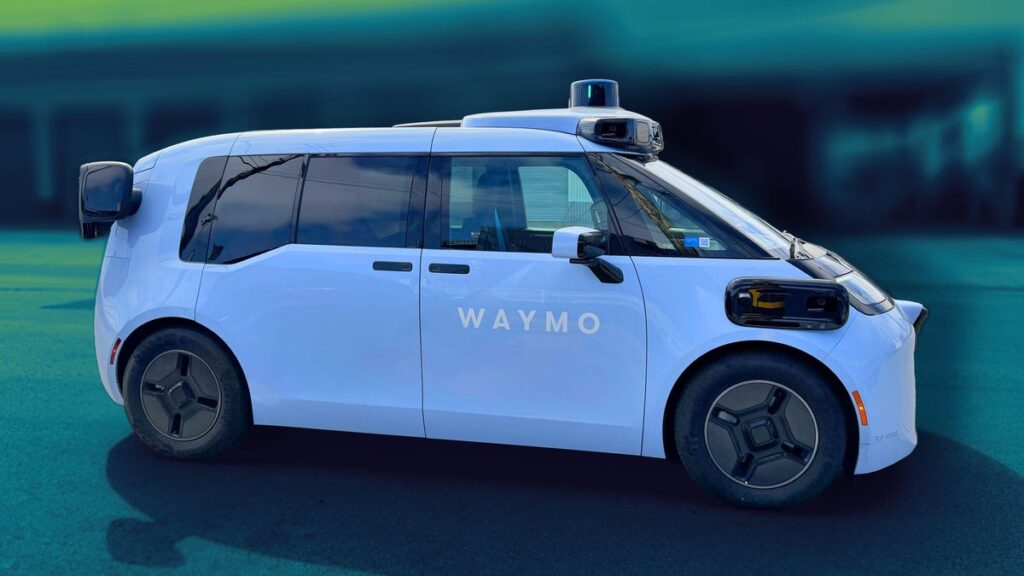
Table of Contents
Moving Beyond the I-Pace
For years, the Jaguar I-Pace has been the face of Waymo’s commercial expansion. While the luxury SUV provided a comfortable ride and a familiar silhouette, it was always a compromise—a consumer vehicle retrofitted for a commercial purpose. The arrival of the Ojai (pronounced “Oh, hi”) marks a fundamental shift in Waymo’s hardware strategy. Instead of adapting an existing car, Waymo has moved toward a purpose-built vehicle architecture developed in partnership with the Chinese EV manufacturer Zeekr.
The result is a vehicle that feels less like a car and more like a mobile lounge. The Ojai departs from the sleek, sloping lines of the Jaguar in favor of a boxier, utilitarian design that prioritizes interior volume. The most immediate difference is the cabin: a flat floor, significantly higher ceilings, and an abundance of legroom that makes the I-Pace feel cramped by comparison. Dual-sliding doors further streamline the boarding process, removing the friction of tight parking spots in dense urban environments like San Francisco.
The Gen 6 Driver: Solving the Weather Problem
While the interior is the most visible change, the real story is atop the roof. The Ojai is the primary vessel for the sixth-generation Waymo Driver. Historically, autonomous systems have struggled with “edge cases” involving extreme weather—heavy snow, torrential rain, and blinding glare—which have limited the geographic expansion of robotaxis to sun-drenched cities like Phoenix.
The Gen 6 suite is designed specifically to combat these environmental hurdles. One of the most subtle but critical additions is a dedicated wiper system for the sensor suite. By keeping the “eyes” of the car clear of precipitation, Waymo aims to move beyond the Southwest and into cities with harsher seasonal climates. According to the company, these sensors offer improved detection and object gauging in varied lighting conditions, which is essential for the safe scaling of the fleet into more complex metropolitan areas.
Designing for Accessibility and Utility
Waymo is also leaning harder into the inclusive design of the Ojai. The vehicle features integrated Braille on key interior buttons, a critical detail for visually impaired passengers who rely on autonomous ride-hailing to regain independent mobility. The interior interface is handled via a central touchscreen, allowing riders to control climate, music, and customer support without needing a human operator.
The cargo capacity has also seen a bump. The trunk is noticeably larger than the I-Pace’s, designed to accommodate bulkier items like strollers or large grocery hauls, reflecting a shift toward using robotaxis for more than just short commutes.
The End of the Steering Wheel
Perhaps the most telling detail of the Ojai’s design is its relationship with the driver’s seat. Currently, the Ojai retains a steering wheel for regulatory and safety reasons, but the architecture is designed for its eventual removal. Because the Ojai is a custom platform, Waymo can physically strip the steering mechanism and pedals from the cabin, effectively turning the front-left seat into a standard passenger spot.
This transition is more than aesthetic; it is a statement of confidence in the Gen 6 system. By removing the steering wheel, Waymo transforms the vehicle from a “self-driving car” into a true “passenger pod,” maximizing interior utility and signaling a move toward full Level 4 autonomy where human intervention is not just unnecessary, but physically impossible.
The Ojai is currently beginning its rollout in San Francisco, Los Angeles, and Phoenix. Riders can express interest via the Waymo app, with a wider release scheduled for later this summer as the company continues to scale its operational footprint.


