Waymo Pulls Robotaxis Off Freeways as Construction Zones Trip Up Autonomous Software
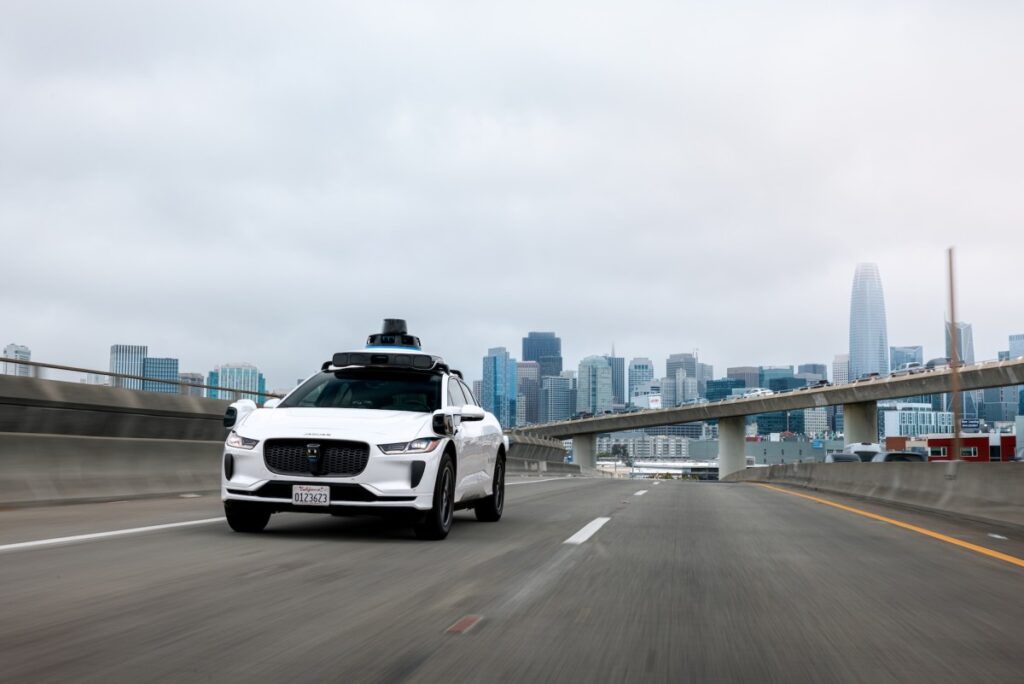
Table of Contents
A sudden detour for Waymo
Waymo has suspended its robotaxi services on freeways across four of its major markets—San Francisco, Los Angeles, Phoenix, and Miami. The company confirmed the move on Thursday, citing the need to refine how its autonomous software handles construction zones, which have reportedly become a point of failure for the fleet.
While the highway routes are offline, Waymo’s fleet continues to operate on surface streets in these cities. In a statement, the company noted it is currently integrating “recent technical learnings into our software” and expects to resume freeway operations in the near future. However, the company stopped short of providing a specific timeline for when riders can expect to return to the fast lane.
The construction conundrum
The decision follows a series of unsettling reports from users and onlookers. Navigating highway construction is a notorious edge case for autonomous vehicles; the combination of shifted lane markers, orange cones, and human flaggers creates a chaotic environment that often confuses AI perception systems.
One particularly viral incident highlighted the risk. On May 19, an X user (@Elliot_slade) posted video footage alleging that a Waymo vehicle “blasted through cones” during a highway trip, claiming the vehicle was subsequently pursued by police. While Waymo has not officially linked this specific incident to the broader suspension, the pattern of struggling with temporary road layouts suggests a systemic gap in the current software version’s ability to interpret non-standard road geometry at high speeds.
A pattern of operational pauses
This freeway retreat is not an isolated setback. Waymo has recently faced a string of regional disruptions. The company previously paused operations in Atlanta and San Antonio, Texas, after the fleet struggled to navigate severe flooding. In San Antonio, service has been stalled for weeks while the company worked on a permanent fix, following a software recall intended to help the cars identify and avoid flooded corridors.
The challenges in the South persisted into this week, with at least one robotaxi spotted stranded in Atlanta, prompting another immediate suspension of service in that city. These localized failures paint a picture of a company grappling with the unpredictability of real-world environments—from flash floods to haphazardly placed traffic cones—even as it attempts to scale.
Scaling against the clock
These technical hurdles arrive at a critical juncture for Alphabet’s autonomous driving unit. Waymo is currently in an aggressive expansion phase, aiming to facilitate up to one million paid rides per week by the end of 2026. To reach that volume, freeway access is non-negotiable. Highway routing allows the service to connect riders to airports and dramatically reduce trip times; in the Bay Area, for instance, freeway access turned hour-long peninsula commutes into manageable trips.
The company is also betting on hardware evolution. Waymo is currently testing “Ojai,” a new robotaxi built by Zeekr. This vehicle is designed specifically for ride-hailing, eschewing the traditional steering wheel and pedals of the modified Jaguars used in the current fleet. Ojai is expected to enter commercial service in the coming months, and its success will depend heavily on whether Waymo can solve the software perception issues that led to this week’s freeway shutdown.


