Waymo Outpaces Tesla in Texas AV Fleet as New State Transparency Laws Reveal Massive Gap
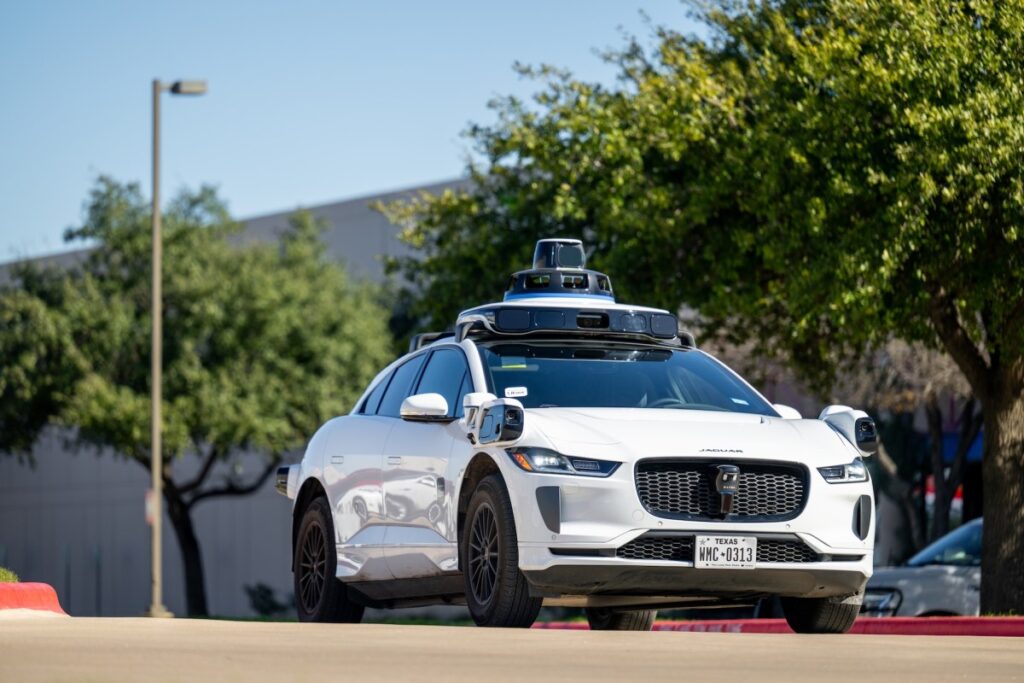
Table of Contents
The Transparency Gap in the Lone Star State
For years, the scale of autonomous vehicle (AV) deployments in Texas has been a matter of corporate press releases and guarded estimates. That changed with the implementation of a new state law on May 28, which mandates that any company testing or deploying AVs within Texas borders must register their fleets with the Department of Motor Vehicles (DMV). The result is a newly launched public tracker that provides a rare, unfiltered look at who is actually putting rubber on the road.
The data paints a stark picture of the current competitive landscape: Alphabet-owned Waymo is currently operating on a different scale than its nearest competitors. With 577 registered autonomous vehicles, Waymo has established a dominant physical footprint in Texas, leveraging its aggressive expansion into Austin, Dallas, Houston, and San Antonio.
Tesla’s Robotaxi Ambitions vs. Reality
Perhaps the most surprising revelation in the DMV data is the relatively small footprint of Tesla. Despite Elon Musk’s high-profile push for a robotaxi future and the company’s claims of expanding its services across Austin, Dallas, and Houston since last summer, Tesla has registered only 42 autonomous vehicles in the state.
This discrepancy raises critical questions about the nature of Tesla’s current deployment. While Waymo utilizes a dedicated fleet of sensor-heavy vehicles designed specifically for Level 4 autonomy, Tesla’s strategy has historically leaned on its massive consumer fleet utilizing Full Self-Driving (FSD) software. However, for the purposes of commercial robotaxi registration under the new Texas law, the 42-vehicle figure suggests that Tesla’s dedicated, company-operated autonomous fleet is a fraction of the size of Waymo’s. It highlights a fundamental difference in approach: Waymo is building a curated, managed utility, while Tesla is attempting to iterate toward a decentralized network.
Beyond Passenger Cars: The Freight Battle
The DMV tracker also sheds light on the burgeoning autonomous trucking sector, where the race for “middle-mile” logistics is heating up. Aurora, which transitioned to a commercial driverless trucking business in May 2025, currently leads the pack with 91 registered self-driving trucks.
The competition in the heavy-duty sector is tighter than the passenger market, but the gap remains significant. Gatik AI, which focuses on mid-sized “hub-to-hub’ logistics, has 64 vehicles registered. Meanwhile, Kodiak AI and Waabi trail with 33 and 13 vehicles respectively. This distribution suggests that Aurora has successfully moved past the purely experimental phase and is scaling its operational capacity to meet commercial demand.
The Caveats of Fleet Counting
While the numbers provide a necessary benchmark, fleet size is not a perfect proxy for market share or technical maturity. Not all registered vehicles are active. For instance, Waymo recently paused operations in select Texas cities due to technical challenges involving vehicle performance during flooding events. Furthermore, companies like Nuro (47 vehicles) and Zoox are not yet operating full-scale commercial services in the same vein as Waymo’s ride-hailing app.
The presence of niche players, such as the Volkswagen subsidiary MOIA with its 12 autonomous microbuses, indicates that Texas is becoming a sandbox for various forms of urban mobility, not just the high-profile battle between Alphabet and Tesla. As these companies scale, the DMV tracker will serve as a vital instrument for regulators and the public to monitor whether the growth in fleet size correlates with a decrease in safety incidents.


