Walmart’s Onn Tablet Blitz Aims to Undercut Samsung’s Budget Dominance
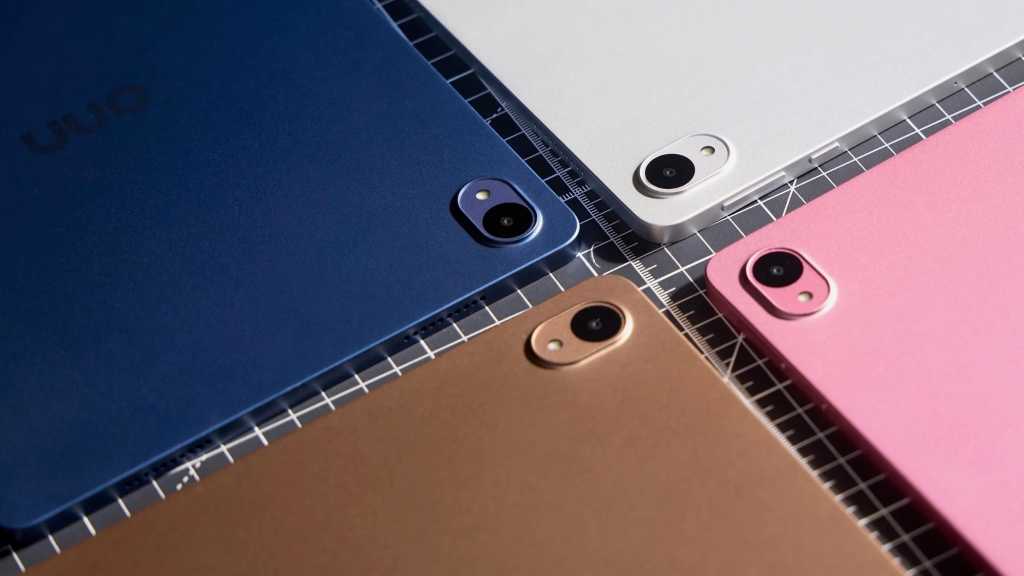
Table of Contents
The battle for the budget screen
For years, the entry-level tablet market in the United States has been a relatively predictable landscape. Samsung’s Galaxy Tab A series has long held a stronghold, providing a reliable, if uninspiring, baseline for consumers who need a device for basic media consumption without crossing the $400 threshold. However, Walmart is attempting to disrupt this status quo by aggressively expanding its house brand, Onn.
The retail giant has unveiled a sprawling new roster of six Android tablets, ranging from ultra-cheap 7-inch slates to a surprisingly competitive 13-inch “Pro” model. While house brands are often dismissed as mere clones of existing hardware, the sheer breadth of this rollout—and the aggressive pricing—suggests Walmart is positioning Onn as a legitimate alternative to Samsung’s Galaxy Tab A11 and A11+ lineups.
The Onn 13 Pro: A surprising value play
The centerpiece of the new lineup is undoubtedly the Onn 13 Pro. At $288, it represents a significant leap in ambition for the brand. The device features a 13-inch IPS LCD with a resolution of 2400 x 1600, pushing it into a size category typically reserved for more expensive productivity tablets. Under the hood, it runs on an unspecified 2.6GHz MediaTek processor paired with 8GB of RAM and 256GB of internal storage.
Perhaps the most striking detail isn’t the spec sheet, but the bundle. Walmart is including both a stylus and a protective case in the box. In an era where Apple and Samsung frequently charge an additional $99 for a pen, providing a full productivity kit under $300 is a direct shot at the Galaxy Tab A11’s value proposition. The inclusion of IP54 water and dust resistance further elevates the Pro model from a disposable toy to a piece of durable hardware.
Filling the gap for the casual user
Below the Pro model, Walmart is flooding the market with “Core” tablets designed for varying levels of portability and price sensitivity. The 11 Core Tablet, priced at $167, targets the sweet spot of the budget market with an 11-inch 1840 x 1280 display and a MediaTek Helio G99 chip. While its 2Mp front and 5Mp rear cameras are modest, the 6GB of RAM and microSD expansion make it a viable candidate for streaming and light browsing.
For those seeking a handheld experience, the 8.1 Core ($138) and 7 Core ($97) offer a more compact alternative. The 8.1-inch model utilizes a Snapdragon 685, which may offer slightly better efficiency than the Helio G80 found in the 7-inch version. At sub-$100, the 7 Core tablet is essentially a digital reader with a keyboard-adjacent form factor, catering to the absolute floor of the Android ecosystem.
The kid-proof segment
Recognizing that a significant portion of budget tablet sales are driven by parents, Walmart has also launched two kid-centric models. These aren’t just software skins; they arrive with heavy-duty bumper cases and integrated kickstands. Both include a 45-day subscription to ABC Mouse, signaling a move toward creating a software ecosystem that locks users into the Walmart experience from a young age.
The 11-inch kids’ model ($136) is surprisingly capable, featuring a MediaTek G88 and stylus support, while the 8-inch model ($118) offers a more manageable size for smaller hands, though its availability on the official website has remained inconsistent during the initial rollout phase.
A challenge to the established order
The strategy here is clear: saturation. By offering a device for every possible price point—from the $97 impulse buy to the $288 productivity tool—Walmart is removing the need for consumers to look toward Samsung or Amazon’s Fire tablets. While the Fire tablets are cheaper, they lack the full Google Play Store experience that the Onn lineup provides via Android 16.
The success of this move will likely depend on long-term software support. Historically, house-brand electronics have struggled with timely updates, often leaving devices on older versions of Android long after the hardware remains viable. If Walmart can maintain a consistent update cycle, the Galaxy Tab A series may find itself facing a much more aggressive competitor on the shelves of the world’s largest retailer.


