Velotric’s Discover M Tries to Solve the ‘Middle Ground’ Commuter Bike Problem
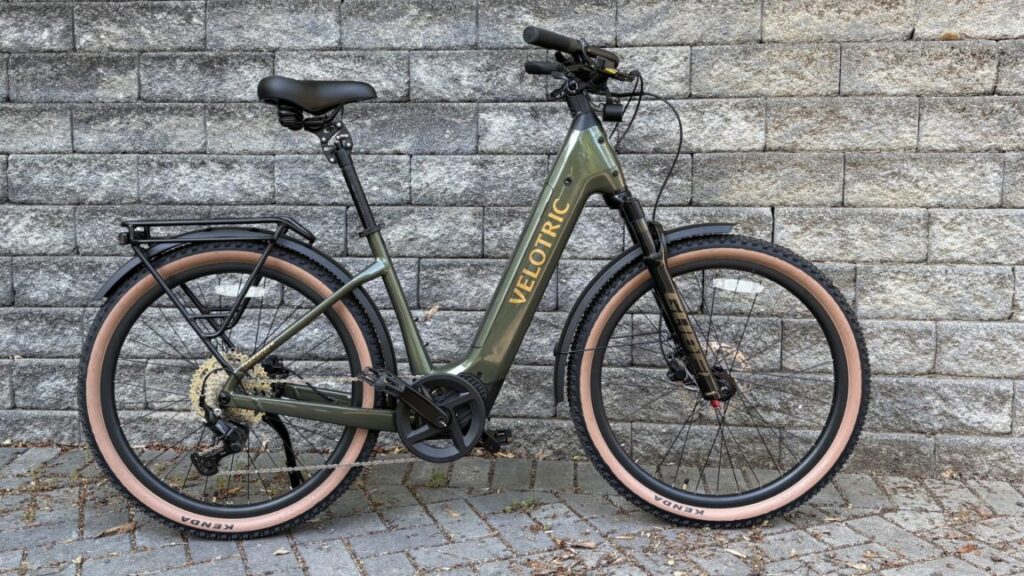
Table of Contents
Finding the Sweet Spot in Commuter Tech
Commuter bikes generally lack the extreme constraints of their siblings. They don’t need the rugged, shock-absorbing geometry of a mountain bike or the razor-thin aerodynamics of a professional road racer. In a perfect world, a commuter bike simply needs to be reliable, comfortable, and capable of getting a rider from point A to point B without unnecessary friction. Yet, for many riders, finding a model that hits this mark without costing as much as a used car has proven surprisingly difficult.
Most options fall into two distinct buckets: budget builds that feel like a collection of compromises, or high-end boutique machines that offer a flawless experience at a prohibitive price point. The Velotric Discover M arrives as an attempt to bridge that gap, positioning itself as an affordable yet sophisticated option retailing just under $2,500.
The Shift to Mid-Drive Power
Velotric has evolved significantly since the launch of the original Discover 1. While the first iteration was a promising entry-level effort, the Discover M signals a strategic move upmarket. The most notable change is the departure from the hub motor in favor of a mid-frame motor produced under contract for Velotric.
This hardware shift enables a more intuitive riding experience via a torque sensor. Unlike a cadence sensor—which simply detects if the pedals are spinning—the torque sensor measures exactly how much force the rider is applying to the cranks. The result is a seamless integration where the motor feels like a natural extension of the rider’s own legs rather than a mechanical push. For those who prefer a more passive experience, a cadence sensor remains available via the software menu, though the system warns that this mode drains the battery more quickly since it allows the motor to do the heavy lifting while the rider barely spins the pedals.
Navigating the Shimano Cues Ecosystem
The drivetrain has seen a similar upgrade, utilizing the new Shimano Cues system. Shimano has spent recent years rationalizing its component tiers, moving electronic shifting toward the high end and consolidating its entry-to-mid-level gear into the Cues line. While this consolidation has led some critics to fear a lack of specialization, in practice, it has removed many of the hallmarks of cheap e-bikes.
The Discover M replaces flimsy plastic shifters with tactile, reliable thumb triggers and an eight-speed rear range that mirrors a low-end mountain bike. This provides a significantly better experience than previous budget hardware, ensuring that riders aren’t spinning out their legs before hitting the bike’s rated top speed.
Solving the Class Conflict
One of the most frustrating aspects of the U.S. e-bike market is the patchwork of legal classifications. Class 1 bikes assist up to 20 mph (pedal-only); Class 2 bikes add a throttle (20 mph); and Class 3 bikes push the assist to 28 mph but forbid throttles. To circumvent this, many brands ship bikes that are technically in a legal gray area by including both Class 3 software and hardware throttles.
Velotric has opted for a cleaner, software-driven approach. If the bike is set to Class 1 or Class 3, the throttle is automatically disabled. While this is a logical solution, it is an uncommon one in the industry, occasionally leading riders to wonder if their hardware is defective when the throttle suddenly stops responding after a class switch.
The throttle itself is functional but lacks the punch of the pedal-assist; accelerating from a dead stop is generally faster by simply pushing hard into the pedals with high assist engaged. However, for those who want to maximize efficiency during a summer heatwave, the combination of the cadence sensor and a large gear ring allows for a low-effort cruise that outperforms the throttle alone.
Granular Control for the Urban Rider
What distinguishes the Discover M from its peers is the level of customization provided in the controller. Velotric allows riders to adjust the speed of any assist level up to its legal maximum. This means a user can cap Class 1 assist at 15 mph for low-speed urban zones while leaving other settings untouched. The inclusion of a dedicated physical button for switching classes on the fly makes these adjustments practical rather than just a menu-diving exercise.