US and Iran Exchange Strikes Near Hormuz as Trump Rejects Peace Pressure
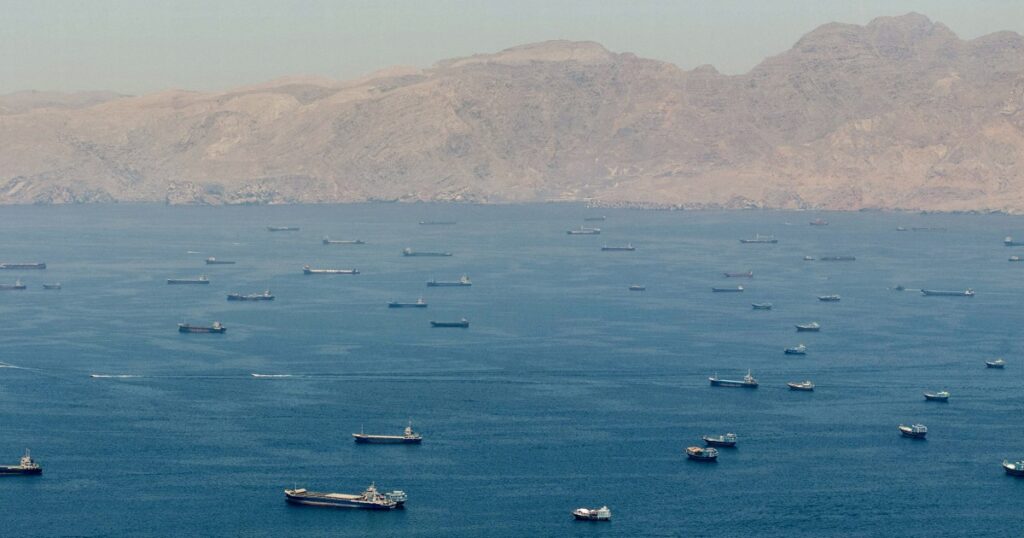
Table of Contents
Conflict Returns to the Strait of Hormuz
A fragile ceasefire between Washington and Tehran has effectively fractured following a series of military exchanges in the south of Iran and the surrounding waterways. The latest escalation, which occurred Wednesday and Thursday, marks the most significant breach of the peace agreement since it was enacted last month, reigniting fears that the strategic Strait of Hormuz—a chokepoint for roughly 20% of the world’s oil—could once again become a primary theater of war.
The volatility began Wednesday when U.S. forces intercepted and shot down four Iranian one-way attack drones. According to a U.S. military official, the operation expanded to include a strike on a ground control station located near the port city of Bandar Abbas. The Pentagon assessed the facility as a direct threat to U.S. personnel and commercial shipping, claiming a fifth drone was imminent for launch at the time of the strike.
The Iranian Response and Regional Spillover
Tehran responded swiftly. The Islamic Revolutionary Guard Corps (IRGC) announced that it had targeted a U.S. air base in retaliation, though the specific location of the base was not disclosed. While the U.S. has not officially confirmed a successful hit on its infrastructure, the conflict appeared to spill into neighboring Kuwait. The Kuwaiti military reported that its air defenses were activated to intercept “hostile missile and drone threats,” with explosions heard across the region.
Kuwait serves as a critical hub for U.S. operations, and its involvement underscores the precarious nature of the current security architecture in the Gulf. The IRGC has since warned that any further American incursions will be met with a “more decisive” response, placing the burden of escalation squarely on Washington.
Trump’s ‘Economic Fury’ Strategy
The military flare-up follows a blunt assessment from President Donald Trump, who indicated that he is in no rush to finalize a peace deal. Speaking at a Cabinet meeting, Trump dismissed the notion that economic pressure regarding the Strait of Hormuz or the political calendar of the upcoming midterm elections would dictate his timeline.
“The strait is going to be open to everybody,” Trump stated, asserting that no single entity would be permitted to control the waterway. His rhetoric suggests a willingness to maintain high-tension military readiness to force Iranian concessions, a strategy the administration has dubbed “Economic Fury.” This approach is now manifesting in the financial sector; the U.S. Treasury has imposed fresh sanctions on the newly formed Persian Gulf Strait Authority, an Iranian agency attempting to levy tolls of up to $2 million on transiting ships.
Treasury Secretary Scott Bessent described the tolling attempt as proof that the Iranian regime is “desperate for cash,” framing the military and economic strikes as complementary tools to break Tehran’s leverage.
Deadlocked Diplomacy and Frozen Assets
The breakdown in communication comes after reports of a potential breakthrough mediated by Qatar and Pakistan. Iranian state television had previously hinted at a memorandum of understanding where the U.S. would lift its naval blockade and withdraw forces in exchange for the restoration of pre-war shipping volumes. The White House has categorically rejected these reports, with Trump claiming Iran is “negotiating on fumes.”
Beyond the shipping lanes, a fundamental deadlock remains over the release of frozen Iranian assets. Ali Bagheri, deputy head of Iran’s Supreme National Security Council, insisted that the return of these funds is a “legitimate right of the Iranian people” and must occur without preconditions. With oil prices jumping approximately 3% following the latest strikes, the global market is now bracing for a prolonged stalemate where military skirmishes are the only consistent form of communication between the two powers.


