Ukraine’s Massive Drone Offensive on Moscow: Technical Scale and Strategic Shift in Energy Warfare
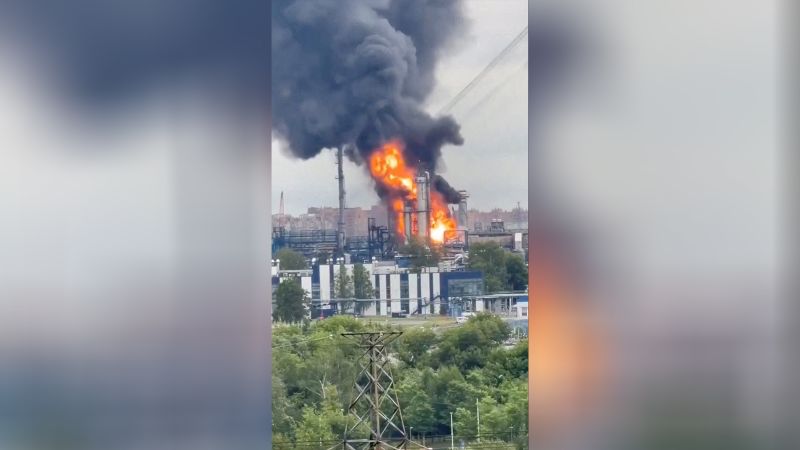
Table of Contents
The Scale of the Moscow Aerial Offensive
In a significant escalation of aerial warfare, Ukraine has executed its most expansive drone offensive against the Russian capital since the beginning of the full-scale invasion. According to reports from Moscow Mayor Sergei Sobyanin and the Russian Ministry of Defense, air defenses intercepted 194 drones over the capital alone—a number that dwarfs previous incursions, which typically saw drones in the double digits. This was not an isolated event but part of a broader coordinated campaign that saw 555 drones intercepted across various Russian regions, including the Sea of Azov.
- Unprecedented Volume: 194 drones targeted Moscow, marking the largest single-city attack of the conflict.
- Energy Targeting: The Moscow Oil Refinery in Kapotnya suffered direct hits, targeting Russia’s primary revenue stream.
- Strategic Timing: The strikes coincided with President Zelensky’s meetings with NATO leaders in Brussels.
- Symmetrical Response: Russia retaliated with a barrage of 239 drones and seven missiles across Kyiv and Poltava.
The Technical Target: The Kapotnya Oil Refinery
The primary objective of this offensive appears to be the systemic degradation of Russian energy infrastructure. Specifically, the Moscow Oil Refinery in Kapotnya, located just 15 kilometers from the Kremlin, became a focal point. Verified geolocated footage reveals a sophisticated attack pattern: the use of ground-launched projectiles to create distractions or breach outer perimeters, followed by the arrival of long-range drones.
The impact was visible and severe. Video evidence shows thick black smoke billowing from the facility, with one explosion powerful enough to blow the roof off a massive fuel tank. This is not merely symbolic; oil refineries are high-value, fragile targets. A single hit on a distillation column or a storage tank can take a facility offline for months, disrupting the domestic fuel supply and curbing the export capacity that funds the Russian war effort.
Understanding the Drone Swarm Tactic
The sheer number of drones (194 over Moscow) indicates a shift toward saturation attacks. By launching a high volume of low-cost unmanned aerial vehicles (UAVs) simultaneously, Ukraine aims to overwhelm the Russian S-400 and Pantsir air defense systems. When a system is saturated, the probability of “leakage”—where a few drones slip through the defensive screen—increases exponentially.
Economic Implications of Energy Warfare
Russia’s state budget is heavily reliant on hydrocarbon exports, with oil and gas earnings accounting for at least one-third of its total revenue. While Moscow has found alternative buyers through a “shadow fleet” and shifts toward Asian markets, the physical destruction of refining capacity creates a different kind of pressure.
| Impact Factor | Strategic Effect |
|---|---|
| Refining Capacity | Reduces ability to process crude into gasoline/diesel for military and civilian use. |
| Export Revenue | Forced reliance on crude exports over refined products, which often yield higher margins. |
| Psychological Impact | Demonstrates that the “heart” of the Russian state is vulnerable to low-cost tech. |
The NATO Context and the ‘Trump Factor’
The timing of these strikes is inextricably linked to diplomacy. President Volodymyr Zelensky’s arrival in Brussels for NATO meetings occurred just as the drones hit Moscow. This sequence suggests a strategy of kinetic diplomacy—demonstrating military capability and resolve at the exact moment allies are debating the level of support Ukraine requires.
The discourse within NATO is currently fragmented. US Defense Secretary Pete Hegseth has announced a six-month review of the US “force posture in Europe,” signaling a potential drawdown of aircraft and warships. This shift is intended to force European nations to take more responsibility for their own defense. Meanwhile, NATO Secretary General Mark Rutte has emphasized that discussions continue to ensure Ukraine has the missile interceptors and weapons systems necessary to maintain this offensive tempo.
Adding to the complexity is the stance of US President Donald Trump. While he has encouraged a deal to end the war, citing the tremendous loss of life on both sides, Zelensky claims that Trump has received suggestions on air defense capabilities positively. This tension between the desire for a quick diplomatic exit and the need for sustained military hardware is the defining contradiction of current Western support.
What This Means for the Conflict
For the average observer, this attack signals a transition in the war’s geography. The conflict is no longer confined to the Donbas or the southern steppes; it is now a war of attrition that directly touches the Russian metropolitan center. By targeting the Kapotnya refinery and other depots in the Rostov region, Ukraine is attempting to shift the cost of the war onto the Russian domestic economy.
From a technical perspective, this marks the maturation of Ukraine’s domestic drone program. The ability to coordinate over 500 drones across multiple fronts requires sophisticated C2 (Command and Control) capabilities and an understanding of Russian radar blind spots. It proves that sanctions on high-end chips are being bypassed by the agility of drone startups and military engineers.
Frequently Asked Questions
How did Ukraine launch so many drones into Moscow?
Ukraine utilizes a combination of long-range ‘kamikaze’ drones and modified UAVs. By launching them in “swarms” from multiple directions, they attempt to saturate Russian air defenses, making it impossible for operators to track every single target simultaneously.
What is the significance of the Kapotnya refinery?
The Kapotnya refinery is critical because of its proximity to Moscow. Disrupting fuel supplies to the capital creates immediate logistical headaches for the Russian government and serves as a powerful psychological signal to the population.
Are these attacks legal under international law?
Ukraine frames these strikes as “justified responses” to Russian attacks on its own civilian and energy infrastructure. Under the principle of proportionality and military necessity, Ukraine argues that energy facilities funding the war effort are legitimate targets.
Why is the US reviewing its force posture in Europe?
The Trump administration is seeking to reduce the financial and military burden on the US by requiring NATO allies to meet their defense spending targets. This is a strategic push to move from a US-led defense model to a more balanced European-led one.
How does Russia respond to these drone swarms?
Russia employs Electronic Warfare (EW) to jam GPS signals and uses surface-to-air missiles (SAMs). However, the high volume of low-cost drones makes this an expensive and often inefficient defensive strategy.