Ubisoft’s Pivot to Feudal Japan: How Assassin’s Creed Shadows Splits the Protagonist Equation
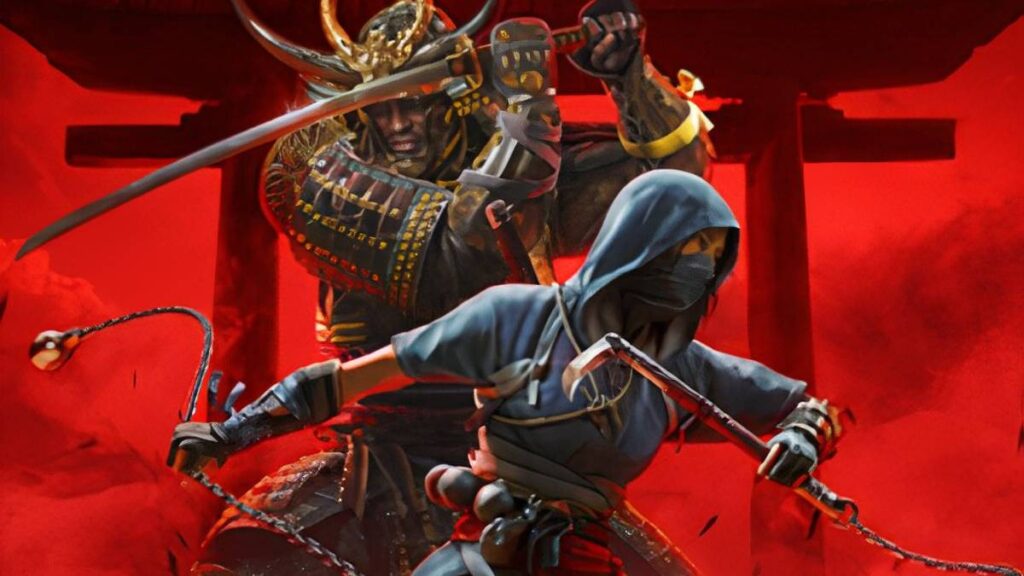
Table of Contents
A Strategic Shift in Perspective
For years, the gaming community has clamored for a trip to feudal Japan, a setting that seems tailor-made for the Assassin’s Creed franchise’s blend of parkour and political intrigue. With the release of Assassin’s Creed Shadows, Ubisoft hasn’t just delivered the requested setting; they’ve fundamentally altered the series’ approach to character dynamics by introducing a dual-protagonist system that forces players to shift their tactical mindset entirely.
Unlike previous entries that offered a single, evolving skill tree, Shadows splits its narrative and mechanical identity between two unlikely allies: Naoe, a shinobi Assassin, and Yasuke, a legendary samurai. This isn’t a simple cosmetic swap. The two characters operate on entirely different logic systems, effectively giving the player two different games within a single open world.
The Dichotomy of Steel and Shadow
Naoe represents the traditional DNA of the franchise. Her gameplay is centered on agility, avoidance, and the precision of the strike. For those who prefer the high-tension loop of avoiding detection and utilizing the environment to vanish, Naoe provides the quintessential shinobi experience. Her progression focuses on stealth tools and mobility, allowing players to navigate the sprawling castle towns and shrines of Japan without ever being seen.
Then there is Yasuke. By incorporating the historical figure of the African samurai, Ubisoft has introduced a power fantasy that deviates from the series’ usual stealth-first mandate. Yasuke’s approach is one of lethal precision and overwhelming force. Where Naoe avoids the fight, Yasuke dictates it. The shift in weight and momentum is palpable; the player moves from the nimble, verticality-focused movement of a spy to the grounded, devastating strikes of a warrior.
Dynamic Environments and the ‘Shinobi League’
One of the most technically ambitious aspects of Shadows is the reactive world. The environment isn’t just a backdrop; it’s a mechanical participant. The introduction of unpredictable weather and changing seasons affects how NPCs behave and how the player interacts with the terrain. A sudden rainstorm or a shift in season can alter sightlines and sound dampening, adding a layer of systemic complexity that was missing in earlier, more static entries.
Beyond the combat, Ubisoft has introduced a management layer through the ‘Shinobi League.’ Players can build and customize a hideout, which serves as a hub for training crews and crafting gear. This adds a strategic dimension to the game, turning the experience from a simple assassination tour into a broader operation of intelligence gathering and network building. By recruiting spies and allies, the player transforms the world map into a web of information, making knowledge a primary weapon before the first blade is even drawn.
A Return to Form?
Early critical reception, including a strong 9/10 from GameRant, suggests that this tighter focus on a specific historical era and the dual-protagonist gimmick has worked. By narrowing the scope and deepening the mechanical divide between Naoe and Yasuke, Ubisoft has managed to steer away from the bloated, overly generic feel of some recent RPG-heavy titles in the series.
Available on PlayStation 5, Xbox Series X|S, and PC, Assassin’s Creed Shadows feels like a calculated risk that pays off. It replaces the wide-net approach of previous titles with a more curated, intense experience that respects both the history of the samurai and the mythology of the shinobi.