Uber and Wayve Bet Big on London as the Robotaxi War Crosses the Atlantic
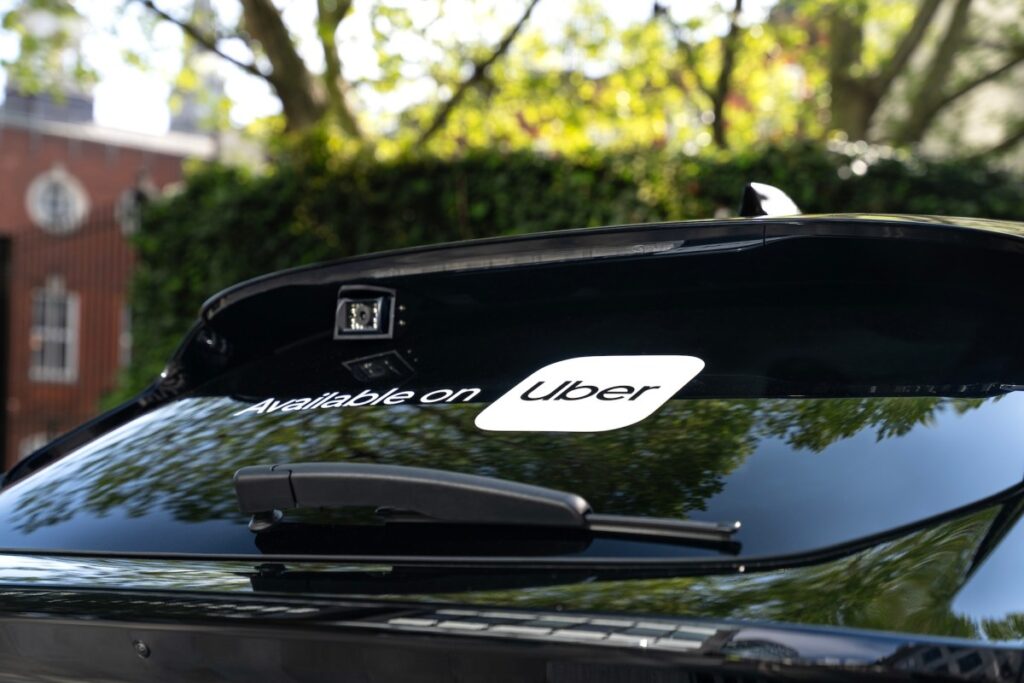
Table of Contents
A New Battleground for Autonomous Mobility
Uber is officially laying the groundwork for a robotaxi offensive in London, signaling a shift from mere partnership to direct competition in the autonomous vehicle (AV) space. The ride-hailing giant has launched an interest list for UK customers, allowing them to opt-in for matches with vehicles powered by Wayve, a London-based AI driving startup. To mark the occasion, Uber unveiled a branded, black Ford Mustang Mach-E integrated with Wayve’s software, serving as a physical manifestation of the partnership.
While Wayve provides the “brain” of the vehicle, Uber is focusing on the user experience. The interior has been redesigned with interactive touchscreens supporting 64 languages, ensuring that the transition from a human-driven Uber to an autonomous one feels seamless for a global city’s diverse population. The service is slated to launch in the coming months, though it remains tethered to the timeline of UK regulatory approval.
The Waymo Friction
The move puts Uber on a collision course with Waymo, Alphabet’s self-driving subsidiary and the current gold standard for robotaxis in the U.S. Waymo is already active in London, having deployed approximately 100 Jaguar I-Pace vehicles across a 100-square-mile testing zone since April. Unlike Uber’s current setup, Waymo’s London presence has remained largely in a testing phase with safety operators behind the wheel.
This rivalry is particularly nuanced because Uber and Waymo are simultaneously partners in the United States. In cities like Phoenix, Austin, and Atlanta, Waymo vehicles are available via the Uber app. However, the relationship is clearly strained. In Phoenix, Waymo maintains its own independent app, allowing users to bypass Uber entirely—a strategic independence that likely irritates Uber’s leadership.
The tension has spilled over into public discourse. Uber CTO Praveen Neppalli recently took to X (formerly Twitter) to share a video of a Waymo vehicle exhibiting erratic behavior, labeling the incident “scary.” Such public critiques are rare for business partners and suggest that Uber is no longer content being just a distribution channel for other companies’ AV tech.
Diversifying the AV Portfolio
Uber’s strategy is evolving into a multi-pronged approach. The company recently established two new internal units: AV Labs, focusing on the data side of autonomous driving, and Uber Autonomous Solutions, which manages the operational deployment of these fleets. By diversifying its bets, Uber is attempting to avoid dependence on any single provider.
The financial commitment to Wayve is substantial. The UK startup recently raised $1.2 billion, with Uber acting as a return investor. This funding could potentially grow by another $300 million, contingent upon the successful deployment of robotaxis in London. This capital injection positions Wayve as a primary alternative to the American hegemony of Waymo and Tesla’s nascent Cybercab ambitions.
The Regulatory Hurdle
Despite the corporate maneuvering, the actual rollout depends on the UK government’s pace. The Department for Transport is currently refining autonomous vehicle regulations, utilizing a pilot program that opened for applications in May. The government has indicated that the lessons learned from these pilots will dictate the final legal framework for driverless operations.
Until then, the “robotaxi showdown” will remain in a hybrid state. Both Uber-Wayve and Waymo vehicles will operate with human safety drivers. For the consumer, the transition is being eased through the app: users can select “autonomous vehicles” in their rider preferences but retain the right to decline an AV match in favor of a human driver, effectively treating the technology as an opt-in experiment rather than a mandatory shift.


