U.S. Push for Kenyan Ebola Quarantine Center Hits Legal Wall Amid Deadly Protests
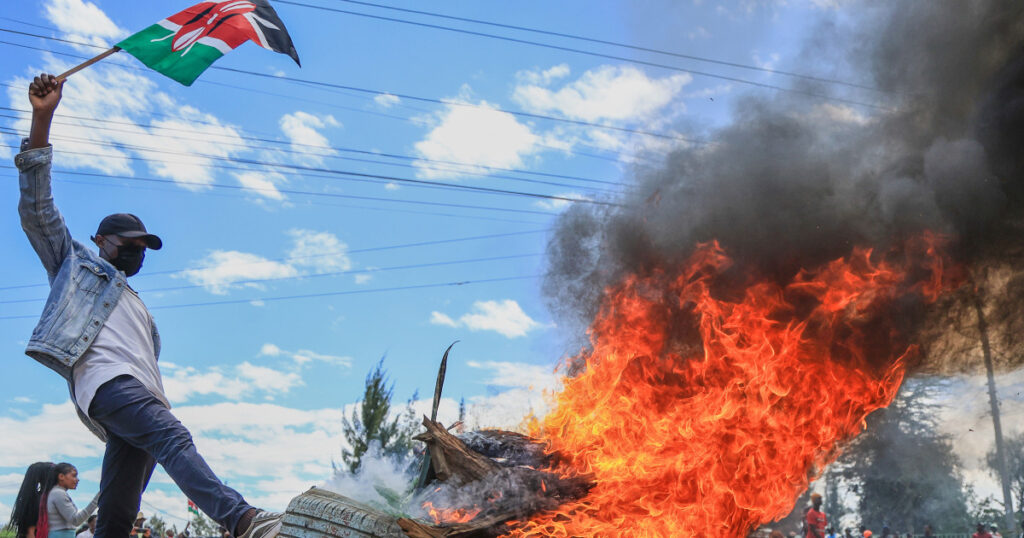
Table of Contents
A Legal Deadlock in Laikipia
The Trump administration’s strategy to isolate Americans exposed to Ebola outside of U.S. borders has collided with Kenyan judicial authority and public unrest. A Kenyan high court judge issued an order Tuesday barring the government from proceeding with the construction or operation of a proposed 50-bed quarantine facility at the Laikipia air base, effectively freezing a cornerstone of Washington’s current containment strategy.
The legal intervention comes as the central town of Nanyuki and surrounding areas descend into chaos. Protests against the facility escalated Monday, with reports of police deploying tear gas to disperse crowds. The volatility of the situation is underscored by claims from protest organizer Patrick Wahome, who told Reuters that two individuals died from gunshot wounds during the clashes—though local health officials and police have yet to formally confirm the fatalities.
The Bundibugyo Strain and the Treatment Gap
The urgency behind the facility is driven by an outbreak of the rare Bundibugyo strain of Ebola, which has migrated from the Democratic Republic of the Congo (DRC) into Uganda. Unlike some other Ebola variants, the Bundibugyo strain lacks a known vaccine or standardized treatment, making the management of exposed individuals a high-stakes logistical challenge.
According to the World Health Organization (WHO), the outbreak has seen significant volatility in case numbers. While hundreds of suspected cases were recently ruled out, the agency confirmed 321 cases in Congo and a growing tally in Uganda. Most recently, the Ugandan Health Ministry confirmed six new cases, bringing their national total to 15. With 48 confirmed deaths in Congo alone, the lack of an available vaccine has pushed the U.S. toward a policy of total exclusion.
A Departure from 2014 Protocol
The White House has taken a hardline stance, stating it “cannot and will not allow” any infected or exposed cases to enter the United States. This represents a sharp pivot from the 2014 Ebola crisis, during which several American patients were repatriated and treated in specialized U.S. biocontainment units.
The current administration argues that a facility in Kenya would eliminate the time-consuming and risky process of medical evacuation. However, this logic has sparked a rebellion among the U.S. medical community. In an open letter to Congress, a group of prominent healthcare officials—including epidemiologist Anne Schuchat and physicians Krutika Kuppalli, Debra Houry, and Craig Spencer—called the plan a “dangerous precedent.”
The experts argue that the U.S. already possesses a sophisticated network of infectious disease centers designed precisely for these scenarios. By outsourcing the quarantine of its own citizens, the letter suggests the administration is ignoring existing clinical infrastructure and creating unnecessary operational and ethical risks.
Diplomatic Tension vs. Local Outrage
President William Ruto has remained a staunch defender of the agreement, framing the 50-bed center as a component of a broader national preparedness system. In a post on X, Ruto emphasized that the facility is a result of a 40-year partnership with the U.S., claiming that the center would ultimately benefit Kenya’s own health infrastructure in the event of a domestic outbreak.
Despite the U.S. pledging $13.5 million to support the partnership, the financial incentive has failed to quiet the fears of local residents who worry the facility could inadvertently fuel a localized epidemic. For now, the court’s injunction leaves the project in limbo, leaving the Trump administration without a designated overseas hub for its “zero-entry” health policy while the Bundibugyo strain continues to spread across East Africa.