Trump Presses Netanyahu to Halt Beirut Offensive as Iran Ceasefire Talks Teeter
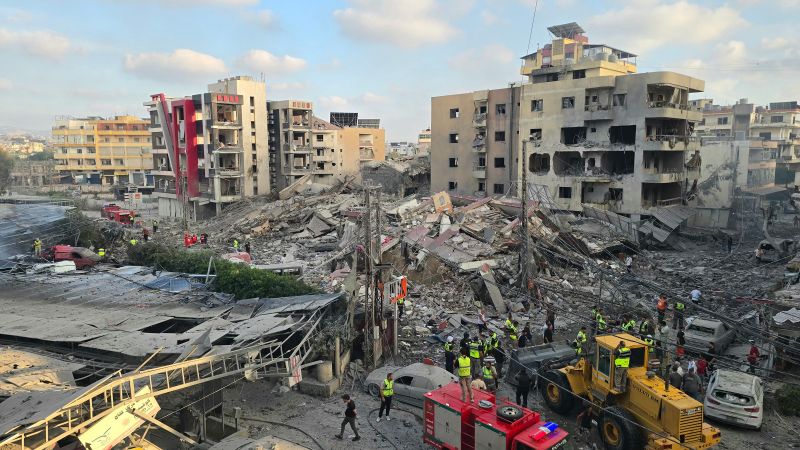
Table of Contents
A Fragile Truce in the Levant
The volatile border between Israel and southern Lebanon remained a theater of active combat overnight, with Hezbollah and the Israeli Defense Forces (IDF) continuing a relentless exchange of strikes despite escalating diplomatic pressure from Washington. The kinetic activity comes at a critical juncture as delegations from both nations prepare for a new round of talks aimed at stemming the tide of a regional escalation that threatens to dismantle months of delicate back-channel diplomacy.
Local authorities in Lebanon indicate that Hezbollah has tentatively agreed to a U.S.-brokered proposal for a ceasefire. The centerpiece of this agreement is a commitment to halt strikes on Beirut, a move intended to lower the temperature in the Lebanese capital and provide a diplomatic window for the IDF to scale back its offensive in the south.
The Friction Between Trump and Netanyahu
Behind the scenes, the relationship between the White House and the Israeli Prime Minister’s office is showing significant strain. Sources close to the administration describe a “heated” phone call between President Donald Trump and Prime Minister Benjamin Netanyahu, during which the U.S. president explicitly pressed Israel to curb its military operations in Lebanon.
The friction stems from a strategic misalignment: while Netanyahu seeks to degrade Hezbollah’s capabilities fundamentally, Trump views the continued offensive as a direct threat to a broader, more ambitious geopolitical objective. The President’s primary concern is that a full-scale assault on Beirut or an uncontrolled expansion of the war in Lebanon would effectively torpedo ongoing negotiations with Tehran.
Following the call, President Trump declared that Israeli forces would not move on Beirut, signaling a clear red line from the U.S. executive branch. This intervention highlights the precarious balancing act the U.S. is performing—maintaining a strong security partnership with Israel while attempting to architect a regional stability pact that includes Iran.
The Iran Variable and the Strait of Hormuz
The stakes of the Lebanon conflict extend far beyond the borders of the Levant. For the Trump administration, the Lebanon offensive is a variable in a much larger equation involving the Strait of Hormuz and a potential long-term ceasefire with Iran. The Strait, a critical chokepoint for global oil shipments, has been a primary point of contention in the U.S.-Iran dialogue.
In an interview with ABC News, President Trump expressed optimism, stating his belief that a comprehensive deal to reopen the Strait of Hormuz and extend a ceasefire with Iran is reachable “over the next week.” This optimism comes despite conflicting reports from the region. Only a day prior, reports surfaced that Iran had suspended negotiations entirely in protest of Israel’s offensive in Lebanon.
However, current reports from Iranian media suggest a shift in posture, indicating that a final draft proposal is currently under review. This suggests that Tehran is continuing to engage with the U.S. framework, even as its proxies in Lebanon remain engaged in combat with the IDF.
Strategic Implications of the Review
The review of the Iranian proposal marks a pivotal moment. If the U.S. can successfully decouple the Israel-Hezbollah conflict from the broader Iran-U.S. negotiations, it may achieve a rare diplomatic win that secures energy transit and prevents a general regional war. However, the volatility of the situation in southern Lebanon suggests that the “ground truth” is still moving faster than the diplomats can keep up with.
For now, the eyes of the international community remain on the forthcoming delegations. The success of these talks depends not only on the agreement between Israel and Hezbollah but on whether the pressure from Washington can keep Netanyahu’s military objectives in check long enough for a formal Iranian signature on a ceasefire agreement.