Trump Orders Early Federal Access to Frontier AI Models in New National Security Push
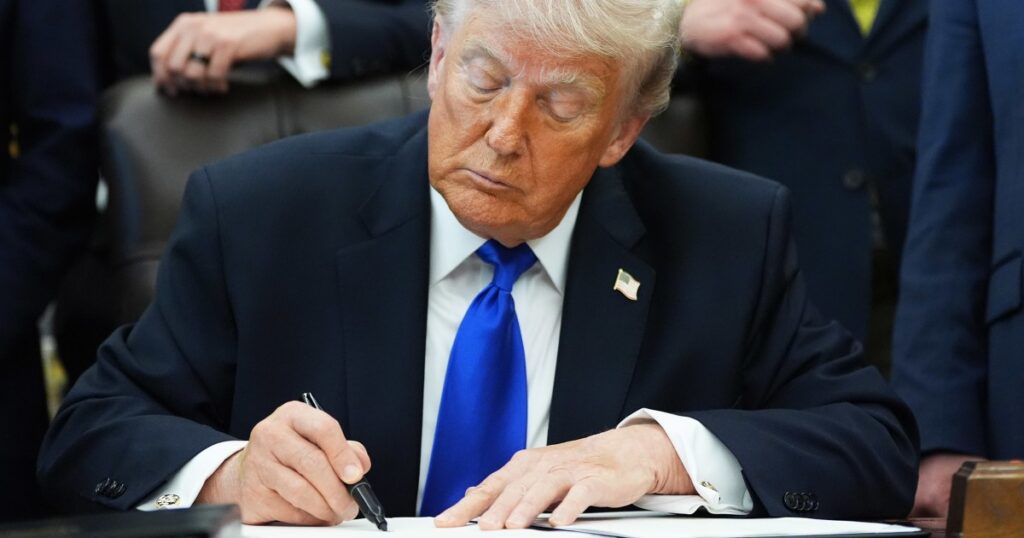
Table of Contents
A Voluntary Buffer Against Frontier Risks
President Donald Trump has signed an executive order aimed at bridging the gap between the rapid release cycles of private AI laboratories and the federal government’s ability to assess national security risks. The order requests that leading AI developers grant federal agencies early access to their most powerful models for vetting and review before they are deployed to the general public.
Under the new directive, the administration is seeking a window of up to 30 days before a model is released to other “trusted partners.” This window is designed to allow the Pentagon, the Treasury Department, and the Cybersecurity and Infrastructure Security Agency (CISA) to stress-test systems for vulnerabilities that could compromise critical infrastructure or national defense.
Crucially, the order is framed as a request for voluntary collaboration rather than a regulatory mandate. The text explicitly prohibits the creation of a mandatory licensing regime or a pre-clearance requirement, a distinction that appears intended to soothe concerns within Silicon Valley regarding government overreach and the slowing of innovation.
The ‘Mythos’ Catalyst
The urgency behind the order stems from a growing realization within Washington that AI capabilities are evolving faster than government procurement or safety protocols can keep up. Industry insiders point to the recent release of Anthropic’s Mythos Preview as a pivotal moment for the administration. The model demonstrated a sophisticated, almost superhuman ability to identify critical vulnerabilities in widely used operating systems—capabilities that, if weaponized, could potentially bypass current cybersecurity defenses.
This technical leap has shifted the conversation among key administration figures. Treasury Secretary Scott Bessent and Vice President JD Vance have reportedly become more focused on the intersection of AI spread and economic security, viewing the uncontrolled release of “frontier” capabilities as a systemic risk to the U.S. financial and digital infrastructure.
Balancing Security and the ‘China Lead’
The path to this order was not linear. Sources familiar with the process indicate that the order was nearly signed in late May, with tech CEOs invited to the White House and a press briefing already scheduled. However, President Trump pivoted at the final moment, reportedly fearing that any perceived regulatory friction would hamper the competitive edge of American firms against Chinese rivals.
“We’re leading China, we’re leading everybody, and I don’t want to do anything that’s going to get in the way of that lead,” Trump stated at the time of the initial delay. The final version of the order reflects this tension, emphasizing that the government will work with industry to ensure secure deployment rather than imposing a bottleneck that could be exploited by overseas competitors.
Operational Implications for AI Labs
For companies like OpenAI, Google, and Anthropic, the order creates a new expectation of transparency. While the voluntary nature of the request means companies can technically opt-out, the political cost of refusing the Pentagon or CISA during a period of heightened national security concern is significant.
The 30-day window serves as a strategic buffer, allowing the government to develop counter-measures or patches for vulnerabilities discovered during the vetting process. If the government identifies a severe risk, the current framework relies on the company’s willingness to modify the model or implement additional safeguards before the public launch.
As the administration seeks to deploy the “best and most secure technology” rapidly, the success of this order will depend on whether the private sector views this as a helpful partnership or a precursor to more stringent oversight.