The Witcher 3’s Enduring Legacy: How CD Projekt Red Defined the Modern Open World
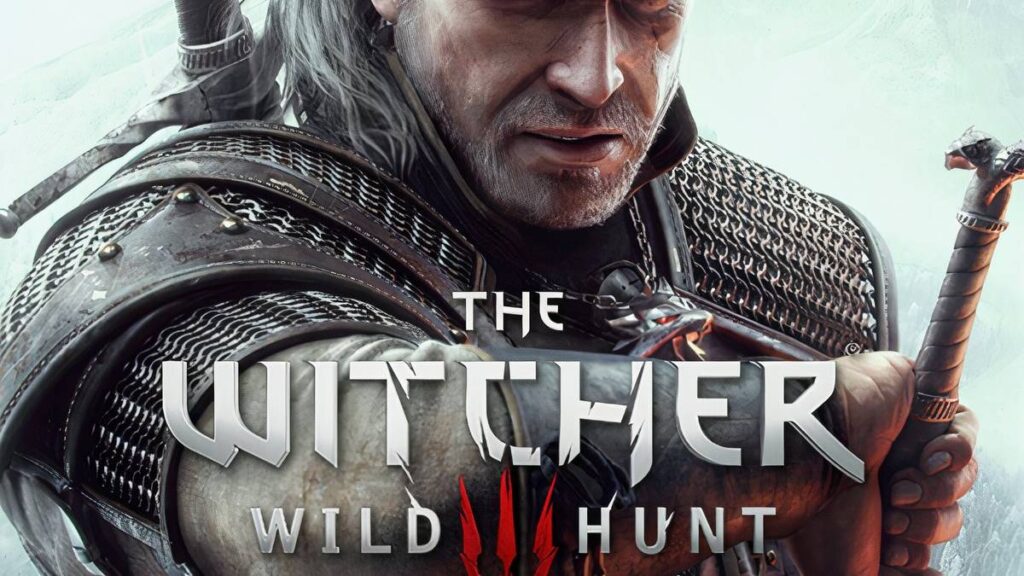
Table of Contents
Beyond the Monster Hunt
When CD Projekt Red released The Witcher 3: Wild Hunt, the industry was already well-acquainted with the open-world formula. Map markers, repetitive fetch quests, and vast, empty landscapes had become the standard. However, the story of Geralt of Rivia didn’t just iterate on those tropes; it dismantled them, replacing mechanical checklists with narrative weight.
The game casts the player as a professional monster slayer, but the core of the experience isn’t actually the combat. Instead, it is the friction between the world’s oppressive political climate and Geralt’s perceived neutrality. By focusing on the search for Ciri—the Child of Prophecy—the developers anchored a massive, sprawling continent to a personal, high-stakes emotional core, preventing the open world from feeling like a mere sandbox of distractions.
The Technicality of Choice
What separates The Witcher 3 from its contemporaries is the implementation of moral ambiguity. Unlike many RPGs of its era that utilized a binary ‘Good vs. Evil’ morality meter, CD Projekt Red opted for a system of consequentialism. Decisions made in a side quest in the first ten hours could ripple forward to alter the political landscape of the entire game world dozens of hours later.
This approach demanded a level of writing and scripting complexity rarely seen in 2015. The game required the engine to track an immense web of variables, ensuring that the world felt reactive. Whether dealing with corrupt royalty or treasonous generals, the player is rarely given a ‘correct’ answer, only a choice between two flawed outcomes. This psychological depth transformed the game from a standard action-RPG into a study of gray areas.
Cross-Platform Evolution
The game’s technical journey is equally telling. Originally a flagship title for the PlayStation 4 and Xbox One, it has since migrated across nearly every modern piece of gaming hardware. The port to the Nintendo Switch was a particular feat of engineering, squeezing a massive, asset-heavy world into the limited overhead of a handheld device.
With the arrival of the PlayStation 5 and Xbox Series X, the title underwent a ‘Next-Gen’ update, introducing ray tracing and higher frame rates. This transition highlights a broader trend in software longevity: the ability of a well-designed game to scale across hardware generations without losing its identity. The refinement of its combat systems—utilizing upgradeable weaponry, alchemical potions, and combat magic—remains satisfying even by today’s standards, proving that core gameplay loops grounded in logic and preparation age better than those relying on spectacle alone.
A Benchmark for the Industry
Critically, the game earned a near-universal acclaim, with outlets like GameRant awarding it a 9/10 and positioning it as a definitive Game of the Year contender. While some critics pointed to early clunkiness in the movement and UI, the sheer depth of the world—from the dwarven smiths in bustling cities to the supernatural predators in the backcountry—overshadowed the technical hiccups.
The influence of Geralt’s journey can be seen in the current generation of RPGs, where the emphasis has shifted toward environmental storytelling and high-fidelity character interactions. By proving that players were willing to engage with complex, adult themes and non-linear narratives, CD Projekt Red shifted the expectations for what an ‘AAA’ experience should be.


