The Witcher 3: Wild Hunt Still Defines the Open-World Standard Nearly a Decade Later
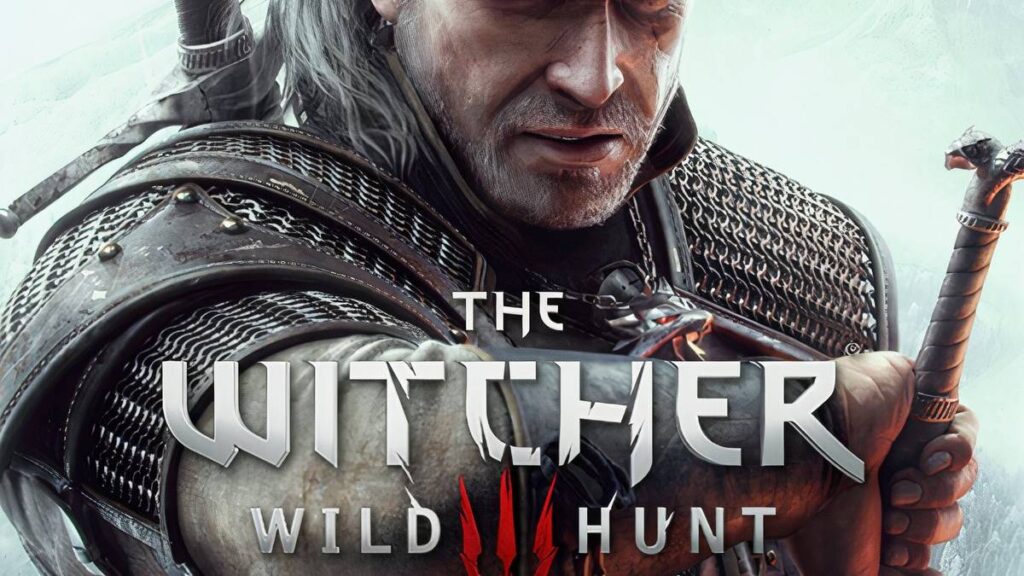
Table of Contents
The Blueprint for Modern Quest Design
When CD Projekt Red released The Witcher 3: Wild Hunt, the industry was saturated with open-world titles that relied heavily on ‘checklist’ gameplay—repetitive tasks designed to pad out map size. Instead, the Polish studio introduced a narrative density that felt organic. By casting the player as Geralt of Rivia, a professional monster slayer for hire, the game successfully integrated its mechanical loop (hunting and upgrading) with a world that felt lived-in and indifferent to the player’s presence.
The brilliance of the title lies in its refusal to categorize quests as simply ‘main’ or ‘side.’ In the world of the Continent, a minor contract to clear a cellar of pests often spirals into a complex political drama or a moral tragedy. This approach forced a shift in how players interact with NPCs, moving away from the static quest-givers seen in earlier RPGs toward characters with their own agendas and shifting loyalties.
Mechanical Depth and the Witcher’s Toolkit
From a technical standpoint, the game balances the visceral thrill of combat with strategic preparation. Players aren’t just swinging steel; they are managing a chemistry set of mutating potions and combat magic. The requirement to research a monster’s weakness before engaging—using the in-game bestiary—transformed combat from a button-mashing exercise into a tactical encounter. This layer of simulation added a level of immersion that few of its contemporaries could match.
The progression system reinforces this professional fantasy. Rewards from contracts aren’t just currency for the sake of leveling up; they are invested into custom armor and upgradeable weaponry, allowing the player to feel the physical evolution of Geralt as he tracks Ciri, the Child of Prophecy. Even the peripheral activities, such as the addictive Gwent card game or the brutality of fist-fighting, serve to ground the player in the social fabric of this war-torn land.
Navigating Moral Ambiguity
Unlike many RPGs that utilize a binary ‘good vs. evil’ morality meter, The Witcher 3 operates in a grey area. The choices presented to the player are rarely between a right and wrong answer, but rather between two varying degrees of failure or unexpected consequences. This design philosophy ensures that the narrative remains unpredictable, as the long-term effects of a decision may not manifest until hours later in the game clock.
This moral complexity is mirrored in the environmental storytelling. Whether traversing the forgotten ruins of a coastal shipwreck or navigating the corrupt courts of royalty, the world reflects a society collapsing under the weight of war and supernatural infestation. It is a world where the ‘hero’ is often just the person who chooses the least terrible option.
Cross-Platform Accessibility and Legacy
The game’s ubiquity is evidenced by its expansive availability, spanning from the Nintendo Switch and PC to the PlayStation and Xbox ecosystems, including the latest generation of hardware. While early reviews—including a notable 9/10 from GameRant—acknowledged minor flaws in its 2015 launch, these technical hiccups have been largely overshadowed by the sheer scale of its ambition.
By synthesizing a deep, novelistic narrative with a massive, interactive landscape, CD Projekt Red didn’t just create a successful game; they established a new benchmark for the industry. The influence of The Witcher 3 can be seen in nearly every major open-world title that has followed, proving that players are willing to engage with complex, adult themes if they are woven seamlessly into the gameplay loop.