The Witcher 3: Wild Hunt and the Architecture of the Modern Open World
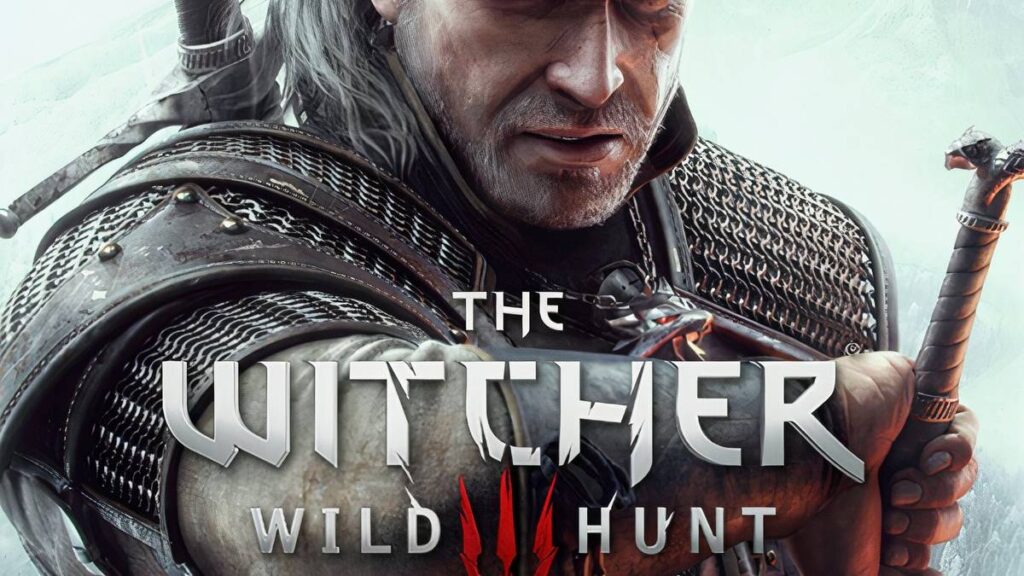
Table of Contents
Redefining the Open World Standard
When CD Projekt Red released The Witcher 3: Wild Hunt, it didn’t just deliver a sprawling fantasy epic; it fundamentally shifted the industry’s approach to quest design. For years, the open-world genre had been dominated by ‘checklist’ gameplay—map markers that led to repetitive tasks and superficial interactions. The Witcher 3 dismantled this pattern by treating side content not as filler, but as essential world-building.
Players step into the boots of Geralt of Rivia, a genetically mutated mercenary specializing in the eradication of monsters. While the central narrative focuses on the search for Ciri, the Child of Prophecy, the game’s true strength lies in its peripheral storytelling. A simple contract to kill a noonwraith often spirals into a complex study of grief, betrayal, or political corruption, ensuring that the player’s curiosity is rewarded with narrative depth rather than just loot.
The Mechanics of the Hunt
The gameplay loop is built around the professional life of a Witcher. This isn’t just about swinging a silver sword; it’s a tactical process of investigation. Players must track scents, examine footprints, and utilize a Bestiary to identify a monster’s weaknesses before engaging. This layer of preparation—brewing specific potions and applying oils to weaponry—adds a strategic weight to the combat that separates it from standard action-RPGs.
The technical ambition of the title is evident in its environmental diversity. From the war-torn marshes of Velen to the bustling, Mediterranean-inspired streets of Novigrad and the rugged peaks of Skellige, the world feels lived-in. The integration of these locales is seamless, allowing players to transition from high-stakes political maneuvering with corrupt royalty to isolated monster hunts in forgotten ruins without losing the sense of immersion.
Moral Ambiguity as a Feature
Unlike many of its contemporaries, The Witcher 3 avoids the binary ‘Good vs. Evil’ morality system. Instead, it leans into the ‘lesser evil’ philosophy. Choices made in the early hours of the game can have cascading effects that manifest dozens of hours later, often in ways that are neither clearly right nor wrong. This design choice forces players to engage with the world critically, knowing that a decision to help a village might inadvertently lead to a local massacre.
This narrative complexity is bolstered by the game’s commitment to adult themes. The inclusion of strong language, intense violence, and mature interpersonal dynamics isn’t for shock value; it serves to ground the fantasy world in a gritty, recognizable reality. It reflects a world where war is not a heroic adventure, but a devastating force that leaves refugees in its wake and opportunists in power.
Cross-Platform Accessibility and Longevity
The game’s reach has expanded significantly since its 2015 debut. Originally a powerhouse on the PlayStation 4 and Xbox One, it has since been ported to the Nintendo Switch and received comprehensive next-gen updates for the PlayStation 5 and Xbox Series X. These versions have refined the experience, introducing higher fidelity textures and improved frame rates that make the Continent feel more vivid than ever.
Even years after its release, The Witcher 3 remains a benchmark for narrative-driven software. Its influence can be seen in subsequent titles that prioritize organic discovery over guided waypoints. By focusing on character-driven storytelling and consequence-based world building, CD Projekt Red created more than a game—they established a blueprint for how digital worlds should breathe and react.