The War of Attrition: Russia’s Massive Drone Swarm Tests Ukrainian Air Defenses
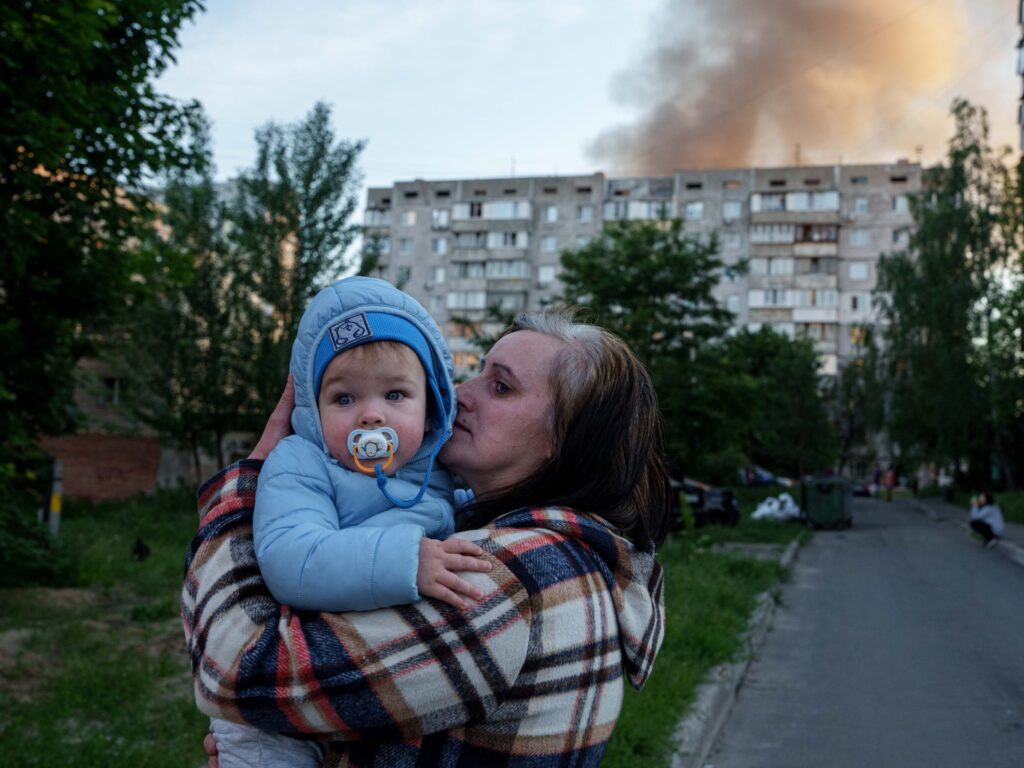
Table of Contents
Saturation Tactics: The Scale of the Overnight Assault
In one of the most concentrated aerial displays of the conflict to date, Russian forces launched a staggering 656 drones and 73 missiles across Ukraine overnight. While the Ukrainian Air Force reported a high interception rate—destroying 602 drones and 40 missiles—the sheer volume of the attack underscores a shift toward saturation tactics designed to overwhelm localized air defense grids.
The assault focused heavily on the capital city of Kyiv, alongside Dnipro, Poltava, Kharkiv, and Zaporizhzhia. The human cost was immediate: at least 22 people were killed, including children, with the Dnipropetrovsk region bearing the brunt of the casualties. In Kyiv, Mayor Vitali Klitschko confirmed six deaths, noting that the city had seen its second massive strike in just ten days.
The Technical Gap in Ballistic Interception
Despite the impressive drone kill count, the casualties highlight a recurring technical vulnerability in Ukraine’s defensive posture: the interception of high-velocity ballistic missiles. While Shahed-style drones are slower and more susceptible to electronic warfare or short-range interceptors, ballistic missiles require sophisticated, high-altitude tracking and interception capabilities that are currently in short supply.
President Volodymyr Zelenskyy has explicitly linked this vulnerability to a need for increased US support, specifically calling for more missiles for the Patriot systems. The Patriot, a sophisticated surface-to-air missile (SAM) system, is one of the few assets capable of countering the ballistic threats that caused the majority of the fatalities in this wave. The current deficit in these interceptors creates a gap that Russia continues to exploit, moving from surgical strikes to broad atmospheric saturation.
Symmetric Responses and Industrial Targets
The Russian Ministry of Defence claimed the strikes targeted Ukraine’s military-industrial complex and energy infrastructure. This focus on the ‘industrial backend’ suggests a strategy aimed at degrading Ukraine’s ability to manufacture and repair its own drone fleets and weaponry. However, the resulting civilian casualties in residential areas of Kyiv and Dnipro suggest a lack of precision or a deliberate shift toward terror-based psychological warfare.
Ukraine responded with its own asymmetric capabilities. Drones targeting the Kursk region and an oil refinery in Krasnodar demonstrate a continued effort to strike Russian energy infrastructure, attempting to disrupt the logistics and funding that fuel the Russian war machine. This ‘drone-for-drone’ exchange marks a new phase of the war where both sides are treating the sky as a primary theater of industrial attrition.
The Strategic Vacuum
This escalation comes at a precarious geopolitical moment. US-led peace efforts have largely stalled as the current administration remains preoccupied with conflicts in the Middle East. This diplomatic pause has coincided with a surge in Russian aggression, as Moscow tests the limits of Western military aid and Ukrainian endurance.
For the defenders in Kyiv, the fear is no longer just about the missiles that hit, but the constant state of alert. With subways and shelters packed to capacity, the psychological toll of these ‘massive waves’ is becoming as significant as the physical damage to the grid. As Ukraine continues to appeal for a comprehensive anti-ballistic defense system for Europe, the immediate reality remains a desperate race to acquire enough interceptors to keep pace with Russia’s expanding drone production.