The TWS Paradox: Why Your Earbuds Are Getting Smarter While the Hardware Stagnates
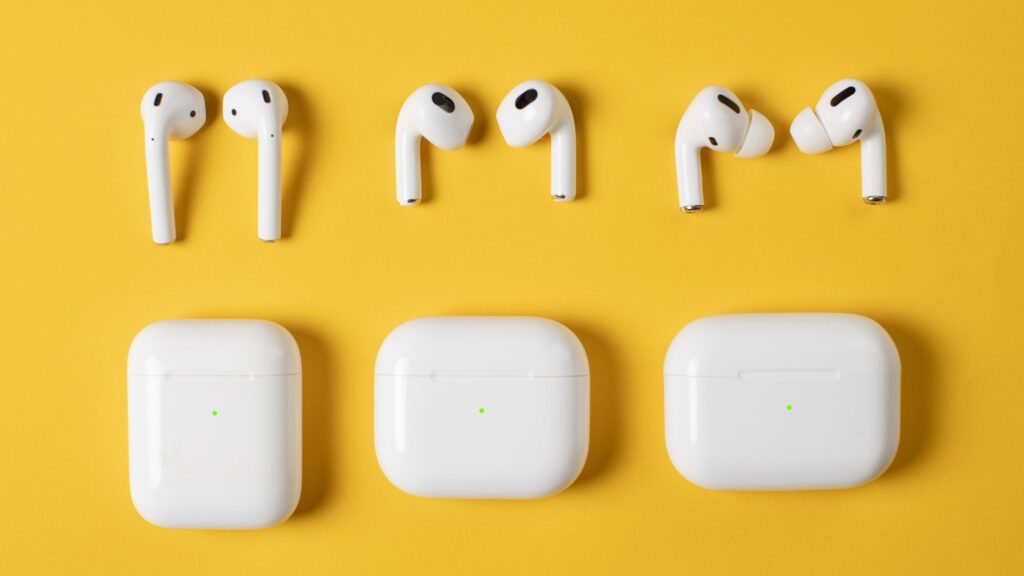
Table of Contents
The Pivot to Portability
In 2016, Apple did something that initially felt like a punchline to a joke: they removed the headphone jack from the iPhone 7 and introduced the AirPods. While the industry laughed at the ‘stems’ and the audacity of the move, they were inadvertently witnessing the birth of the True Wireless Stereo (TWS) era. What began as a polarizing design choice has evolved into a global standard, fundamentally altering how we consume audio on the go.
The shift from traditional in-ear monitors (IEMs) and wired earphones to TWS wasn’t just about convenience; it was about a total reimagining of the audio interface. By decoupling the left and right channels from a physical wire, manufacturers moved the complexity into the silicon. Today, the market is saturated with a spectrum of options, from budget-friendly ‘buds’ to high-fidelity monitors that attempt to bridge the gap between portability and studio-grade sound.
The Fidelity Trade-off
For audiophiles, the transition to wireless has been a bittersweet journey. The laws of physics remain stubborn: smaller drivers and the inherent limitations of Bluetooth compression mean that a pair of wired, open-back headphones will almost always outperform earbuds in soundstage and depth. However, the industry has pivoted toward computational audio to mask these shortcomings.
Through the aggressive use of Active Noise Cancellation (ANC) and adaptive EQ, companies like Sony, Bose, and Apple are no longer just selling speakers; they are selling software. These devices now use external microphones to sample ambient noise and generate inverse waves to cancel it out in real-time. This has transformed earbuds from simple music playback devices into essential tools for productivity and noise management in urban environments.
The Rise of the ‘Screen-on-Case’
The most recent and perhaps most baffling trend in the TWS space is the integration of touchscreens into the charging case. We’ve seen this emerge in niche brands and emerging OEMs, where the case now features a small OLED or LCD panel allowing users to toggle ANC modes, change EQ settings, or check battery percentages without opening a smartphone app.
From an editorial perspective, this raises a critical question: why? The primary value proposition of earbuds has always been frictionlessness. Forcing a user to interact with a tiny, often unresponsive screen on a plastic case feels like a step backward into the era of clunky MP3 player menus. While it provides a level of autonomy from the phone, it adds cost and potential failure points to a device that is primarily designed to be forgotten in a pocket.
The Stability Struggle
Beyond the electronics, the physical ergonomics of earbuds remain a point of contention. The industry has fragmented into three primary camps: the ‘stem’ design popularized by AirPods, the ‘bean’ or ‘bud’ style of Google Pixel Buds, and the ‘wing-tip’ designs favored by athletic brands like Jabra. Each attempts to solve the same problem—stability—but the solution remains highly subjective to the anatomy of the user’s ear.
As we move toward more integrated ecosystems, the earbud is no longer just an audio accessory; it is a biometric sensor. With the integration of heart rate monitors and temperature sensors in newer iterations, the boundary between wearable health tech and consumer audio is blurring. The question is no longer whether earbuds can match the sound of a wired setup, but how much more of our health data they can collect while we listen to a podcast.


