The Tragedy of Timing: Reassessing ‘SpaceCamp’ 40 Years After Its Flawed Debut
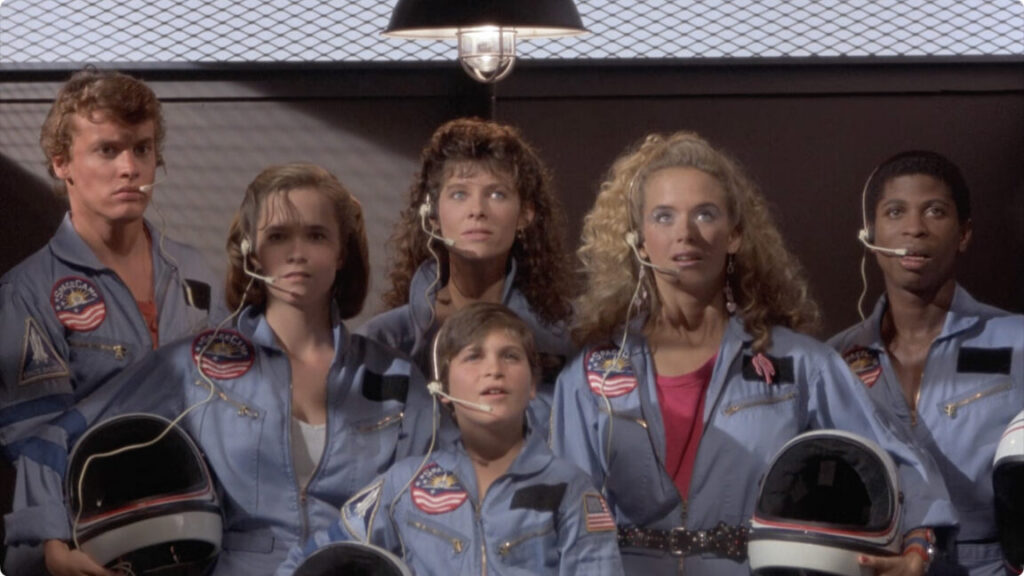
Table of Contents
A Vision of the Mundane Space Age
Forty years ago, the trajectory of human spaceflight felt poised for a radical shift. The NASA Space Shuttle was not merely a vehicle; it was marketed as a reusable bridge to the stars. The prevailing optimism of the early 1980s suggested a future where ferry flights to low Earth orbit (LEO) would become as routine as transatlantic crossings. This was an era where corporate giants like Coca-Cola and Pepsi envisioned the ‘Cola Wars’ expanding into orbit, and there were genuine, albeit eccentric, discussions about sending Sesame Street’s Big Bird into the void.
The goal was to move human spaceflight from the realm of the extraordinary to the mundane. However, that vision collided with a devastating reality on January 28, 1986. The loss of the Space Shuttle Challenger, which carried educator Christa McAuliffe, effectively ended the dream of the ‘civilian’ space age for decades. The shuttle, while a marvel of engineering, proved too complex and fragile to be the reliable bus the public had been promised. Even at its peak in 1985, the fleet managed only nine flights a year—a far cry from the weekly cadence NASA had once envisioned.
The Cinematic Casualty of 1986
It was into this atmosphere of national mourning and sudden disillusionment that 20th Century Fox released SpaceCamp on June 6, 1986. The film had all the hallmarks of a summer hit: a high-profile cast including Tom Skerritt and Kate Capshaw, sweeping score by John Williams, and extensive filming on location at NASA facilities. But the production timeline created a corporate nightmare. Completed before the Challenger disaster, the film’s lighthearted approach to kids in peril on a shuttle became a tonal disaster when released only four months after a real-life tragedy.
The financial results were telling. With a reported budget of $25 million, the film clawed back only about $9.6 million at the box office. For many, the sight of children navigating a shuttle was no longer an adventure; it was a reminder of a catastrophic failure. For years, SpaceCamp was relegated to the periphery of film history, often mocked for its ‘cheese’ and its preposterous plot points involving thermal curtain failures and malfunctioning robots.
Technical Precision vs. Narrative Absurdity
Upon a modern reassessment, SpaceCamp reveals a fascinating duality. On one hand, it is an 80s dramedy filled with technical inaccuracies that would make any orbital mechanic cringe. For instance, the film references a ‘180×33’ orbit—a trajectory that is fundamentally unstable. At a perigee of 33 miles, the shuttle would encounter severe atmospheric drag, rapidly lose energy, and essentially plummet back to Earth rather than maintaining a stable orbit.
Yet, beneath the narrative absurdity is an impressive level of attention to detail. The production didn’t treat the shuttle as a generic prop. The flight deck and mid-deck sets were built meticulously to spec, and the film captures nuances that typically escape B-movies: the correct positioning of cockpit switches, authentic uniform patches, and accurate terminology. Even the young cast, which included a very early appearance by Joaquin Phoenix, reflects a production that took itself seriously as a piece of storytelling, despite the anachronistic timing of its release.
The Legacy of the ‘Space Camp’ Dream
Today, SpaceCamp serves as a time capsule of an era that believed the stars were within reach of the average citizen. While the film is largely unavailable on streaming services, its existence highlights the gap between the idealized ‘shuttle era’ and the harsh realities of aerospace engineering. It remains a curious artifact: a movie that attempted to inspire a generation of students at the exact moment the world was reminded of the lethal risks of the frontier.


