The ‘This Is Fine’ Dog vs. Generative AI: KC Green Settles Dispute With Startup Artisan
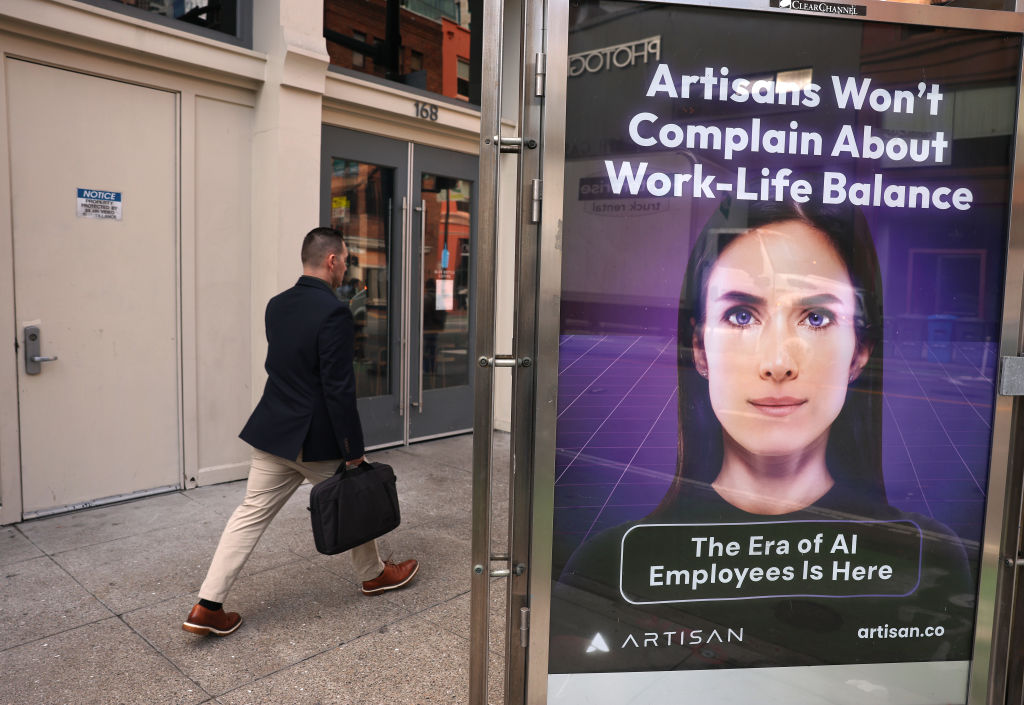
Table of Contents
A Meme’s Literal Fire
Few images have captured the collective anxiety of the digital age quite like KC Green’s “This is fine” comic. The depiction of a anthropomorphic dog calmly sipping coffee while engulfed in flames has become the universal shorthand for systemic collapse and forced optimism. But recently, the flames became literal for the artist himself when he discovered his work being used to sell a new breed of artificial intelligence.
The conflict centered on Artisan, an AI startup promoting its “Ava” AI Business Development Representative (BDR). In a series of high-visibility transit ads across New York and San Francisco, Artisan featured a version of Green’s unmistakable dog. The twist? Instead of the original caption, the dog declared, “My pipeline is on fire,” a play on sales terminology designed to attract struggling business executives to Artisan’s automated lead-generation tools.
The Friction of ‘AI Theft’
For Green, the usage wasn’t just a clever parody; it was a symptom of a broader, systemic issue regarding how AI companies treat intellectual property. Shortly after the ads appeared in subway stations and on buses, Green took to social media to voice his outrage, claiming his work had been “stolen like AI steals.” The phrasing highlights a growing tension in the creative community: the distinction between a human artist referencing another’s work for satire and a company using generative tools to mimic a specific style for commercial gain.
The reaction was visceral. Green didn’t just call for the ads to be removed; he urged his followers to “vandalize” the physical advertisements they encountered. In a statement to TechCrunch, Green expressed a deep frustration that has become common among independent creators today—the feeling that they are forced to navigate the expensive and opaque American court system to protect their livelihood rather than spending that time on their actual art.
The Settlement and the Cleanup
The resolution came surprisingly quickly. While Artisan initially responded by stating they had “a lot of respect for Green and his work,” the company moved into a settlement phase shortly thereafter. Jaspar Carmichael-Jack, founder and CEO of Artisan, confirmed that the two parties had reached an agreement to put the dispute behind them.
According to Green, the settlement was reached “pretty quick.” As part of the deal, Artisan agreed to pull the offending advertisements from New York and San Francisco transit systems. In exchange, Green removed the social media posts that had encouraged the public to target the ads.
The Broader Implication for AI Marketing
While this specific incident ended in a quiet settlement, it underscores a precarious moment for AI startups. Many of these companies are operating in a legal gray area, leveraging the “fair use” doctrine to justify the scraping of data or the imitation of established visual styles. However, when that imitation crosses into direct commercial advertising—especially when using a globally recognized IP like the “This is fine” dog—the risk of a costly copyright battle becomes a liability that most early-stage startups cannot afford.
This clash reflects a larger trend where the “move fast and break things” ethos of Silicon Valley is colliding with the rigid protections of copyright law. As AI tools like Ava become more integrated into business workflows, the companies building them are finding that the intellectual property they use to market those tools is often the very thing they are most likely to infringe upon.


