The ‘This is Fine’ Dog Just Won: KC Green Settles Copyright Dispute With AI Startup Artisan
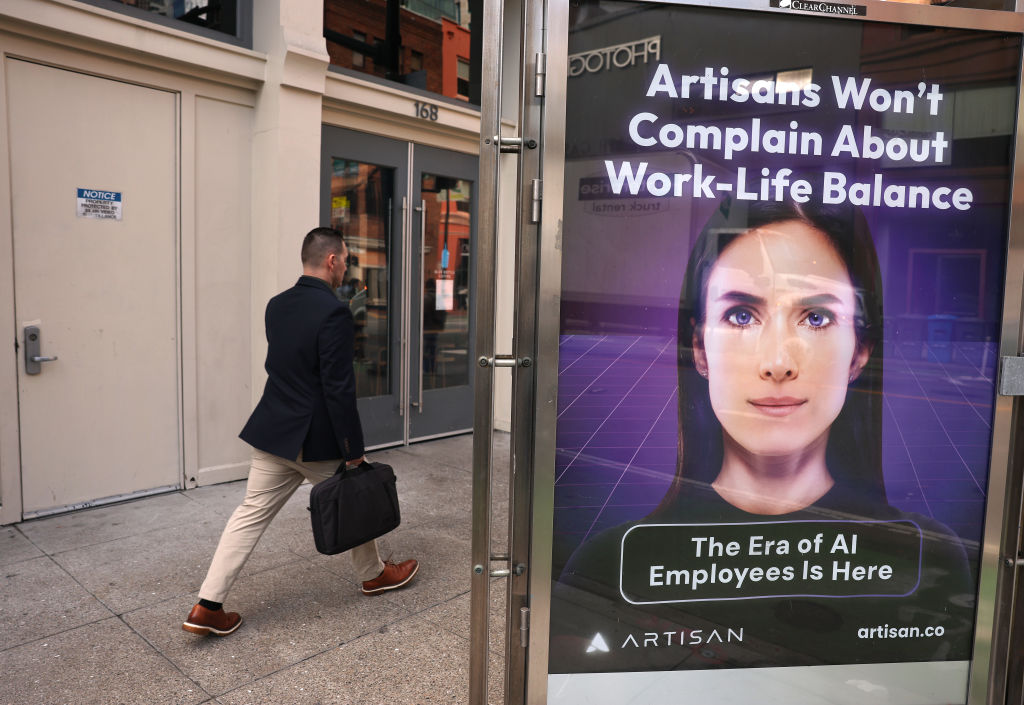
Table of Contents
A Masterclass in Corporate Irony
There is a certain poetic symmetry in the fact that KC Green, the creator of the globally recognized “This is fine” meme, found himself in a situation that mirrored his most famous work: surrounded by a metaphorical fire started by the artificial intelligence industry. The dispute, which threatened to spiral into a protracted legal battle, has ended in a swift settlement between Green and Artisan, an AI startup attempting to automate the business development role.
The friction began when commuters in New York City and San Francisco noticed a familiar sight on bus and subway advertisements. The iconic anthropomorphic dog, sitting calmly in a room engulfed in flames, was there—but the caption had been altered. Instead of the resigned “This is fine,” the dog proclaimed, “My pipeline is on fire,” a direct nod to the stressors of sales operations. The punchline of the ad was a call to action: “Hire Ava the AI BDR.”
For Green, the move wasn’t just a clever riff on internet culture; it was an unauthorized appropriation of intellectual property. In an era where generative AI models are routinely trained on scraped artist data without consent or compensation, the use of a specific, recognizable character for commercial gain felt like a continuation of a broader pattern of theft.
The Tension Between ‘Meme Culture’ and Copyright
The conflict highlights a growing tension in the digital age: the gap between how the internet consumes art as “memes” and how artists maintain their legal rights to those works. While “This is fine” has become a universal shorthand for denial in the face of catastrophe, it remains the copyrighted property of KC Green. When a corporation uses that likeness to sell a B2B software product, it crosses the line from cultural commentary into commercial infringement.
Green did not take the infringement lightly. Taking to social media, he described the act as being “stolen like AI steals,” drawing a direct line between the unauthorized ad and the systemic way Large Language Models (LLMs) and image generators ingest human creativity. In a moment of digital rebellion, Green urged his followers to “vandalize” the ads upon spotting them, reflecting the visceral frustration felt by creators who see their lifelong work reduced to “training data” or marketing fodder.
In discussions with the press, Green expressed a weariness common among independent creators facing off against venture-backed entities. He noted his frustration at the prospect of having to “try my hand at the American court system”—a process that is often prohibitively expensive and time-consuming for individual artists, while being a standard cost of doing business for startups.
The Settlement and the Fallout
The resolution came remarkably fast. Jaspar Carmichael-Jack, the founder and CEO of Artisan, stated that the company holds “a lot of respect for Green and his work.” The settlement, confirmed by Green, required Artisan to immediately pull the offending advertisements from the streets of New York and San Francisco. In exchange, Green removed his initial social media posts calling for the ads’ destruction.
While the financial terms of the settlement remain confidential, the outcome serves as a cautionary tale for AI startups. As these companies race to integrate “personality” and “cultural relevance” into their branding, there is a recurring tendency to treat the internet as a free buffet of assets. However, as the legal landscape around AI-generated content and copyright begins to solidify, the risk of “borrowing” a famous character for a quick marketing win is becoming a liability.
For Artisan, the incident was a public relations stumble in their effort to position “Ava” as a sophisticated, helpful AI assistant. For KC Green, it was a rare instance of an artist successfully pushing back against the AI-driven appropriation of his work without having to spend years in a courtroom. In the end, the fire was put out—though the broader conversation about AI and intellectual property remains very much ablaze.