The Superhero Myth: Testing Hypershell’s New Exoskeletons in the Grand Canyon
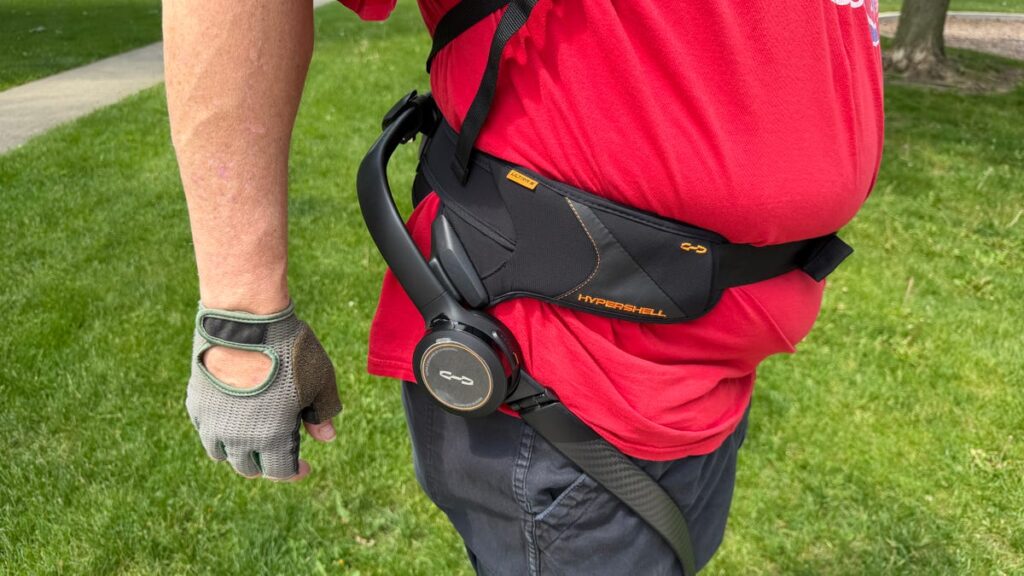
Table of Contents
Beyond the Sci-Fi Promise
The vision of wearable robotics is often painted in the colors of science fiction: effortless leaps, superhuman strength, and the total eradication of physical fatigue. But the reality of current consumer-grade exoskeletons is far more grounded. On a narrow trail within the Grand Canyon, the Hypershell X Ultra S—a $1,999 piece of wearable hardware—was put to the test to see if it could bridge the gap between a body struggling with spinal stenosis and the effortless pace of a varsity athlete.
For many, the appeal of an exoskeleton is the promise of an “upgrade.” However, as the trail steepens and the lungs burn, the distinction between a cure and a tool becomes clear. The X Ultra S does not turn the wearer into a cyborg; rather, it attempts to shift the threshold of exhaustion.
In an exclusive conversation, Angus Fan, Hypershell’s Chief Product Officer, tempered expectations regarding the device’s capabilities. “The tech will be ready eventually, but for now, we have more humble aspirations of endurance extension,” Fan noted. This distinction is critical. The device isn’t designed to replace muscle function or overcome severe disability, but to reduce the metabolic cost of movement over long distances.
The Hardware: Carbon Fiber and Constraints
The Hypershell lineup launches with three tiers: the flagship X Ultra S ($1,999), the X Max S ($1,499), and the X Pro S ($999). The hardware is surprisingly lean, weighing in at just under five pounds. To achieve this, the company utilized a combination of carbon fiber and titanium, materials chosen to ensure the device doesn’t become a burden itself.
The architecture is straightforward. A 5,000-mAh battery sits at the small of the back, powering two motor-driven arms that buckle to the thighs. These motors are designed to assist the biomechanics of a stride—making the lift of the leg feel lighter and providing an additional push during the descent. The system is designed for a range of approximately 30 kilometers (18.6 miles), with a spare battery included to extend the journey.
However, the physical design introduces immediate lifestyle trade-offs. The battery pack’s position makes sitting—or riding in a car—nearly impossible without leaning forward at a sharp angle. Furthermore, the thigh straps and structural arms effectively render front and lower cargo pockets useless, necessitating a shift in gear toward vests or upper-body storage.
Modes of Assistance and Real-World Utility
Control is handled via a Bluetooth-connected app and a physical button on the right hip. The software allows users to toggle between several distinct profiles:
- Eco and Hyper: These modes determine the level of torque and assistance provided by the motors.
- Transparent: An idle mode that keeps the machine on but removes active assistance.
- Fitness: A counter-intuitive mode that provides resistance, turning the hike into a strength-training exercise.
For a user with spinal stenosis—a condition that narrows the spinal canal and pressures nerves—the goal wasn’t speed, but stamina. While the exoskeleton provided a noticeable assist in making the legs feel “lighter,” it did not eliminate the systemic fatigue of a 270-pound frame climbing 100-foot inclines. The device functions as a supplement to existing strength, not a replacement for it.
The X Ultra S represents a significant step in making exoskeleton technology accessible and wearable outside of industrial or clinical settings. While it may not yet provide the “superpower” experience promised by early conceptual renders, it establishes a baseline for what “endurance extension” looks like in the wild. For the average hiker, it’s a luxury efficiency tool; for those with mobility challenges, it’s a promising, if imperfect, step toward reclaiming the trail.


