The ‘Super’ El Niño Warning: Why This Cycle Could Break Global Temperature Records
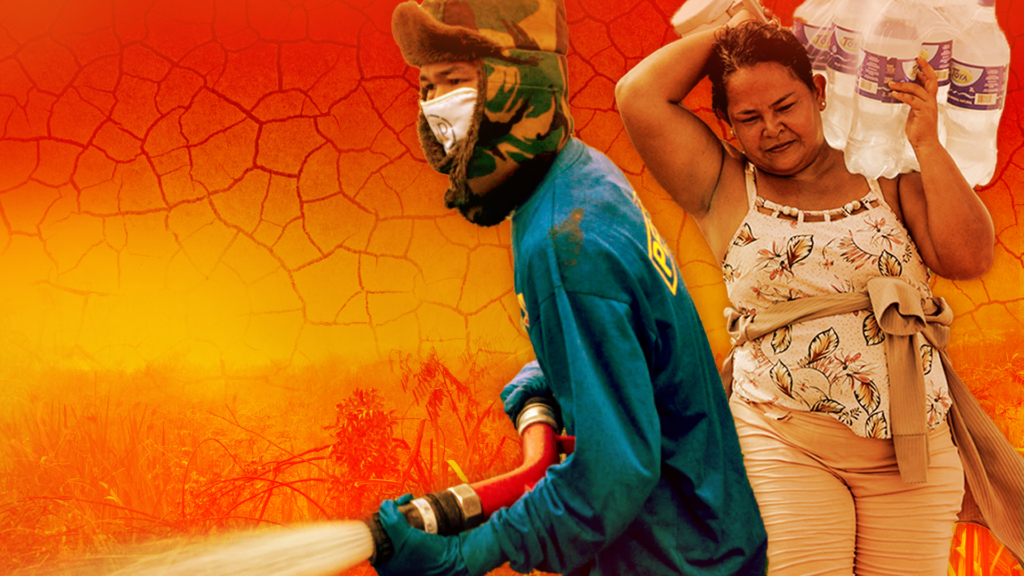
Table of Contents
A Deep-Sea Warning
The World Meteorological Organization (WMO) has issued a stark warning: a new phase of the El Niño weather pattern is not just arriving, but could be one of the most powerful in recorded history. While El Niño is a natural periodic warming of the central and eastern tropical Pacific, the current trajectory suggests a ‘super’ event—a rare phenomenon where sea surface temperatures exceed the baseline by more than two degrees Celsius.
The alarm is rooted in data from satellites, ocean floats, and buoys that have detected a massive subsurface anomaly. According to Michelle L’Heureux, a physical scientist at NOAA’s Climate Prediction Center, a wave of unusually warm water—surpassing average temperatures by more than 6°C in some regions—is migrating eastward across the Pacific. Because this heat is stored hundreds of meters deep, it acts as a thermal battery, eventually surging to the surface and heating the atmosphere above, which fundamentally disrupts global jet streams and weather patterns.
The Mechanics of a ‘Super’ Event
Predicting the exact peak of an El Niño cycle is notoriously difficult due to the volatility of wind patterns, which NOAA experts describe as the ‘biggest wildcard.’ However, the transition observed between December and April has been unmistakable. While the central Pacific remained cooler than average at the end of last year, a rapid warming trend emerged by April, signaling a systemic shift in wind patterns that allows warm water to pool off the coast of South America.
Prof Adam Scaife, head of monthly to decadal prediction at the UK Met Office, noted that the confidence in a major event is high. “It may even be a record event,” Scaife stated, referring to the potential for this cycle to surpass the historic peaks seen since 1950.
Compounding the Climate Crisis
The critical concern for climate scientists isn’t just the El Niño event itself, but the baseline it is layering upon. For the first time, a potential super El Niño is occurring on a planet already strained by decades of anthropogenic warming. Traditionally, a strong El Niño might spike global air temperatures by roughly 0.2°C, but these are temporary fluctuations on a long-term upward trend.
Zeke Hausfather of the Berkeley Earth group highlights a sobering comparison: the 1998 El Niño was an incredibly hot year for its time, but if an event of that magnitude occurred today, it would actually be considered a relatively ‘cold’ year compared to the last two decades. This suggests that the 2027 calendar year is very likely to become the warmest on record, as the natural heat spike of El Niño merges with the steady climb of global climate change.
Global Economic and Ecological Ripples
The fallout of a super El Niño is rarely confined to the Pacific. The UN Secretary-General António Guterres warned that these conditions will “pour fuel on the fire of a warming world,” accelerating disasters across borders. Historically, these events trigger a cascade of failures: severe droughts and wildfires in Australia and Southeast Asia, weakened monsoons in India, and devastating floods in the southern United States.
Beyond the weather, the economic implications are staggering. Past events have triggered spikes in global food prices as crop failures in key agricultural hubs disrupt supply chains, potentially costing the global economy hundreds of billions of dollars in lost income. While the cycle typically peaks around December, the sheer volume of deep-sea heat currently moving across the Pacific suggests that the coming year will be a critical test of global climate resilience.