The Subscription Trap: Why the ‘Everything-as-a-Service’ Model is Finally Breaking
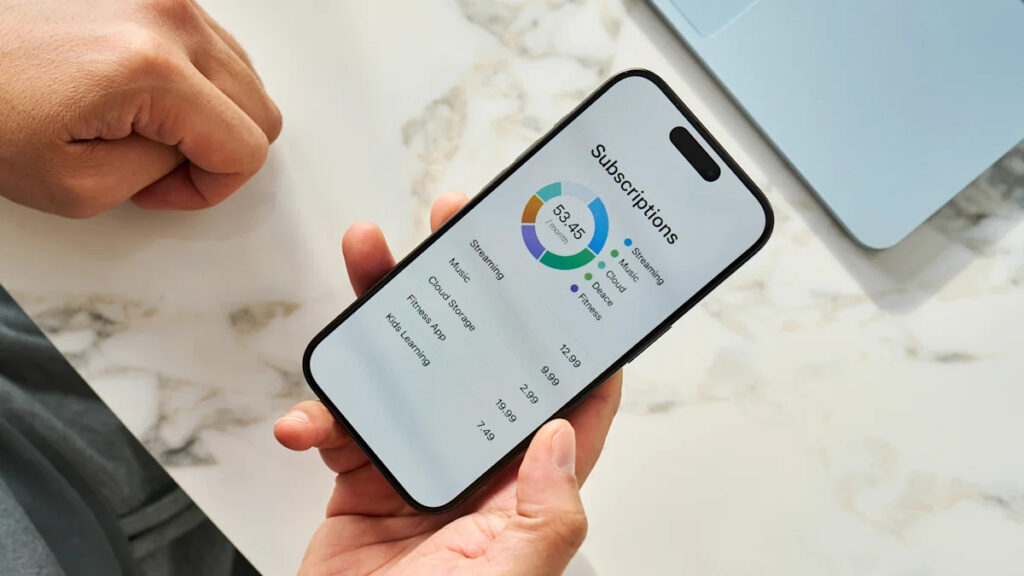
Table of Contents
The Era of Subscription Fatigue
There was a time when the shift from ownership to access felt like a victory for the consumer. We traded the physical clutter of CDs and DVDs for the streamlined convenience of Spotify and Netflix. It was a value proposition based on accessibility and cost-efficiency. However, by 2026, that convenience has morphed into a pervasive financial drain known as ‘subscription fatigue.’
The ‘Everything-as-a-Service’ (XaaS) model has expanded far beyond software. We are now seeing recurring billing for printer ink, food delivery priority, fitness tracking, and an increasingly fragmented landscape of AI assistants. When nearly every digital touchpoint requires a monthly commitment, the cumulative cost often exceeds the cable bills these services were originally designed to replace.
The Streaming Fragmentation Paradox
The promise of ‘cutting the cord’ was meant to save money. Instead, users have found themselves juggling a dizzying array of platforms—Netflix, Disney+, Max, Hulu, and a rotating cast of niche services. The irony is that as the market has matured, these platforms have pivoted back toward the very models they disrupted: introducing ad-supported tiers while simultaneously raising monthly premiums.
For the modern viewer, the only sustainable strategy is ‘subscription rotation.’ Rather than maintaining a permanent library of five or six services, savvy users are subscribing for a single month to binge a specific series and then immediately canceling. In an era where content libraries are vast but attention is finite, paying $15 a month for a service you only use once a quarter is no longer a logical expenditure.
The Hidden Costs of Convenience
Nowhere is the subscription bloat more evident than in ‘lifestyle’ apps. Food delivery platforms have transitioned from simple utilities to complex ecosystems of service fees, delivery surcharges, and monthly ‘priority’ memberships. The math has shifted; the convenience of a delivered meal is often offset by inflated menu prices that can double the cost of a standard order.
Similarly, the fitness and wellness sector has created what can only be described as a ‘data subscription’ trap. Users often pay for separate apps to track macros, sleep, heart rate variability, and running cadence. Yet, the hardware in modern wearables—from the Apple Watch to Garmin devices—now integrates the vast majority of these metrics for free. Paying a monthly fee to generate colorful graphs of data your watch already collects is a luxury few actually need.
The AI Productivity Bubble
The most recent wave of subscription pressure comes from the generative AI boom. In 2025 and 2026, the market saw an explosion of ‘Pro’ tiers for ChatGPT, Claude, and Midjourney. While these tools offer undeniable power, many users find themselves paying $20 a month for capabilities they only use for occasional drafting or basic brainstorming.
As these models become further integrated into operating systems—via Microsoft Copilot or Google Gemini—the need for standalone paid subscriptions is diminishing. We are reaching a saturation point where the incremental gain in productivity does not justify the monthly recurring cost.
Auditing the Digital Wallet
The most effective way to combat subscription creep is a hard audit of the Apple ID or Google Play subscription manager. Because these payments are automated and often small, they bypass the psychological ‘pain’ of spending. The result is a silent drain on disposable income.
The shift toward ‘lifetime’ licenses or pay-per-use models is beginning to resurface as a reaction to this fatigue. Whether it is switching to a monochrome laser printer to avoid ink subscriptions or utilizing free, ad-supported versions of software, the trend is moving away from total dependence on the recurring billing cycle.


