The Subscription Fatigue Peak: Why 2026 is the Year of the Great Digital Purge
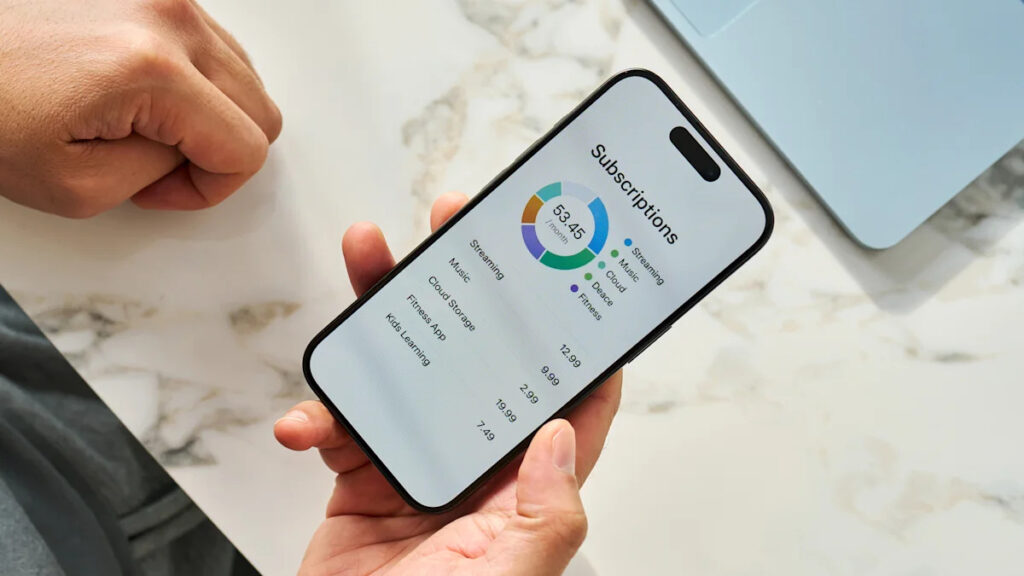
Table of Contents
The Era of the ‘Everything Subscription’ is Hitting a Wall
For the better part of a decade, the consumer tech landscape was defined by the transition from ownership to access. It began with the intuitive simplicity of swapping cable for Netflix or CDs for Spotify. But by 2026, that trajectory has reached a point of absurdity. We have entered the era of the ‘everything subscription,’ where everything from printer ink and food delivery to high-end AI productivity suites demands a recurring monthly tribute.
This shift has created a phenomenon known as subscription fatigue. When every app on a smartphone is vying for a $9.99 monthly fee, the psychological burden of managing these micro-transactions begins to outweigh the perceived value of the services. The result is a silent bleed of capital—users paying for tools they haven’t opened since the previous fiscal year, effectively funding corporate ARR (Annual Recurring Revenue) targets through sheer forgetfulness.
The Streaming Fragment and the Rise of ‘Rotation’
The promise of the ‘cord-cutting’ era was cost efficiency. In reality, consumers have simply traded one monolithic Comcast bill for a fragmented ecosystem of Netflix, Disney+, Max, Peacock, and Paramount+. The irony is that as these platforms proliferate, they have reintroduced the very thing users fled: advertising. We are now in a cycle where consumers pay a premium for the ‘privilege’ of watching commercials.
The strategic response among savvy users in 2026 is subscription rotation. Rather than maintaining a permanent digital library, users are treating streaming services like a rental store—subscribing for 30 days to binge a specific series and immediately canceling. This tactical shift forces platforms to compete on a per-month basis rather than relying on the inertia of auto-renewal.
The AI Productivity Bubble
2025 and 2026 marked the aggressive monetization of Large Language Models (LLMs). Consumers are now frequently paying for concurrent subscriptions to ChatGPT Plus, Claude Pro, and Midjourney, often for overlapping capabilities. While these tools offer genuine utility, there is a growing realization that many users are paying $20 a month simply to generate slightly more polished corporate emails.
With the integration of AI directly into operating systems—such as Apple Intelligence and Google Gemini’s deeper Android hooks—the need for standalone, paid AI subscriptions is diminishing for the average user. The ‘productivity’ promise is being subsumed by the OS, making third-party monthly fees feel redundant.
The Hidden Cost of Convenience
Nowhere is the subscription model more predatory than in the ‘convenience economy.’ Food delivery apps have evolved from simple logistics tools into complex pricing engines. Between delivery fees, service charges, and inflated menu prices, a standard meal often carries a 100% markup over the restaurant’s actual price.
Similarly, the ‘wellness’ sector has seen a surge in fragmented tracking. Users often find themselves paying for Strava, MyFitnessPal, and specialized sleep or meditation apps, only to find that their Apple Watch or Garmin device already provides the same telemetry for free. The value proposition has shifted from providing data to simply visualizing that data in a more colorful graph.
Returning to Tangible Value
The pushback against the subscription model is manifesting in a return to ‘buy-it-once’ hardware. We are seeing a resurgence in monochrome laser printers for home offices—devices that eschew the restrictive ink-subscription ecosystems of HP and Canon in favor of long-lasting toner. This is a broader trend toward digital minimalism: prioritizing tools that provide a lifetime of utility over those that require a monthly permission slip to operate.
As we move further into 2026, the market is beginning to correct. The companies that survive will be those that offer tiered, transparent value, while the ‘subscription-for-everything’ model faces a reckoning as consumers finally start auditing their Apple IDs and bank statements.


