The Subscription Fatigue Breaking Point: Why 2026 is the Year of the Great Unsubscribe
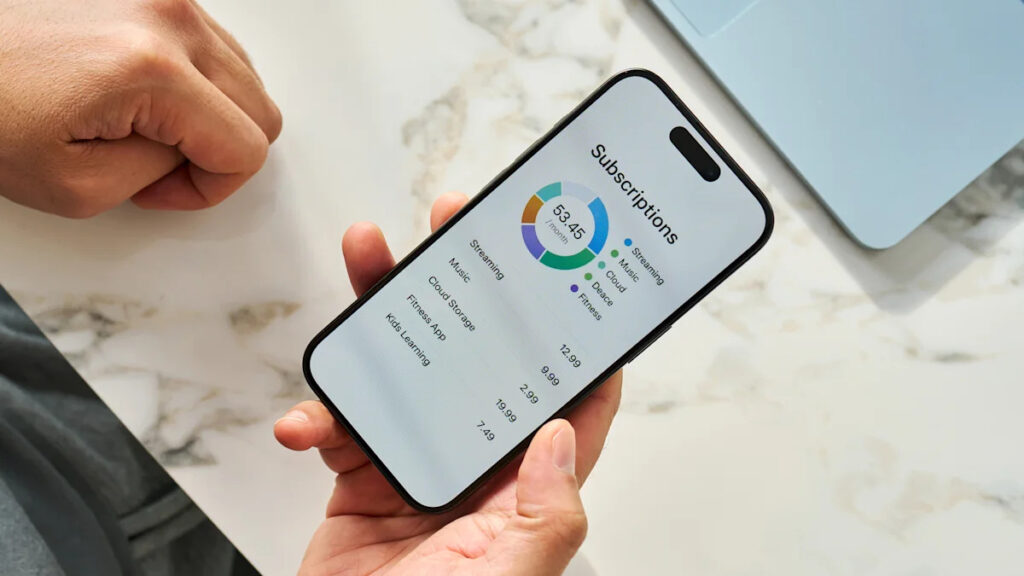
Table of Contents
The Era of the Infinite Recurring Charge
For the better part of a decade, the tech industry has been obsessed with ‘recurring revenue.’ What began as a convenient alternative to ownership—Spotify replacing CDs, Netflix replacing Blockbuster—has morphed into an aggressive economic blanket draped over nearly every digital and physical product imaginable. By 2026, the average consumer isn’t just managing a few accounts; they are managing a fragmented portfolio of micro-payments for everything from cloud storage and AI assistants to printer ink and fitness tracking.
This phenomenon, known as ‘subscription fatigue,’ has reached a critical inflection point. As companies hike prices while simultaneously introducing ad-supported tiers, the value proposition has flipped. Users are now paying more for a degraded experience, leading to a growing trend of ‘churn and burn’—where consumers subscribe for a single month to binge a specific series or project and then immediately cancel.
The Streaming Paradox: Paying for Ads
The promise of ‘cutting the cord’ was rooted in cost savings and simplicity. However, the current streaming landscape is a mirror image of the cable bundles it replaced. Juggling Netflix, Disney+, Max, and Peacock has not only recreated the expensive monthly bill but has introduced the frustration of fragmented libraries. When a single movie is spread across three different platforms, the convenience vanishes.
The smarter play for 2026 is a strategy of aggressive rotation. Rather than maintaining a year-round footprint across five platforms, users are increasingly treating streaming as a seasonal utility. If you aren’t engaging with a platform’s new content weekly, the $15 to $25 monthly fee is essentially a payment for a menu you aren’t ordering from. With the rise of FAST (Free Ad-supported Streaming Television) channels and improved hardware like modern streaming sticks, the need for a permanent multi-platform subscription is diminishing.
The AI Productivity Bubble
Between 2024 and 2026, the market was flooded with ‘AI wrappers’—apps that essentially act as a middleman for OpenAI’s GPT or Anthropic’s Claude. Many users now find themselves paying for three or four different AI subscriptions, each promising to revolutionize their workflow, yet most are used solely for drafting professional emails or summarizing documents.
As these capabilities become baked directly into the operating system level—via Apple Intelligence or Google’s Gemini integration in Android—standalone productivity AI subscriptions are losing their unique selling point. If the core utility is now a free feature of your smartphone, the $20/month premium for a third-party wrapper is a legacy expense that no longer provides marginal gain.
The ‘Health-Tech’ Tax
The wearable market has shifted toward a model where the hardware is the hook and the subscription is the product. Apps like Strava, MyFitnessPal, and various sleep trackers have evolved from simple tools into complex data ecosystems. However, for the non-professional athlete, there is a ceiling to how much ‘insight’ a colorful graph can provide.
Most modern smartwatches now provide heart-rate variability, sleep staging, and activity tracking natively. When a user is paying for a meditation app, a macro tracker, and a fitness premium service simultaneously, they are often paying for data redundancy. The trend is shifting back toward ‘lifetime’ licenses or native OS health features that don’t require a monthly tribute to keep the data flowing.
The Logistics of Convenience: Delivery and Ink
Beyond the digital realm, the ‘subscription-ification’ of physical goods has hit a wall of diminishing returns. Food delivery subscriptions, once seen as a luxury convenience, are now offset by inflated menu prices and service fees that can double the cost of a meal. Similarly, printer ink subscriptions—a notorious industry pain point—often lock users into expensive ecosystems for a task (printing) that most households perform less than once a month.
For the casual user, the shift back to transactional purchasing—buying ink when it’s empty or picking up food in person—is not just a financial choice, but a psychological one. It is a rejection of the ‘invisible drain’ on bank accounts that characterizes the current digital economy.


