The Speed Gap: How Jet-Powered Drones and Hypersonics Are Breaking Kyiv’s Air Defenses
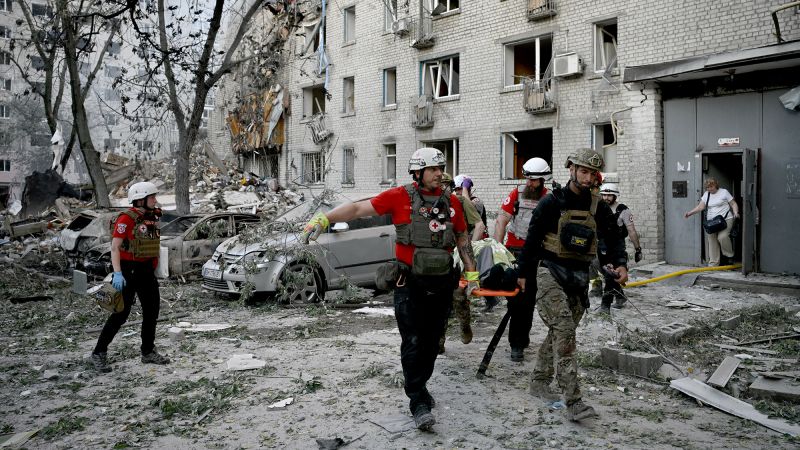
Table of Contents
A Lethal Shift in Aerial Tactics
The recent assault on Kyiv, which claimed at least 30 lives, marks a grim evolution in the technical composition of Russian aerial strikes. While Ukraine has weathered hundreds of drone and missile volleys since the start of the conflict, this specific attack stood out not just for its casualties, but for the sophisticated mix of high-velocity hardware designed to overwhelm existing interception protocols.
The primary catalyst for the increased lethality is a shift toward “speed-heavy” assets. Specifically, the deployment of jet-powered drones, such as the Geran-4 UAV, has fundamentally altered the risk profile for civilians in the capital. Unlike the slower, propeller-driven Shahed drones that Ukrainian mobile fire groups have successfully neutralized with machine guns and light anti-aircraft weaponry, the Geran-4 operates at speeds up to 500 kilometers per hour (310 mph).
This velocity renders traditional mobile defenses nearly obsolete. These drones are too fast for manually aimed fire groups and must be engaged with high-cost ground-to-air missiles or fighter jets. According to Yurii Ihnat, spokesperson for the Ukrainian Air Force, the increasing proportion of these jet-powered units in the Russian arsenal is creating a dangerous attrition cycle, forcing Ukraine to expend precious surface-to-air missiles on targets that were previously handled by cheaper, ground-based assets.
The Hypersonic Variable and the Patriot Squeeze
Beyond the drones, the attack featured a high concentration of ballistic weaponry, including the Zircon—a hypersonic cruise missile capable of land-attack and anti-ship roles. The Zircon’s flight profile mimics a ballistic missile, combining extreme speed with a trajectory that minimizes the window for detection and interception.
Currently, the Patriot missile system is the only viable defense against such high-velocity threats. However, Ukraine is facing a critical shortage of interceptors. This supply chain vulnerability has been exacerbated by geopolitical volatility in the Middle East, which diverted shipments originally earmarked for Kyiv.
The shortage has reached a level of urgency where the Ukrainian Defense Ministry is reportedly appealing to nearly 40 nations to “loan” Patriot missiles from existing stocks. Ukraine has offered to replace these diverted munitions with future deliveries already under contract, illustrating a desperate need to maintain a functional defensive shield against hypersonic threats.
Strategic Stockpiling and Civilian Targeting
Data from the Institute for the Study of War (ISW) suggests that the intensity of this strike was not accidental but the result of a deliberate stockpiling phase. After a period of relatively lower activity in June, Russia appears to have aggregated drones and missiles to execute a high-impact “saturation attack.”
The tactical goal appears twofold: first, to exhaust Ukrainian air defense inventories through sheer volume and speed, and second, to maximize civilian psychological impact. Despite the Russian Ministry of Defense claiming the targets were “military-industrial facilities,” the physical reality on the ground—including the total destruction of a 64-apartment residential building—contradicts those assertions.
The scale of the devastation was mitigated only by an early intelligence warning. An estimated 52,500 people sought refuge in the Kyiv Metro, suggesting that while the technology of the weapons is evolving to be more lethal, the effectiveness of early warning systems remains the most critical factor in saving civilian lives.