The Silksong Silence: Why Team Cherry’s Sequel Remains Gaming’s Most Anticipated Mystery
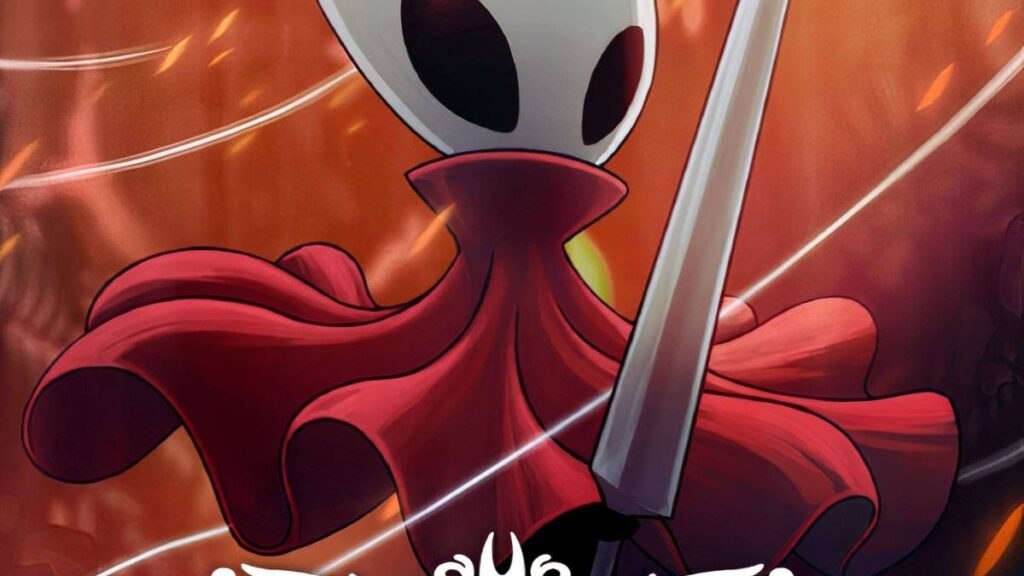
Table of Contents
The Burden of an Indie Masterpiece
In the current gaming climate, few titles carry a psychological weight quite like Hollow Knight: Silksong. What began as a modest DLC project for the original 2017 hit has evolved into a full-scale sequel that has effectively become a cultural touchstone for the ‘waiting game’ in digital entertainment. Developed by the tiny, three-person Team Cherry, the project has transitioned from a promising follow-up to a phantom, appearing in regulatory filings and storefronts but refusing to commit to a definitive release date.
The premise is a departure from the original’s descent. Players step into the role of Hornet, the lethal protector of Hallownest, who finds herself captured and transported to a completely unfamiliar kingdom ruled by silk and song. Unlike the Knight’s plodding, methodical exploration, Hornet’s movement is acrobatic and aggressive, fundamentally altering the combat rhythm of the franchise. This shift isn’t just aesthetic; it requires a total recalibration of the game’s world-geometry and enemy AI, which likely explains the extended development cycle.
Technical Scope and Platform Ambitions
The sheer scale of Silksong is what separates it from typical indie expansions. Team Cherry has teased a massive array of new abilities, a redesigned quest system, and a bestiary that dwarfs the first game’s roster. From a technical standpoint, the game is slated for a wide release across PlayStation 5, PlayStation 4, Xbox Series X|S, Xbox One, PC, and the Nintendo Switch. Interestingly, the industry has spent the last year speculating on the ‘Nintendo Switch 2,’ with many analysts suggesting Silksong could be a prime candidate for a cross-generational launch to showcase the updated hardware’s capabilities.
The game’s inclusion in the Xbox Game Pass library since its initial reveal has added another layer of complexity. While Microsoft typically pushes for timely releases to populate their subscription service, Team Cherry has remained fiercely independent, refusing to rush a product that doesn’t meet their internal benchmarks. This tension highlights a broader trend in the industry: the conflict between corporate quarterly targets and the perfectionist ethos of small-scale creators.
The ‘Soulsvania’ Influence and Market Pressure
The vacuum left by the lack of official news has birthed a new sub-genre of clones and competitors. We are seeing a surge in ‘Soulsvania’ titles on Steam—games that blend the tight, punishing combat of Sekiro with the interconnected exploration of Hollow Knight. This market pressure has only increased the scrutiny on Team Cherry. Every minor update to a Steam page or a mention in a regulatory document triggers a wave of speculation, often leading to the fabrication of fake leaks regarding DLC or early access builds.
For the average player, the wait is frustrating. For the industry, it is a case study in the dangers of ‘over-promise’—not because Team Cherry promised too much, but because the quality of the original game set a bar so high that any sequel is viewed as a potential successor to the throne of the Metroidvania genre.
As the game remains in a state of developmental limbo, the community continues to dissect every frame of the existing trailers. Whether Silksong arrives as a polished masterpiece or a cautionary tale of scope-creep, its eventual launch will be one of the most significant events in indie gaming history, testing whether a three-person team can actually deliver on the impossible expectations of a global fanbase.